
Nepal City Tours: Kathmandu, Pokhara, and Chitwan
admin
28 November, 2025
Nepal city tours let you see how people live, while soaking in culture, green spaces, or local sights. Head into three unique spots – Kathmandu, then Pokhara, followed by Chitwan. This journey matches what “Nepal city tours” means: temples, hills, animals, and real moments.
Travelers pick it since you get world heritage places, calm waters, peaks, and forest rides – all packed close. It runs smoothly when you’re pressed for time yet need a tidy setup.
Kathmandu: Culture, History, and Everyday Life
Kathmandu Valley’s packed with old temples, stupas, or palaces – a mix where history meets tradition. Kathmandu usually kicks off most Nepal trips, yet this is where things click quickly. Temples pop up everywhere, tucked yards hide secrets, while shops buzz nonstop.
Kathmandu might seem packed, yet that’s what gives it charm. Many trips to explore Nepal begin right here since no place shows the country better. Spend one solid day here exploring holy spots, ancient royal buildings, then slip into calm nooks just watching folks do their daily thing.
Key Places
Pashupatinath Temple
Travelers usually check out Pashupatinath Temple as it’s a key spot for Hindu pilgrims. Watch outdoor ceremonies, small temples, or holy men busy with routine tasks. Along the Bagmati riverbank’s where most spiritual action happens.
Boudhanath Stupa
A Tibetan Buddhist spot. People often follow the path around the stupa, hang out at roof cafes, while others see monks walking near the bottom. While Boudhanath Stupa draws crowds with its calm vibe.
Swayambhunath (Monkey Temple)
A quick walk up takes you to a stupa on top of the hill, plus wide sights across town. These monkeys move around freely, so keep an eye out for them.
Kathmandu Durbar Square
A historic palace spot filled with shrines and open yards. Near the Kumari House, Taleju Temple, and museum, you get a real feel for how things used to be. Kathmandu Durbar Square rounds it up, full of old charm and history – all these places are tagged by UNESCO.
Pashupatinath Temple sits by the river, while Boudhanath Stupa rises with quiet strength. Swayambhunath watches from a hilltop, its eyes open wide. The squares of Kathmandu, Patan, and Bhaktapur hold ancient palaces. Newar hands shaped these bricks, crafting symmetry without words.
Wander through tight lanes where tiny stores pop up. It’s great if you’re after handmade stuff or tasty bites from the region. These spots give a real feel of daily life, without the typical touristy buzz.
Other Strong Stops
- Patan Durbar Square for Newar architecture
- Ason and Indra Chowk for markets
- Garden of Dreams, if you need peace after all that chaos
What You Can Do
– Take a local food walk around Ason
– Join a pottery session in Bhaktapur
– Visit museums at Hanuman Dhoka and Patan
– Browse handicraft shops at Thamel and Lalitpur
Pokhara: Lakes, Views, and Calm
Pokhara fits right when you’re done with Kathmandu. It’s calmer, full of wide areas and sights that just hit your eyes without effort. Pokhara lies next to a lake, tucked under the Himalayas. Water blends with rolling hills, hidden caves. Pokhara works as a starting spot for treks, yet quick visits still make sense if hiking isn’t on your list.
Key Places
Phewa Lake
The usual starting spot for many. A boat ride leads straight to the Peace Pagoda route, while others prefer strolling along the shore instead, or walking by the water, or just chill out.
Davis Falls and Gupteshwor Cave
They’re close by. As you move ahead, a series of caves leads straight into an area full of falling water. Gupteshwor hides deeper underground with narrow paths leading through. Devi’s Fall thunders nearby, where the river vanishes into rock. Each spot blends nature’s force with quiet beauty.
World Peace Pagoda
A quick walk offering broad views of the Annapurna peaks. Try going at dawn or, if not, then by late evening light.
Sarangkot Viewpoint
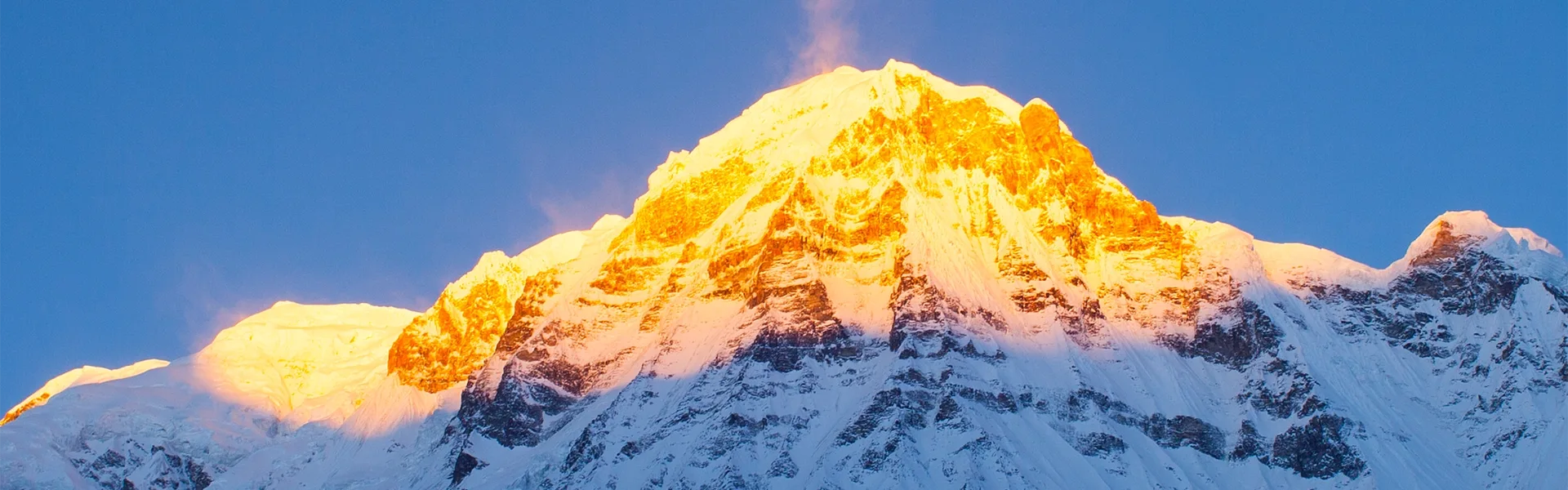
Sarangkot gives a clear look at the Himalayas, lighting up at dawn. Also shows off the valley below, while mountains stretch out in every direction. Worth waking up early for. When skies are clear, Annapurna shows up, also Machhapuchhre, then Dhaulagiri if you’re lucky.
International Mountain Museum
Worth checking out when you’re into mountain climbing stories, nearby villages, or how the Himalayas are shaped.
Outdoorsy stuff, plus adventures like kayaking or brief walks, are part of plenty of trip deals. Some trips also include laid-back exploring instead.
What You Can Do
- Paragliding from Sarangkot
- Floating by boat across the water – also try paddling a kayak when it’s calm
- Short hikes to Peace Pagoda or Kaskikot
- Yoga plus relaxation sessions
- Evening strolls around Lakeside
Chitwan: Jungle, Wildlife, and Village Life
Chitwan National Park feels nothing like city life or the mountains. Many trips to Nepal mix jungle hikes with paddling on rivers instead of roads. Travelers often meet locals through lively Tharu events rather than typical tourist shows.
Key Places
Chitwan National Park
This is the place to head if you’re after wild animals. You’ll often spot rhinos, deer, or crocodiles, sometimes birds too. Seeing a tiger isn’t usual, yet it might happen. Chitwan National Park, Nepal’s first protected area, holds UNESCO recognition. Its mix of dense woods, wild rivers, and open grasslands feels nothing like urban routines or mountain trails.
Wildlife plus greenery grabs attention here. Rhinos roam near deer while crocodiles hide in waterways alongside many bird types among thick plants. Jungle plus wild creatures – the reserve’s got safaris, spotting birds, trips on the river, hikes through trees. You’ll see deer or rhinos, maybe feathered types, who knows what else shows up based on timing and chance.
Tharu Village Areas
You get to see old-style houses, farm gadgets, also how people live together. A lot of visits come with a local dance show at night instead.
Cultural experiences plus time in rural villages. Lots of tours offer stops at native community settlements, often smaller tribal groups, while including live heritage shows. These moments reveal everyday customs close to the park area.
Chitwan moves at a gentler rhythm. Cultural village trips let you meet people from local tribes, taste homegrown dishes, and enjoy live folk tunes or dances. These experiences feel unique when stacked against urban getaways or hillside escapes.
What You Can Do
-
- Jeep ride through the wild reserve
- Canoeing along the Rapti River
- Birdwatching walks
- Head over to the elephant nursery
- Sunset gazing near the water’s edge
Multi-City Itinerary
Day 1 – Arrival in Kathmandu
You will be received from the Tribhuvan International Airport and dropped straight to your hotel. When there’s enough time, walk through downtown spots – like narrow lanes, busy bazaars, or small eateries nearby. We’ll spend the night in Kathmandu.
Day 2 – Full Kathmandu Sightseeing
Check out Pashupatinath, then head to Swayambhunath – both are must-sees. Move on to Boudhanath, followed by Kathmandu Durbar Square. If there’s room in your day, swing by Patan or Bhaktapur. Soak up the design details, spiritual vibe, and nearby bazaars along the way. Spend the night back in Kathmandu.
Day 3 – Travel to Pokhara
Start off early by car or plane to Pokhara. Traveling by road reveals shifting landscapes – rolling hills, flowing rivers, lush valleys. Arrive and check into your place. Take a relaxed stroll near the lake later, or just chill out. Spend the night in Pokhara.
Day 4 – Explore Pokhara
Sunrise trek up to Sarangkot – see peaks and valleys glowing. Then head over to Phewa Lake, take a slow boat out on the water. Check out hidden spots nearby: maybe Mahendra Cave, or slip into Gupteshwor, also see where the river vanishes at Devi’s Fall. Chill later when the light fades. Sleep in Pokhara under quiet skies.
Day 5 – Pokhara to Chitwan
Once you’ve eaten, head off toward Chitwan – the route follows Mugling and the Narayani-Trishuli rivers. When you get there, settle into your place, clean up a bit. Later in the day, take a stroll through the nearby village. Stick around for a live performance shaped by native traditions, maybe Tharu customs. Sleep tight in Chitkan that night.
Day 6 – Jungle Safari & River / Wildlife Activities in Chitwan
Jungle trek by jeep or foot, maybe spot wildlife up close. A boat trip along the river could show crocodiles or birds flying around. Keep an eye out for feathers if that’s your thing. You might swing by a hatchery or stop at a community-led nature post. Chill later at a cabin near the trees. Sleep tight in Chitwan.
Day 7 – Return / Departure
Once you’ve eaten, head back to Kathmandu or make your way to the airport – depends on your timing. If there’s a gap, maybe check out some local shops, either downtown or in Thamel. That wraps it up.
What This Package Typically Includes
Once booked via travel agencies, several deals include pickup from the airport, private rides across towns, and stays at lodgings usually around 3 stars or average level. Food, particularly in Chitwan, where full meal plans are also included.
Tours typically feature walkthroughs led by guides in Kathmandu plus wild zones, entry charges for parks in Chitwan come covered too, alongside various things to do like safaris, boat trips, exploring caves, or watching local performances.
You might have to pay for extra activities. If they’re available, or meals, small costs on your own, giving staff a little extra cash, or short outings that aren’t part of the main trip.
What to Expect
- You’ll find three totally different scenes – city life and culture in Kathmandu, mountain views with lakes in Pokhara, or wild forests full of animals at Chitwan. Get a taste of the entire country on just one journey.
- Take it steady – no hurry, no lag. See spots while enjoying greenery along with downtime.
- Look at Nepal’s mix of cultures – faiths, buildings, ways different groups live.
Things to Note
- Getting from one spot to another might take ages – driving eats up hours. Flying cuts down travel time, yet it’s pricier.
- Weather or time of year changes what you see – like how clear the mountains are or how thick the jungle gets.
- Spotting animals in Chitwan? It’s down to chance, time of year, also how much you’re willing to wait – nothing’s certain.
- If you’re after fancy or top-tier places, deals might have to be tweaked.
Accommodation
- Kathmandu: Thamel, Lazimpat, and Patan work best
- Pokhara: Lakeside puts you close to all key spots
- Chitwan: Sauraha has the most lodges
Weather and Best Time
Spring or autumn brings the clearest skies. On winter mornings, Chitwan often gets fogged in. During summer, rain shows up along with leeches deep in the jungle.
Local Experiences
Short trips around town might seem more interesting if you include some neighborhood spots.
Markets
- Ason and Mangalbazaar in Kathmandu
- Lakeside markets in Pokhara
- Sauraha craft shops in Chitwan
Food
- Dal bhat, momo, thukpa
- Newari food, like bara, choila, or even yomari
- Fresh lakefront cafes in Pokhara
- Local Tharu meals in Chitwan
Festivals
If your trip lines up with local celebrations, you’ll catch a whole new vibe from the place. During Dashain or Tihar, city life gets livelier – Indra Jatra brings street energy, whereas Teej adds its own rhythm.
Conclusion
Nepal city tours show how much the country changes in only a few days. Kathmandu offers tradition and history. Meanwhile, Pokhara brings peace along with wide horizons. On the flip side, Chitwan serves up wild animals and nature. Together, they fit perfectly when it’s your first trip, and you’re after variety without stress.
Suggested Social Media Captions
- Explore Nepal’s towns – Kathmandu, Pokhara, also Chitwan are ready.
- See the Himalayas, then uncover hidden gems in Nepal’s towns – go on a city trip.
- Start mapping your ideal trip across Nepal’s cities now – build it step by step, pick spots you love, then go explore.
- Temples dot the hills. Lakes shimmer below. Wildlife stirs at dawn – this is Nepal’s city trip in full swing.
- Explore heritage, thrill, or wildlife around Nepal’s main towns.
FAQs
Q1: What’s the best number of days for exploring cities in Nepal?
Around 5 to 7 days works fine – cover Kathmandu, then head to Pokhara, followed by Chitwan at a relaxed pace.
Q2: Should you get someone to show you around town?
That makes a difference. Because you see how things fit together at sacred sites, exhibits, or local spots.
Q3: When’s the top time to see Nepal’s towns?
Spring runs from March to May – then comes autumn, stretching through September till November.
Q4: Can city tours include adventure activities?
Yep. Pokhara’s got paragliding – also quick treks, zipline rides, or boat trips on the lake.
Q5: Can you move from one city to another without hassle?
Right. Take a plane or hop on a tour bus, maybe drive yourself.
Table of Contents
- Kathmandu: Culture, History, and Everyday Life
- Pokhara: Lakes, Views, and Calm
- Chitwan: Jungle, Wildlife, and Village Life
- Multi-City Itinerary
- What This Package Typically Includes
- What to Expect
- Things to Note
- Accommodation
- Weather and Best Time
- Local Experiences
- Markets
- Food
- Festivals
- Conclusion
- Suggested Social Media Captions
- FAQs


