
Things to do in Pokhara
Greenhub
19 June, 2026
Pokhara serves as the point where Nepal slows its fast pace to display its beauty. The snow-covered mountains rise above the peaceful lakes while the prayer flags wave in the wind and adventurers share cafés with hikers who just completed their trek. To me, the bustling city by the lake offers a unique mix of relaxation and culture that is hard to find elsewhere.
We are keen at Prime Holidays Travel and Tour to aid in offering tourists the true Pokhara experience. Be it mountaintop views, religious sites, or heart-dropping adventures – this guide tells you all there is to know about the best things to do in Pokhara while providing practical tips and insights to help you plan better.
Why Visit Pokhara?
Pokhara, Nepal’s adventure capital, is located about 200 km to the west of Kathmandu, which has come to be one of the most-loved destinations in the country. The city lies next to tranquil Phewa Lake which is surrounded by the majestic Annapurna mountain range. On days with clear weather Machhapuchhre which people call Fishtail Mountain appears to be within reach.
The special quality of Pokhara comes from its diverse offerings. The day allows you to witness Himalayan sunrise at dawn while you paraglide through the sky, visit holy caves and spend your evening at the lake doing boating activities.
Explore the Best Sightseeing Spots in Pokhara
Phewa Lake
Phewa Lake serves as the main attraction of Pokhara. The early morning hours bring peacefulness to the city, but the evening hours create a vibrant atmosphere at the lakeside. The Annapurna range creates an unforgettable experience when its reflection appears on clear days.
The wooden boat rental allows customers to choose between paddling themselves or hiring a boatman whom they can request to take them around at a comfortable speed. Boaters receive life jackets and pay budget-friendly boating fees. The optimal time for boating activities occurs during early morning and late afternoon hours because of softer light and better visibility.
Tal Barahi Temple
Tal Barahi Temple is situated in the middle of the Phewa Lake, a two-storied shrine in the pagoda style devoted to the Goddess Barahi. The place can be reached by boat in less than 10 minutes. It is a place that has religious importance and yet is soothing and peaceful.
Davis Falls
Davis Falls which people in the area call Patale Chhango delivers its strongest water power through a hidden underground tunnel. The waterfall reaches its peak beauty during monsoon season when water flow increases to its highest levels.
Gupteshwor Mahadev Cave
The sacred cave of Gupteshwor Mahadev Cave which contains a Shiva lingam stands opposite Davis Falls. The underground space of the cave contains waterfall sounds which become audible to visitors who go further into the cave.
World Peace Pagoda
The World Peace Pagoda is perched atop a hill with splendid views of Pokhara Valley, Phewa Lake, and the Annapurna range. One of the ways of getting to the top is walking uphill, by car, or by boat-briefly walking uphill.
International Mountain Museum
The International Mountain Museum is a must-visit for those willing to gain an insight into the mountain climbing tradition of Nepal . The display exhibits the stories of climbers, Himalayan culture, and the geography of the world’s highest peaks.
Bindhyabasini Temple and Seti River Gorge
The Bindhyabasini Temple is one of Pokhara’s oldest temples – the temple offers a cultural experience which is completely different to the noisy Lakeside. On the other hand, one of the most pleasantly surprising nature sites can be experienced along the Seti River Gorge.
Catch the Sunrise and Mountain Views from Sarangkot
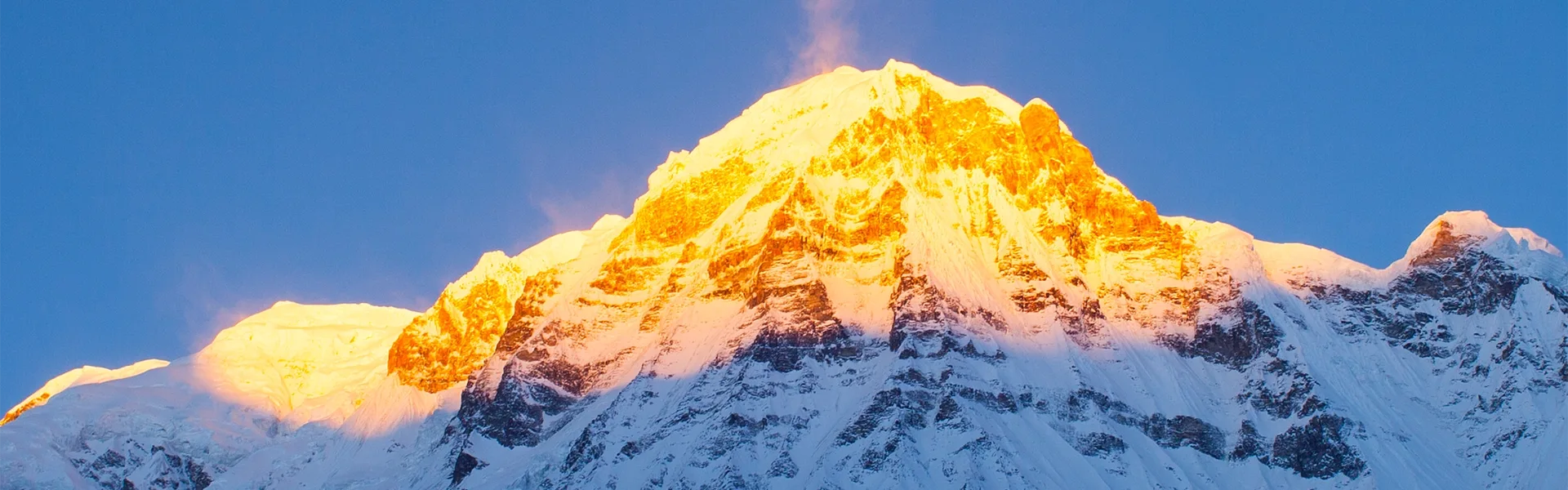
It is known that Sarangkot is renowned for its early morning views: as the day breaks, the crisp light slowly spreads over the Annapurna and Dhaulagiri ranges. Machhapuchhre stands tall and sharp against the golden light.
The two available options for reaching the top include driving up in the early morning hour or using the cable car which provides a more comfortable journey. October thru April generally gives the best mountain visibility with the weather staying clear.
Ride the Sarangkot Cable Car
The Sarangkot Cable Car has made accessing the viewpoint easier and more comfortable. The ride itself provides complete panoramic views which show the valley, the lake and the mountains. It could really be helpful to those who dread getting up early and hiking.
Go Paragliding Over Pokhara
Pokhara is one of the world’s best sites, for paragliding. Flights commonly take off from Sarangkot and touch down within the perimeters of Phewa Lake. While gliding through the sky, you can see terraced fields, villages, the lake below, and the distant snowy peaks.
Dedicated certified pilots together with licensed operators maintain all safety requirements throughout their work operations. Tandem flights are available, so no prior experience is needed.
Experience a Hot Air Balloon Ride
Hot air ballooning is a newer but increasingly popular activity in Pokhara. The ride provides a peaceful experience which allows passengers to travel through the valley while viewing the Annapurna range and Phewa Lake without any visual obstacles.
Airlines operate their flights during two specific times of the day which are early morning and late afternoon because winds remain calm during those periods. The activity provides a tranquil experience which stands in contrast to more intense adventure sports.
Take an Ultralight Flight
An ultralight flight provides an extraordinary way to see the Himalayas from up close. The tiny planes operating from Pokhara Airport provide aerial views of Machhapuchhre and its neighboring mountains as they travel towards the Annapurna mountain range.
Flights depend on weather conditions and the aircraft can only operate during clear weather in the morning. The location offers a rare opportunity to approach mountain ranges by flying in a small aircraft.
Plan a Day Trip to Kusma
Beyond bungee jumping, Kusma is also renowned for its several incredibly long suspension bridges in Nepal. The high bridges provide extensive views of the rivers and hills that exist below the bridges.
The drive from Pokhara to Kusma takes around two hours which makes it an ideal day trip for adventure lovers.
Try Bungee Jumping in Kusma
Kusma provides essential experiences for dedicated thrill seekers who want to test their limits. Two hours of driving from Pokhara leads to Kusma which offers visitors access to one of Nepal’s highest bungee jumping locations. A bungee jump is done from a suspension bridge which towers over a deep and scary gorge, making the whole experience dramatic and nerve-destroying.
The operation is managed by professional crews who use appropriate safety equipment according to established guidelines. People should explore the suspension bridges and surrounding landscapes even if they do not intend to jump.
Best Time to Visit Pokhara
The period from October to April is widely deemed the best time to visit Pokhara, as the weather is typically ideal with clear skies and best visibility of the mountains.
Spring brings blooming rhododendrons and pleasant temperatures. The monsoon season, which extends from June through September creates a green and lush landscape, but clouds will obstruct mountain views.
Practical Travel Tips
- Pokhara can be reached through road or through a brief domestic flight which connects it to Kathmandu.
- To explore the area properly visitors should schedule two to three days of time.
- The safety of adventure activities requires customers to book their activities through certified operators.
- The best time for sunrise viewing and mountain activities begins at dawn because morning weather conditions are typically better than other times of the day.
Discover Pokhara with Prime Holiday Travel and Tour
Pokhara provides visitors with diverse attractions that match their specific travel needs. You can spend your day peacefully by walking along the lakeside and visiting temples or you can choose to experience paragliding, ultralight flights and bungee jumping at Kusma. The combination of nature and cultural elements together with adventure activities creates a permanent memory at this destination.
At Prime Holiday Travel and Tour, we design experiences that help you make the most of your time in Pokhara. Whether you want a relaxed escape or an action-packed tour, we are here to escort you into the adventure with utmost comfort.
Table of Contents


