

Difficulty
Easy

Duration
1 Day

Best Time
Spring and Autumn

Phulchowki stands as the tallest hill near Kathmandu Valley. Hiking here gives you space to breathe away from urban noise. The path mostly winds through dense woods, making things feel peaceful almost immediately. Tall trees arch overhead while you move along; now and then, Small shrines appear quietly in places where sounds quickly disappear. Bird calls mix with your steps; nothing else breaks the quiet much. This hike fits anyone who’d rather have stillness than busy lookout points.
The woods stay thick through nearly the whole hike. Cool shadows and quiet dirt paths suit some walkers just fine, yet others feel boxed in since views stay hidden till near the summit. The hill keeps going nonstop, which can feel tiring if you’re not used to walking uphill for hours so it’s best for people who enjoy a full day hike. Birdwatchers usually visit this ridge early, especially at sunrise, but what you see depends on the time and luck.
The morning kicks off with an easy pickup from your place. Right after eating, your guide along with the driver swing by the hotel to pick you and head out to Godavari , where the hiking officially begins. Lunch might be eaten by the side of the road in a simple place or from a bag (packed lunch), depending on what’s available.
The hike goes on past noon till the trail widens up close to the peak. Once you reach the top, hang around awhile before heading back either the way you came or by another track. Your ride shows up at the set meeting point and takes you straight to your hotel. Typically, the full-day hike on near places from Kathmandu deal covers a personal vehicle, a local guide, midday meal, drinks, and any tickets or fees that might come up.
Godawari Botanical Garden area:
This is right at the start of the path. Though you might skip the garden, the nearby spots still seem peaceful and full of plants. A lot of visitors find it a nice place to begin.
Forest trail:
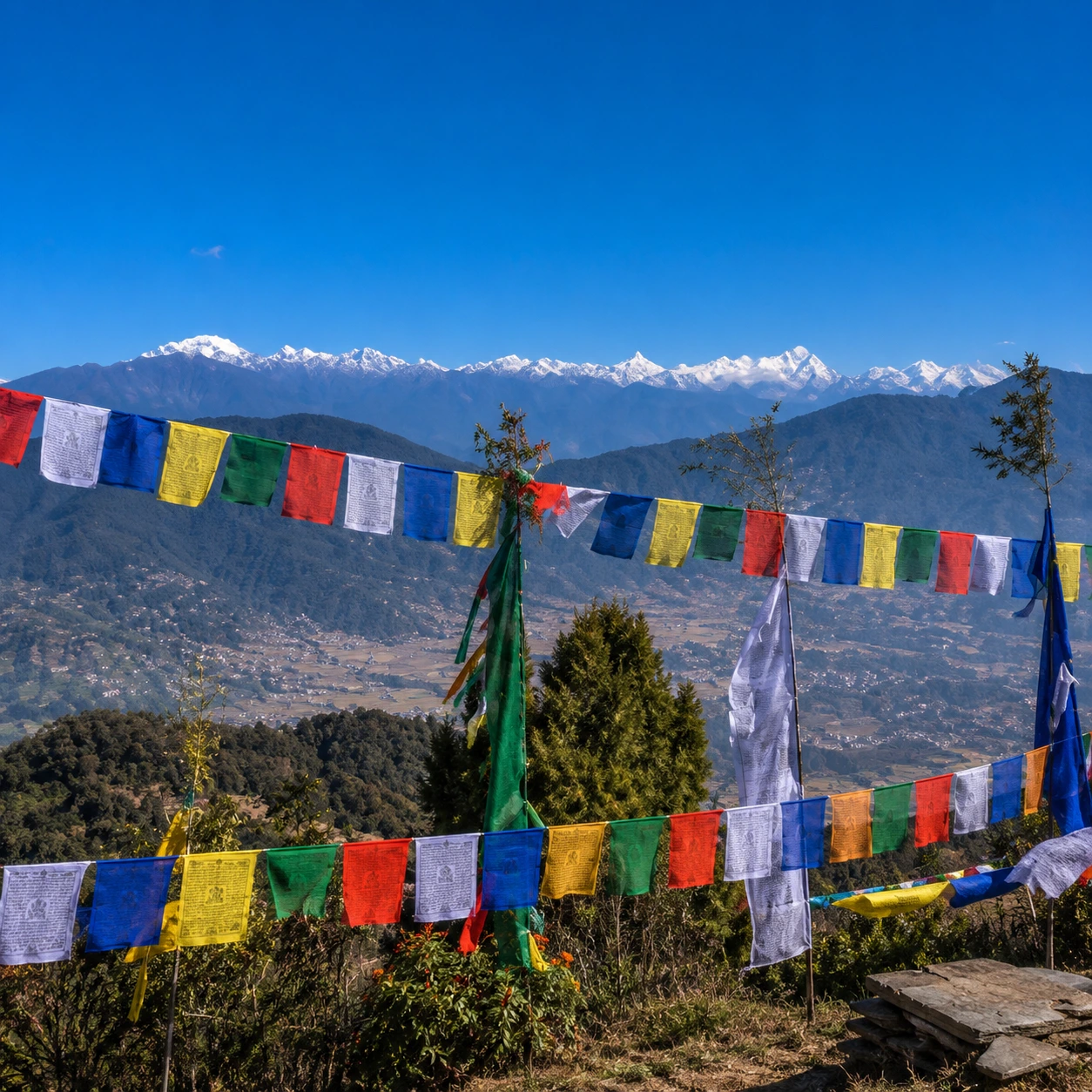
The thick woods covering most of the trail shape how this walk feels. As you go, you’ll see little shrines, fluttering prayer flags, or quiet places nearby. Each one splits up the uphill stretch while offering a spot to catch your breath.
Look out over the valley from the top:
When it’s clear, you see far across the valley and out to the hills. If clouds roll in, things get foggy, so when you go really matters.
Radio tower up above:
The peak’s marked by a tower, plain, nothing pretty, yet proof you made it to the top.
Bird sightings:
Phulchowki is famous for birds. A few hikers catch glimpses of types they’ve never spotted, though what you see changes now and then
Forest isolation:.
Certain stretches along the trail seem worlds away from urban life, although the ridge sits pretty close to central Kathmandu.
Phulchowki takes up your whole day. Most people hike for around six or seven hours. The speed, rest stops, and sky conditions change that number. Thick woods make the path tougher since it’s uphill nonstop. You’ll get to Godawari fast by car from the lodge, which helps keep things doable despite the hike. Hikers typically roll like this: take the ride early, push hard upward, eat mid-climb, chill at the peak, then wander down gently to where they started.
This hike feels tough mostly due to how long the climb lasts. Even though the incline isn’t steep, it just goes up almost the whole time. Those familiar with climbing hills tend to get through it fine. New hikers might give it a shot although they’d better expect a slow, constant rise with few wide vistas. The thick woods might seem endless, making your mind tire quicker. Going downhill feels simpler, however slowing down prevents knee strain. A steady rhythm keeps you from feeling stiff afterward.
The dry stretch in fall and winter gives you the easiest going. With steady steps on the trail and fresher air, you’re more likely to see wide views at the top. Try spring if you like greener woods and mild weather instead. When monsoon hits, constant downpours make trails slick thus, hiking then means watching every step. If clear skies matter to you, set out at first light, given that clouds tend to roll in as hours pass.
Get going at first light. Mornings bring sharper views since clouds haven’t rolled in yet. Fuel up with breakfast at your lodge as you’re going to walk for couple of hours at first and if you skip it, you’ll regret later. Paths offer almost no snacks, meaning hunger hits fast if you rush out empty. Loosen up a little before heading up. Basic moves at the start get your muscles ready, so you can cope with the steady rise ahead.
Keep a smooth pace while sipping water now and then, thirst isn’t the best timer. Pause briefly if you start feeling tired or off. Store small items in your backpack to avoid losing them along the path. If you’ve got trekking poles, bring them along.
Phulchowki stands apart from the crowded trails around Kathmandu. The quietness begins to create the feeling of the place. Walk slowly for hours, then finish the hike tired but content.
Phulchowki means walking up all the time, so small smart choices help keep things safe and smooth. Move slowly, something you could do nonstop for hours without getting wiped out. Going hard at first leaves you drained when trails get steep near the end. Leaves pile up under trees, making surfaces slippery so pay attention where you step, particularly during descent. When soil feels wet, shorten your stride to stay balanced.
Bring plenty of water as there aren’t many spots to refill. Watch how the weather shifts, clouds might show up out of nowhere, making the path slick when wet. Stick close to your guide instead of veering onto smaller trails into the woods. Should you see animals, hold back and remain relaxed.
Phone signal may disappear in some areas so tell your guide if you feel dizzy, tired, or unwell.
Getting there is easy. Most people begin in Godawari, located at the bottom of the hill. That’s roughly sixty minutes by car from downtown Kathmandu, although depends highly on traffic. If you book a trek with a guide, they’ll pick you from your place. You’re driven straight to where the path begins, while the guide sorts out what comes next.
If you plan to do your own, catch a local bus or rent a taxi to get to Godawari, but it’s easier when you go with a guide. Paths split off now and then through the woods, so someone who knows the way helps you stay on course.
The Phulchoki Hike gives you a slow climb through dense woods. It is great if you like moving nonstop for hours. As you go up, the trees close in, making it feel peaceful, almost hidden from everything else. When the sky’s clear, reaching the peak means sweeping sights across the valley and far-off ridges. And that is the moment where the grind totally pays off.
The woods are definitely a top part of the experience. Moving along, you’ll see different trees, tiny green plants, or damp logs covered in moss. Lots of bird lovers come here, looking for local ones but what you find really depends on when you go. Unlike many trails near Kathmandu, this one’s usually calm with fewer people around. It begins just outside town, while pickup and return from your place cuts down hassle, especially if time’s short.
You start the morning with a meal at the hotel. Soon after, your guide and driver show up, getting things sorted takes just minutes. Heading toward Godawari or wherever you picked is smooth and doesn’t take long. When you hit the starting spot, the guide runs through basic info, checks your gear real fast, then off you go walking.
The path slips into the trees real quick. Moving at a relaxed rhythm because uphill begins from the start. The leader adjusts the walking speed to fit how everyone feels. Pauses happen when people need them, particularly where inclines drag on.
Once you’ve walked a few hours, you’ll take a break for food. Since there aren’t many spots to grab something, you might sit at a basic rest area or have what you brought along. This pause lets your legs recover before heading up again.
Later on, hiking carries on along woodland paths a lot like before. Near the peak, the path gets a bit broader, wider and more spacious. Up top, there’s time to chill, snap pics, check views from every angle. When it’s go-time, heading down starts – same way back or maybe a different track picked by the leader. Going down is quicker, sure, though tricky spots need steady steps where roots and rocks twist underfoot.
You get to the meeting spot where the driver’s already there. On the way back to your place, you can finally unwind since that hike took it out of you.

Note:
If you have a private group and prefer a personalized experience, we can organize a custom trip tailored to your requirements and group size, running it any day you choose.
Difficulty
Easy
Duration
1 Day
Best Time
Spring and Autumn
Around six or seven hours is common. It changes based on speed, also where you stop along the way.
It’s not steep, yet it keeps rising for hours. Those who pause now and then get through fine.
Not many. Bring snacks, and some spare water, also whatever else you could want.
Yes, though they’d better brace for a steady climb. Moving at a slower pace while pausing now and then makes it way easier.
Yes. When it’s overcast, you can’t see much from up there while rainy season turns the path into a slick, sloppy mess.
Yes. Many people use that path, and going with someone who knows it keeps you safe while pointing the way.
Go for comfy shoes that suit strolling, bring something to block the sun, wear thin clothes you can pile on, bring a small bag, also pack whatever personal stuff you usually want when walking far.