

Difficulty
Easy

Duration
2-16

Duration
1 Day

Best Time
Mar - May, Sep - Nov

Max Alt
2,285m (7,497ft)

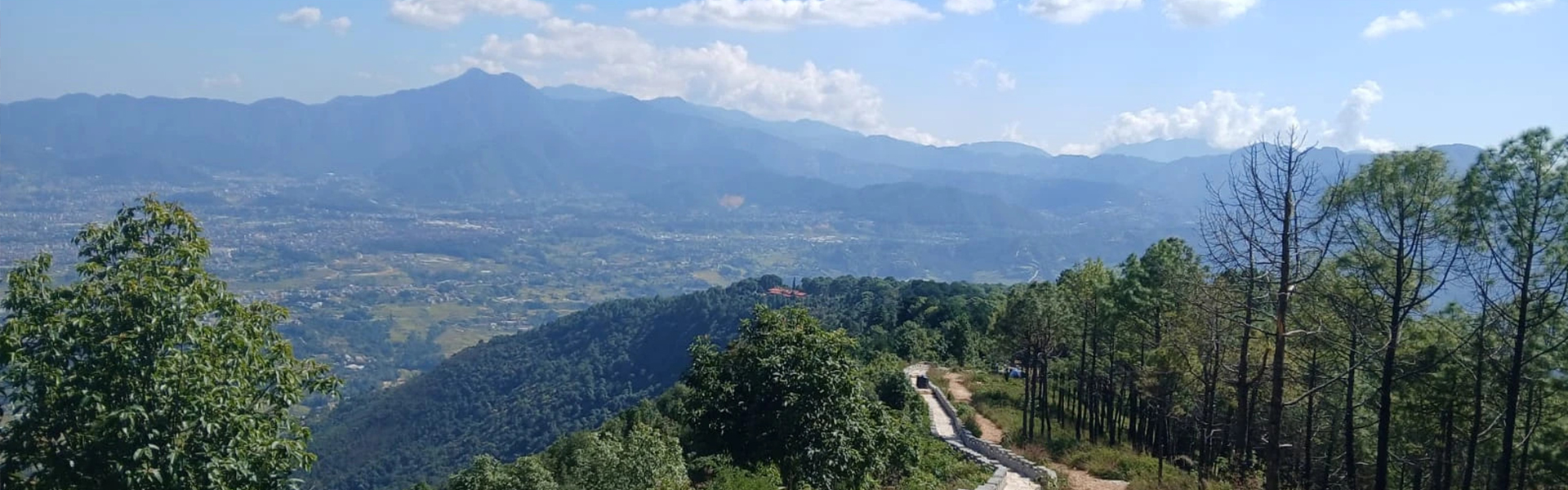
Champadevi Hiking stands out as a solid day trip near Kathmandu, perfect if you’re after woodland paths, quiet ridge walks, or broad valley sights without heading deep into the hills. This trail goes up Champadevi Hill, which is just south of the valley and a bit higher than the towns of Pharping and Dakshinkali. Many hikers choose this path because it offers hours of steady walking, fresh mountain air, and a climb that is challenging but still easy enough for those who want exercise without hard mountain climbing.
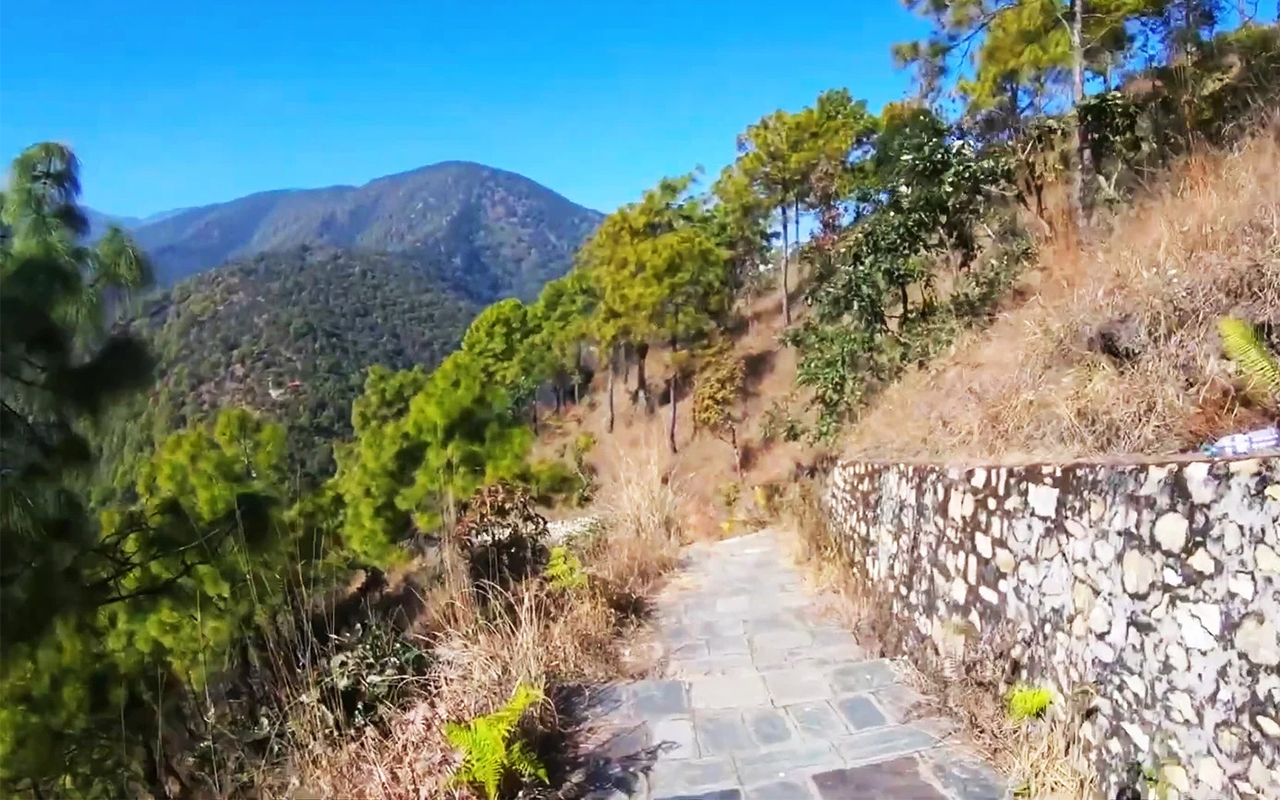
The journey kicks off near the city’s edge, meaning just a brief ride till you hit a calm footpath. As soon as you begin hiking, Kathmandu’s chaos drops behind fast. At first, you pass between pine woods and tiny villages. Soon after, it feels quieter as you climb higher. Path markings are clear, no confusion there, and it’s got a soft slope perfect for those liking constant climbs. The trail has many sunny areas as well as shaded spots with trees, and it gradually goes up toward the ridge that leads to the Champadevi viewpoint.
The hill’s quiet vibe stands out. Although lots of people hike Champadevi, it doesn’t pack in crowds like nearby trails do. There are times when all you notice is breeze and chirping. When skies stay open, views stretch to Kathmandu Valley ahead, while soft hills of Makwanpur rise behind. If the sky is clear, you can see distant mountains like Langtang, Ganesh Himal, and maybe Gaurishankar. Seeing them helps motivate you to keep climbing.
This trek gets picked a lot by visitors, foreigners living here and people from nearby towns since it works well in just one day. After eating morning food, you head out slow, take your time on foot, Stop to eat somewhere along the way and finish before evening comes. Everything runs smoothly because of the rides that pick you up and drop you off, someone skilled leading the way, meals sorted, drinking water handed out and tickets covered if they’re required. It’s easy to organize, perfect for relaxing and escaping the busy city near Kathmandu.
Champadevi Hiking’s got a few things that set it apart from regular valley treks. Check out what makes it special:
These features mean the trail works well for lone hikers, small groups, parents with kids or really, anyone wanting a quick nature escape.
Here’s what usually happens on a Champadevi hike. This gives you an idea of how your day goes:
Morning Pick-Up
Once you’ve eaten, your driver shows up with the guide from the lodge. He talks through the day’s route while they look over your gear. Then it kicks off, a quick ride heading out to where we start walking close to Pharping.
Start of the Hike
When you get to the start of the path, walking picks up right away. For the first sixty minutes, you pass small villages along with pines until woods close in tighter. A guide points the way and helps you take breaks when needed.
Lunch Break
Once you’ve walked for around two or three hours, take a lunch break. If there’s a spot nearby, you might eat at a little place run by locals, otherwise, it’ll be food handed out in packs. This pause gives you time to catch your breath ahead of the last uphill stretch.
Afternoon Climb
Later on, head toward the ridge where things start to spread out. Moving up doesn’t feel steep, instead, sights improve little by little. At the top, check out the temple spot, breathe deeply while snapping pics.
Descent
The way down takes roughly the same path. It’s simpler, though hard on your knees, so we go slow. We get to the finish between afternoon and early evening.
Return to Kathmandu
Your driver arrives at the meeting spot. On the way back, the car is quiet because most people are tired from the long walk. By dusk, you’ll be back at your place.

Note:
If you have a private group and prefer a personalized experience, we can organize a custom trip tailored to your requirements and group size, running it any day you choose.
Champadevi Hiking offers green trails, local traditions, or quiet mountain scenes. Key spots include:
Going up from where the path starts, trees pack closer, making it calmer. The shaded parts are great for resting when it’s hot. The calm around you makes walking easy and relaxing.
The trail starts close to a spot famous for places like Dakshinkali Temple along with some monasteries. Right away, you feel how meaningful this place is culture-wise before even setting off on foot.
The path toward the top feels like the best stretch of the route. The ground slopes down on both sides, offering wide views as a gentle breeze blows. People often stop briefly at spots here since the scenery shifts steadily with each step forward.
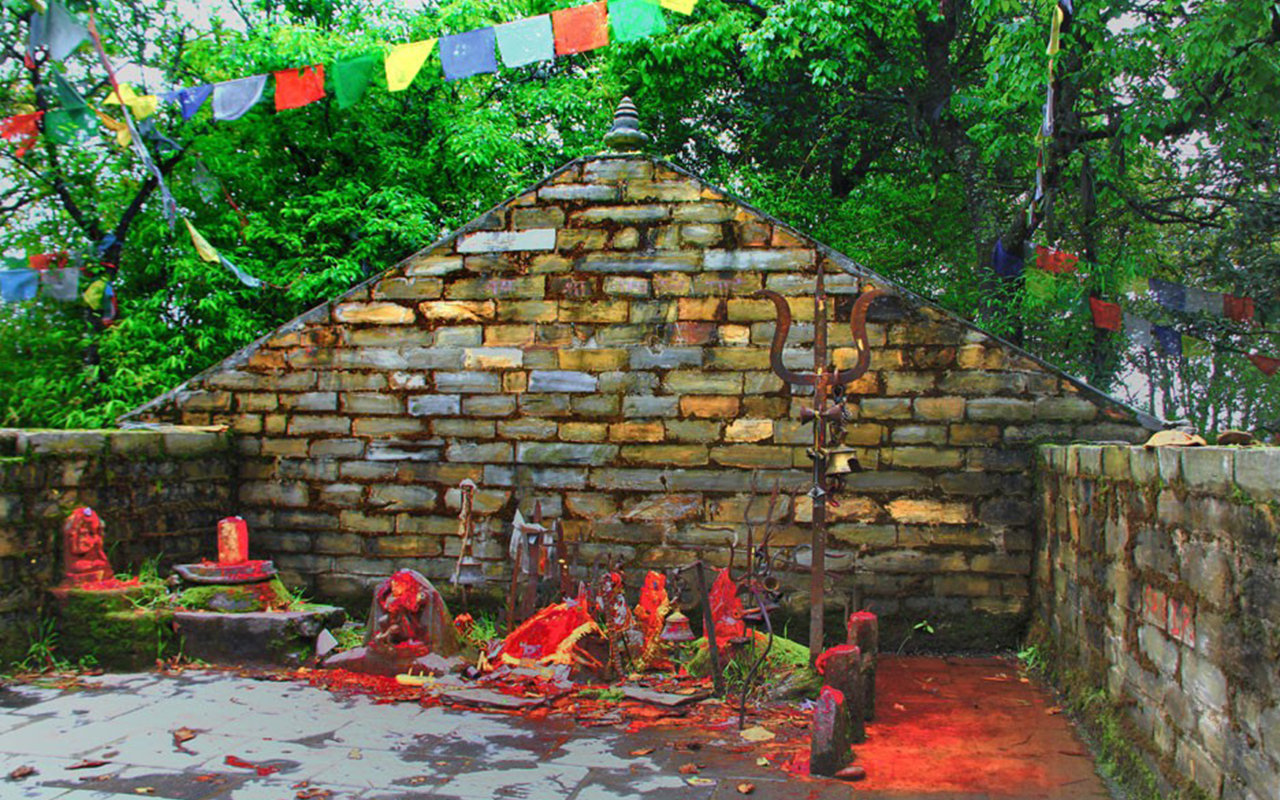
A small temple sits at the top, connected to the goddess Champa Devi. Locals see it as sacred, so you’ll usually spot colorful prayer flags hanging nearby. It’s quiet here, fitting right into the landscape without effort.
On sunny days, you can see far from the top like mountains, valleys, even distant towns if you’re lucky
The wide views make the final part feel complete.
You may see small birds like singers or forest birds, especially in spring. Although you might not always spot animals, the trees and bushes provide a good home for many creatures.
Champadevi Hiking takes up your whole day. This is how it usually goes:
This is perfect for people who want to spend the whole day enjoying nature without rushing.
The trail’s got some ups and downs. Here is what to expect:
It’s not about tech stuff, yet you’ll need energy, along with decent footwear for moving around.
The ideal seasons for Champadevi Hiking are:
Autumn (September to November)
Winter (December to February)
Spring (March to May)
Monsoon (June to August)
Even though transport is arranged, people enjoy knowing the route – Kathmandu to Kalanki, then Chobhar, and finally Pharping. A short explanation helps make the route clear and builds trust.
Example options:
Dakshinkali Temple
Asura Cave
Pharphing Monasteries
Taudaha Lake (on the way)
Traveling responsibly is very important. To do this, remember to:
Your Champadevi Hiking package usually covers:
This keeps things running smoothly, so you can pay attention to the hike instead of planning details.
Difficulty
Easy
Duration
2-16
Duration
1 Day
Best Time
Mar - May, Sep - Nov
Max Alt
2,285m (7,497ft)
A regular day means spending around six or seven hours on foot.
The trail goes up slowly, might seem endless at times, still, anyone fairly active should handle it just fine.
Few stores around. Bring food or you might go hungry. Water’s a must, pack more than you think.
A guide helps you find your way, stay safe, or keep a steady pace. Because of that, the whole experience feels smoother.
Some spots aren’t clear, yet strolling through the woods still feels good.
People often use it, it’s seen as safe, particularly on hikes led by someone experienced.
Bring comfy shoes, sunscreen, light clothes, snacks, and carry a small bag.