
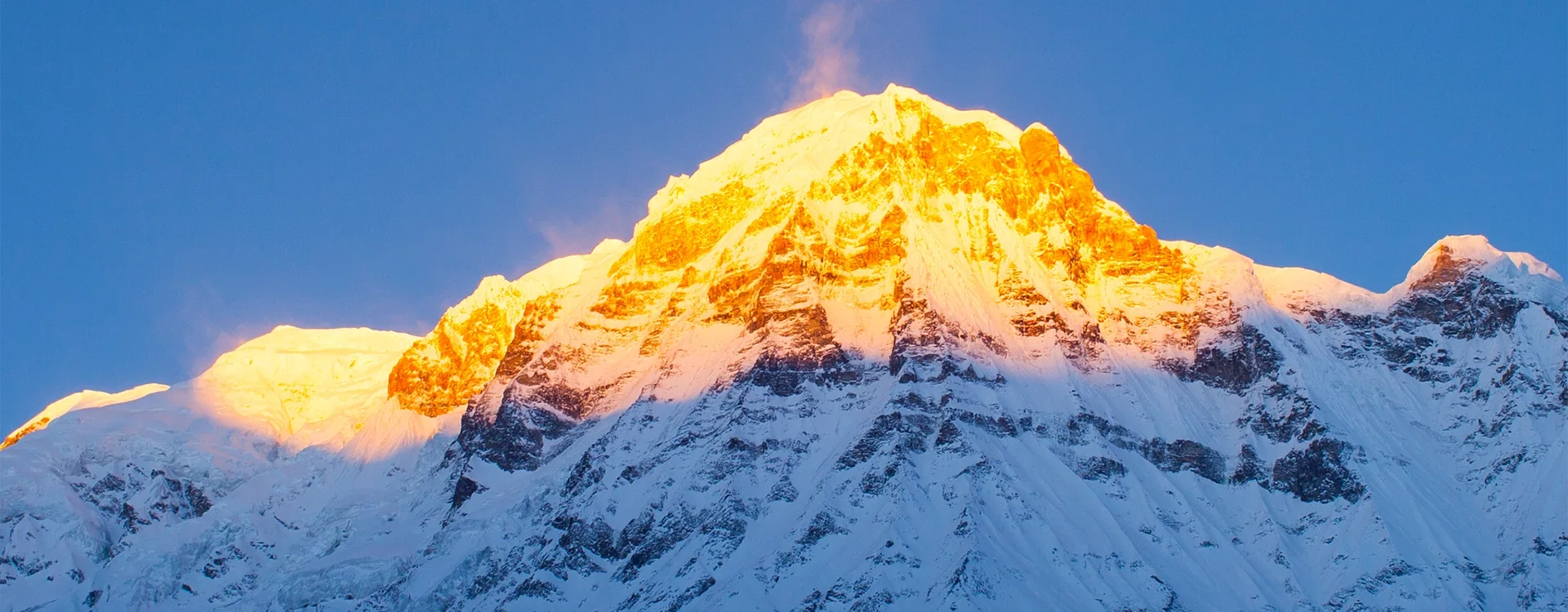
Helambu Trek – A Scenic Cultural Trek Near Kathmandu



Trek Overview
Helambu trek, hidden in the hiking trails north of Kathmandu city, is one of the most rewarding short trekking adventures in Nepal. Most of the travelers rush to the most famous treks like the Everest Base Camp and the Annapurna Circuit, but Helambu offers something unique. It mainly focuses on Himalayan views, forested ridges, and village life with no crowds.
The Helambu Trek Nepal passes through traditional settlements, Buddhist monasteries, terraced farmland, and tranquil forests. They pass rhododendron groves and several passes and meets the Hyolmo, Tamang, and Sherpa people along the way. And yet the region seems remote and culturally untouched in many places despite its proximity to Kathmandu.
Accessibility is another factor that has contributed to the growing popularity of the Helambu trekking route. Again, the trekking journey itself is only a short drive away from Kathmandu and it is possible to finish the route in a week. Due to this, the trekking route is not only ideal for beginners but also for travelers who have limited time.
The Helambu trekking, however, offers trekking days with a steady and moderate altitude, making it perfect for beginners and travelers with a week’s time or less and promises views of the Langtang and Ganesh Himal ranges on clear days.
In short, the Helambu village trek is best suited for travelers who want to experience Himalayan culture, nature, and mountain scenery without opting for a longer expedition.
Where is Helambu Trek located?
Helambu lies to the north of Kathmandu in the Langtang region of Nepal. The trek starts from Sundarijal, which is a small settlement near Shivapuri hills, then it slowly makes its way toward the alpine ridges and traditional villages.
The route passes through several well-known trekking villages which include Chisapani, Kutumsang, Tharepati, Tarkeghyang and Sermathyang before reaching its endpoint at Melamchi Bazaar.
One of the highlights of this trek is Tharepati Pass, located at around 3,650 meters, where trekkers can enjoy stunning alpine views.
What to Know About Helambu Trek?
Numerous important reasons differentiate the Helambu Trek itinerary from similar quick treks in Nepal.
- Near Kathmandu
Alike many Himalayan treks which require flights or long road journeys, Helambu starts within an hour’s drive from Kathmandu.
- Experience of Culture
The Hyolmo people of this region create an interesting cultural environment within which their Tibet-influenced traditions, monasteries, and prayer flags are prominent.
- Beautiful Landscapes
The trail passes through forests that have abundant vegetation and through hills that extend across the ground and through high ridges. Springtime brings the bright colors of rhododendron flowers while autumn provides visitors with unobstructed views of the mountains.
- Moderate Difficulty
The Helambu trekking route usually involves 5 to 7 hours of walking each day, making it a moderate hiking challenge. The relatively low altitudes make it suitable for beginners and families.
- Less Crowded Trails
The Helambu trails provide trekkers with a more peaceful experience when compared to the busy trails of Everest and Annapurna. Trekkers prefer to travel through peaceful nature trails which lead to real village experiences.
Best Time for the Helambu Trek
The right season selection will enhance your trekking experience. The best time for the Helambu Trek Nepal is generally during spring and autumn.
Spring (March-May)
Spring creates one of the most vibrant periods on the trail. The rhododendron forests display their flowers in bright red and pink colors while the weather provides ideal conditions for walking.
Autumn (September-November)
Autumn is recognized as the ultimate hiking period. The weather provides perfect conditions for mountain viewing because the skies remain clear and the temperatures stay pleasant.
Winter (December-February)
In winter, trekking route remains open but climbers should prepare for extreme temperature drops at high-altitude locations.
Monsoon (June to August)
The trails become muddy during heavy rainfall, while the landscape turns green and lush.
Accommodation and Food for the Trek
Helambu Trek in Nepal follows the standard teahouse trekking system. Simple lodges greet you along the way. Comfortable, simple facilities are available here.
Rooms usually have basic beds, blankets, and shared bath amenities. The dining halls are cozy spaces that attract hikers together for breakfast, lunch, and dinner.
People commonly choose these food items for their meals:
- Dal Bhat which consists of rice and lentil soup and vegetables
- Noodles and pasta
- Tibetan bread
- Momos which are dumplings
- Tea and coffee
The Meals are simple but packed with energy to keep things going for the daily trek.
Helambu Culture and Local Lifestyle
The Helambu village trek offers some of the best opportunities to experience unique Himalayan cultures.
The region is inhabited by the Hyolmo community, deeply linked to Tibetan Buddhism. The Prayer Flags and Chortens, painting a colorful picture, adorn the villages.
Monasteries play an essential role every day and visitors might witness the monks doing rituals, performing nice ceremonies and chanting prayers.
Trek Difficulties and Preparation
The trekking in Helambu is seen as intermediate in terms of difficulty. Trekkers walk 5–7 hours a day on well-defined trails.
Due to its maximum height being just around 3,650 m, the risk of altitude sickness is relatively low compared to high Himalayan trekking.
The team requires proper preparation which includes:
- Maintain good physical fitness
- Walk at a steady pace
- Stay hydrated
- Carry appropriate clothing for changing weather
Permits Required for Helambu Trek
Trekkers need several permits to complete the trek:
- Langtang National Park Entry Permit
- TIMS (Trekkers’ Information Management System) Card
- Shivapuri National Park Permit for the Sundarijal entry point
These permits are essential for conservation and the growth of tourism communities.
Packing List for the Helambu Trek
Essential items for the trek include:
- Comfortable trekking boots
- Warm jacket and layers
- Sleeping bag
- Trekking poles
- Water bottle or hydration system
- Sunscreen and sunglasses
- Personal first-aid kit
The journey will be more enjoyable if you pack your belongings in a smart and compact way.
Helambu Trek Costs Review
Mostly, the pricing of the Helambu trek Nepal package depends on what services are included in it. The standard trekking package provides five essential services which include:
- Guide and porter services
- Accommodation during the trek
- Meals
- Transportation
- Permits and entry fees.
Budget travelers can organize their trek as an independent activity although most travelers prefer to use a local guide because it provides better safety and cultural understanding.
Why Traveling with a Trekking Company
The Helambu Trek can actually be done alone, but trekking through the support of local tour companies gives one many benefits.
Local guides are familiar with the trails, local culture and current weather conditions. The guides have the ability to organize lodging arrangements, handle permit requirements, provide information about the villages and natural scenery throughout their journey.
Hiring local tourism guides is also a way to support local communities that depend on trekking tourism.
Final Thoughts
A hike to Helambu is an adventure in trekking which, in my opinion, goes unnoticed. It brings together lively scenery, rich culture, and easily accessible trails, all within proximity to Kathmandu.
Helambu is a good option for a short trek in Nepal if you are a traveler looking for a genuine Himalayan experience. Explore the calm woods, welcoming villages, and high ridges for a vibrant spread of the raw beauty of the Himalayas.
Your memories of Helambu will stay with you until your return to Kathmandu because its peaceful paths, warm villages and its expansive mountain views will create lasting impressions on you.
Day-by-Day Itinerary
1
You land in Kathmandu International Airport to kick off your adventure. In meeting immigration requirements, your trek agency welcomes you and takes you to your hotel.
Kathmandu is a lively city where you can find ancient temples and noisy streets. You can choose between relaxing or exploring the nearby Thamel market after you complete your check-in process. The Thamel market area is famous for trekking equipment outlets, cafes, and souvenir shops.
The trekking agencies organize a welcoming dinner in the evening where you meet your guide and discover details about the forthcoming Helambu Trek Nepal expedition.
2
The mountains require trekkers to spend one day exploring Kathmandu’s cultural heritage before they begin their ascent. The city has a number of UNESCO World Heritage Sites and other historical points.
It’s common that hikers go to Buddhist and Hindu temples, ancient squares, monasteries that beam with vibrant life. On the other hand, your guide help finalize trekking permits, inventory equipment, and prepare for travel.
This is the day when everything needs to be prepared for the trek-logistics, the permits, the packing lists, etc.
3
The breakfast meal will be followed by your drive from Kathmandu to Sundarijal which takes one hour to reach.
One embarks on a journey through the shady forested paths that traverse the inside of Shivapuri National Park. And then, follow narrow, stone-stepped pathways as they ascend slowly in a lush route hemmed in by greenery and tiny hamlets.
Hence, the forest thins and the air becomes lighter as you keep on ascending. After hours of hiking, one reaches Chisapani, a beautiful hilltop village that is indeed famous for its scenic view.
On days that are bright and sunny, you can see the sun’s reflection of the high Himalayan peaks and mountains stretching across the clear horizon.
4
The trek for today is through meadows, ridges, and beautiful villages. The trail at first descends gradually, and then climbs again toward the Helambu region.
Along the way you come through rural settlements where the locals live a simple agricultural lifestyle. The trail proceeds among forested tracts and meadows, offering excellent mountain views.
Now one finally reaches Kutumsang, a serene village nestled in among thick hills and forests.
5
This is perhaps the most spectacularly scenic day of the Helambu trek. Through rhododendron, oak and fir forests, this path goes uphill.
When people go higher, they reach a kind of alpine terrain. The song of the birds in the forest echoes, and bright prayer flags flap all along the way.
After several hours of trekking, we came across Tharepati, which is the highest elevation of this trek. From here, they relish spectacular views of the Langtang Himalayas.
6
Here, the path descends into the heart of the Helambu region. As the mountains fade away behind you, this landscape starts changing again with forests and terraced hillsides.
Soon you reach Tarkeghyang, which is one of the main villages of Helambu. The village is famous for its monasteries and distinctive ethnic Hyolmo culture.
Taking a tour of the village in the evening acquaints one with local customs and traditions.
7
Today’s trek is easy. There are forests, farmland, and pathways through small settlements along the way.
Finally Sermathyang comes in sight after walking through quiet landscapes. This village stands amidst the silent, picturesque hills and far-off mountains.
Trekkers relax and indulge their senses in the quiet Helambu countryside in the evening.
8
Your final trekking day is to make a slow descent towards the Melamchi Bazaar. The trail runs through farms, villages, and forests before meeting the road. A vehicle from here takes you back to Kathmandu, which usually takes around 4–5 hours.
Once back in the city, you can celebrate the successful completion of your Helambu Trek itinerary.
9
Relax after breakfast which marks the end of your adventure. Your transfers to the airport depend on the timing of your departure flight.
Several trekkers go back home from Nepal with the unforgettable memories of mountains, villages, and warm hospitality they encountered while on the Helumbu Trek.

Note:
If you have a private group and prefer a personalized experience, we can organize a custom trip tailored to your requirements and group size, running it any day you choose.
TOP
SELLER
SELLER

Difficulty
Easy


