

Difficulty
Easy

Duration
2-16

Duration
9 Days

Accommodation
Hotel,Teahouse

Best Time
Mar - May, Sep - Nov

Max Alt
2,060m (6,759ft)

The Lower Annapurna Trek is one of the best short treks in Nepal for travelers who wish to enjoy the Himalayan scenery, villages, and easy walking without the difficulties of high altitude. The trekking route in the Annapurna region allows travelers to enjoy the Gurung villages, forests, farmland, and viewpoints with stunning views of some of the most popular Himalayan peaks in Nepal.
The Lower Annapurna Trek is an excellent short trekking option in Nepal, which offers a good mix of scenery, cultural experiences, and easy walking. It is an excellent option for travelers who are interested in experiencing the region of Annapurna, but do not want to tackle high altitude or long, tough treks.
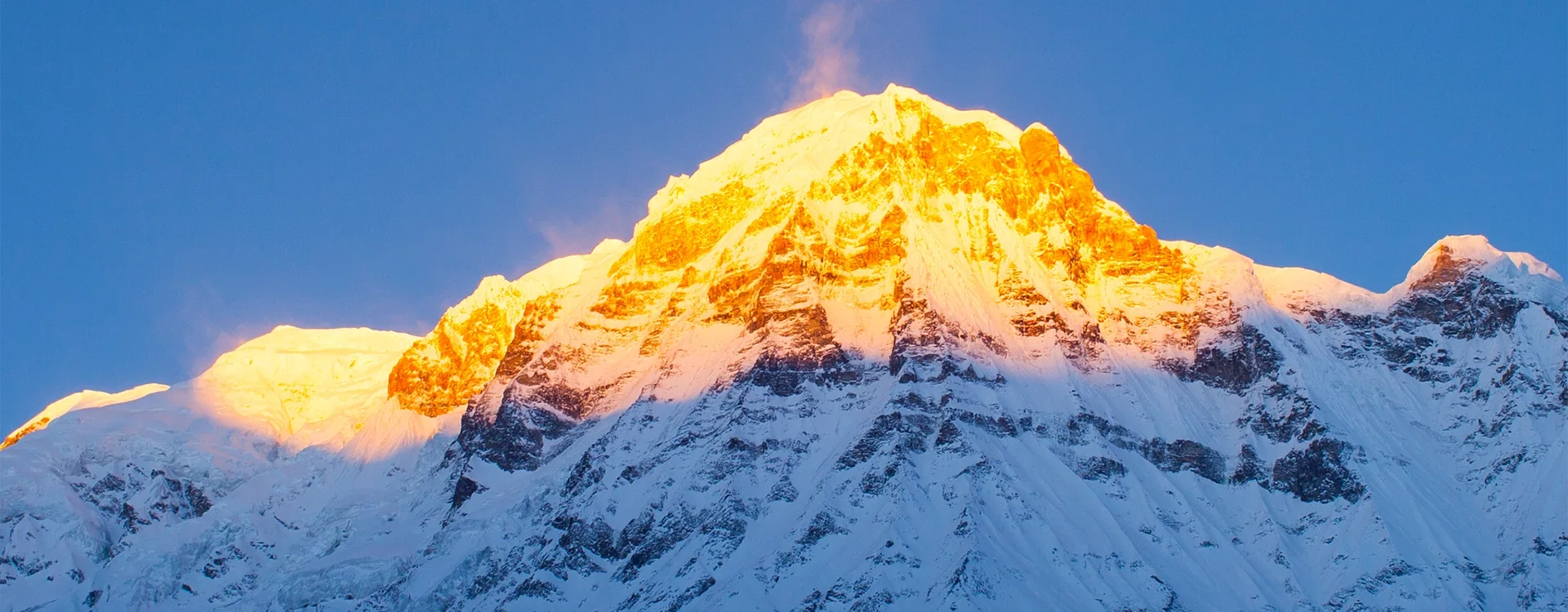
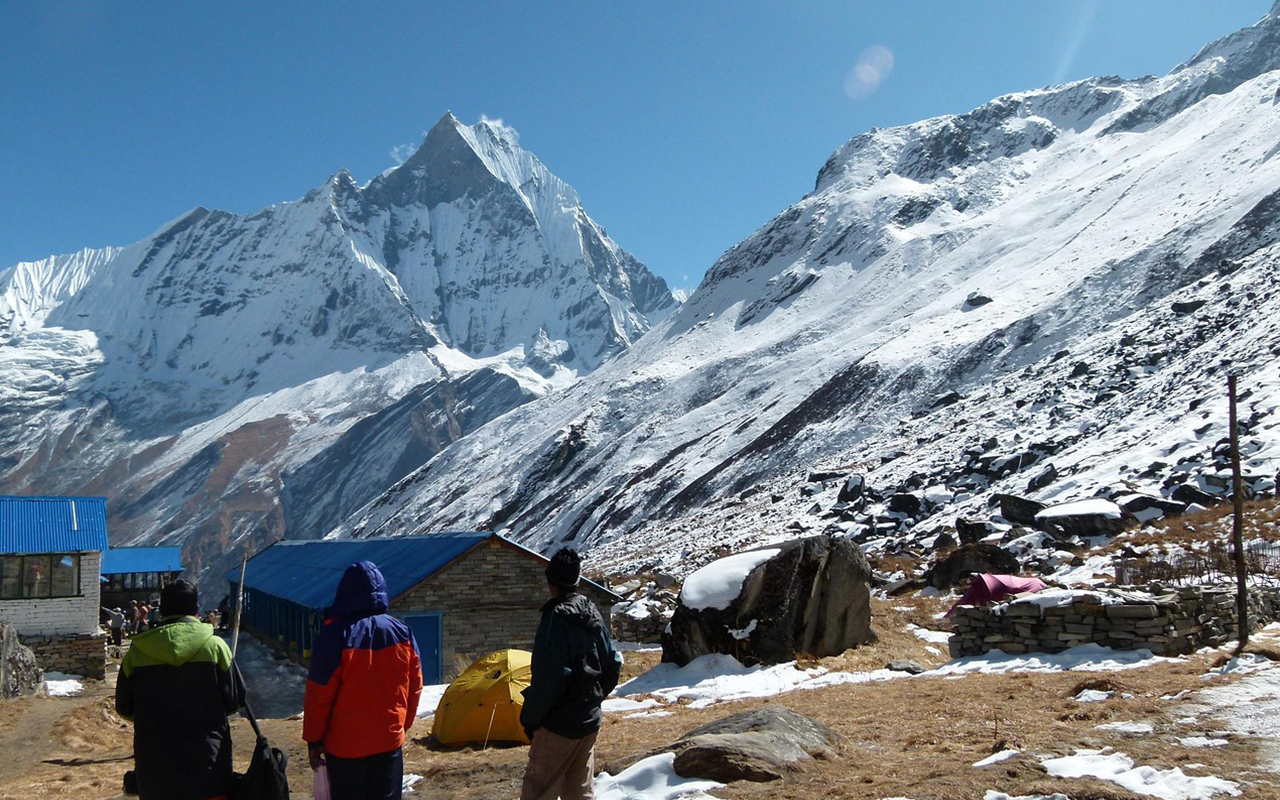
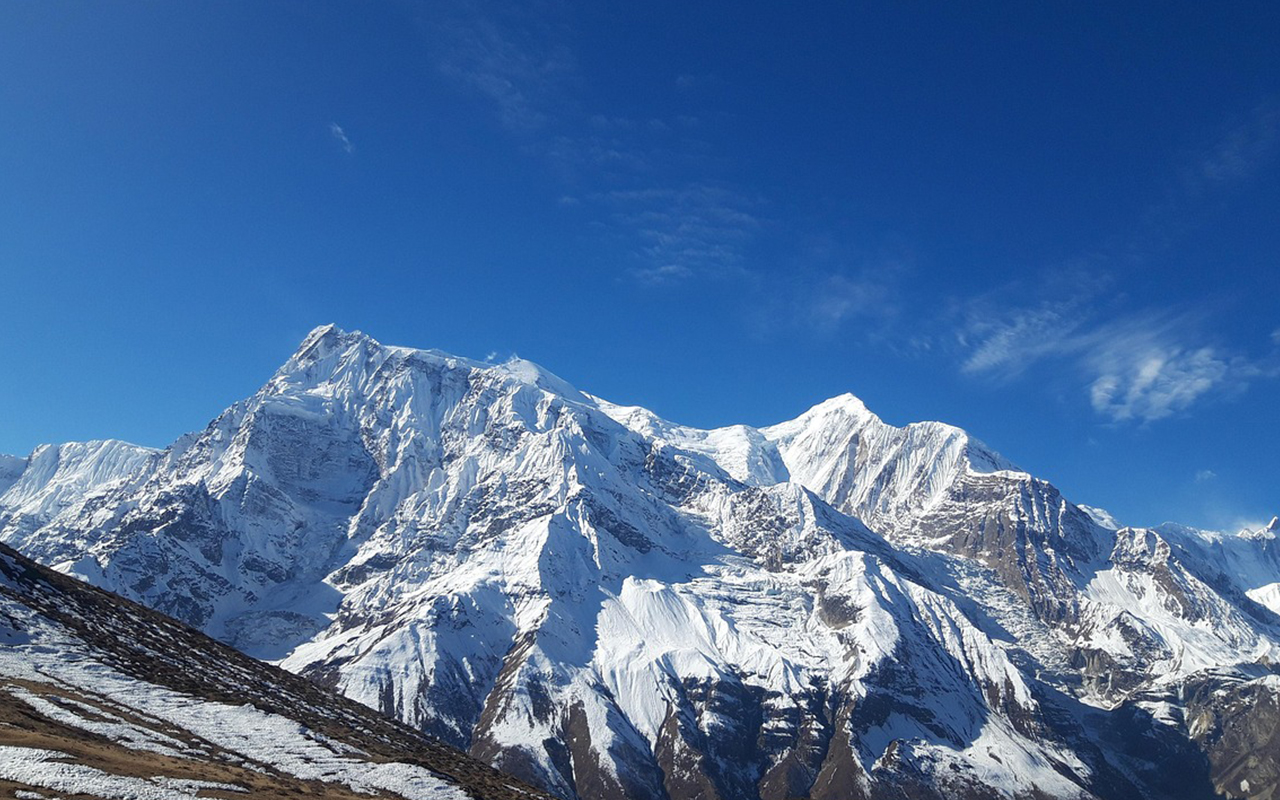
The Lower Annapurna Trek is different from the longer Annapurna Treks in its emphasis on accessibility and culture. Trekkers walk through stone-paved villages, farmlands, and rhododendron forests with constant views of Annapurna South, Machhapuchre, and Hiunchuli peaks. Each day’s walk is well-paced, giving ample time to enjoy the scenery rather than hurrying through it.
This trek is suitable for beginners, families, and those with limited time. The trek does not involve any extremely high altitudes, yet it gives a true trekking experience in the Himalayas. The trekking route is already established, accommodation is comfortable, and the daily walking hours are not too long.
After arriving at Tribhuvan International Airport in Kathmandu, visitors are received by our representative and transferred to the hotel in Kathmandu. The city of Kathmandu is located at an altitude of 1,400 meters, providing a gentle introduction to Nepal.
The rest of the day is kept free to relax and take a rest. According to the time of arrival, the visitors can roam around the streets. In the evening, a briefing is conducted to inform the visitors about the trekking schedule. Accommodation is usually in a comfortable and standard hotel.
The second day of your Lower Annapurna Trek will be spent sightseeing around Kathmandu. Generally, sightseeing involves a visit to UNESCO World Heritage Sites, which include Swayambhunath Stupa, also known as Monkey Temple, Boudhanath Stupa, and Pashupatinath Temple, among others. These sites give an idea of Nepal’s religious heritage, history, and way of life.
In between sightseeing, there is an opportunity to pick up any missing trek gear. If something is missing, it can be purchased in Thamel, the main tourist area of Kathmandu. Trek permits and final formalities are also completed on this day. This balance of cultural exploration and preparation helps travelers feel organized and ready to go before heading into the mountains.
Travelers on Day 3 will be traveling to Pokhara, the entrance to the Annapurna region. This can be done either by a scenic drive which takes about six or seven hours, or a short domestic flight which takes about 25 minutes.
The drive passes through rivers, hills, and villages, giving one an idea of the Nepalese countryside. Taking a flight saves time and on clear days, one gets a glimpse of the Himalayas.
Pokhara is situated at an altitude of 822 meters. It is famous for its laid-back atmosphere and lakes. Upon arrival, tourists check into a hotel in the vicinity of Phewa Lake and have a relaxing evening. Some prefer to walk along the lakeside or enjoy the reflection of Machhapuchhre on the lake.
After having breakfast, the day begins with a drive from Pokhara to Nayapul, which takes about an hour and a half. The route from Nayapul leads to a gentle climb through some villages and agricultural land.
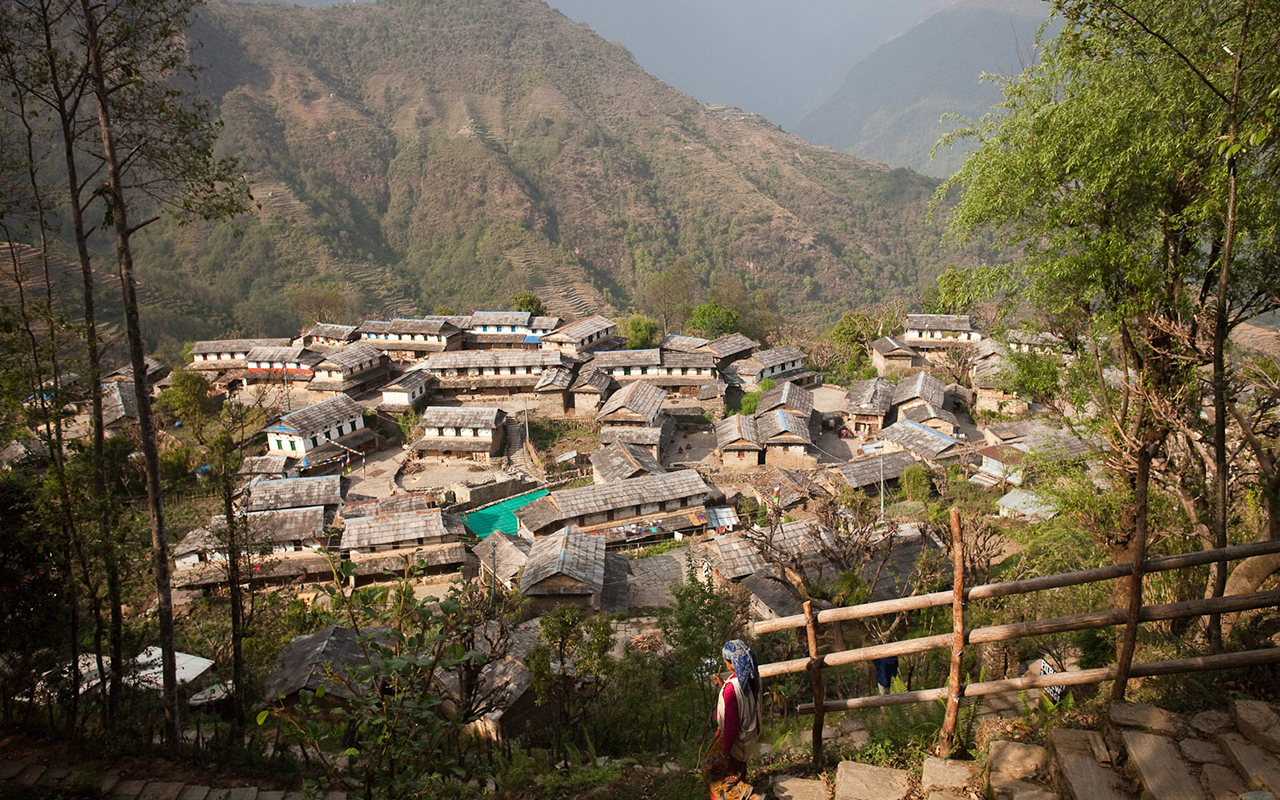
The trekking distance from Nayapul to Ghandruk is about four to five hours of steady walking. On the way, you will find suspension bridges, stone steps, and streams. Ghandruk is a large Gurung village famous for its traditional stone houses and the friendly welcome of its inhabitants.
Ghandruk, which is located at an altitude of 1,940 meters, offers breathtaking views of Annapurna South and Machhapuchhre. Lodging is at a teahouse owned by the locals.
The Ghandruk to Tolka trek begins after breakfast at the mountain view site. The trek goes through the forest, then begins a gradual ascent through small settlements and agricultural fields.
This trekking section takes about five or six hours. This route is peaceful and less crowded, giving trekkers a chance to enjoy the sounds of nature and village life. Along the way, there are many viewpoints with views into the Annapurna range.
Tolka is a quiet village situated at around 1,700 meters. The evening is peaceful and relaxed. It’s a good time to relax after a day of walking. The group will spend the night at a teahouse which provides essential services to its guests.
Day 6 is a relatively short and scenic trekking day. The trek route from Tolka to Australian Camp goes through dense forests of oak and rhododendron, especially in the spring season.
The trekking route is expected to take about three to four hours, with a gradual ascent. Australian Camp is located at an altitude of 2,060 meters and is known for its spectacular views of sunrise and sunset. On clear days, one can even spot Annapurna South, Hiuchuli, and Machhapuchre stretching as far as the eye can see.
The area around Australian Camp has well-maintained lodges with open views, and it is one of the highlights of the trek.
Early risers will be rewarded with views of the sun rising over the mountains before starting the descent. The route begins its descent to Kande or Phedi through forests and villages on the hillside.
After arriving at the main road, the journey continues back to Pokhara. This will take about an hour. The afternoon is free to relax, enjoy the cafes on the lakeside, or take a short boat ride on Phewa Lake.
The return to Pokhara from the trail brings a double benefit because the city provides both comfort and opportunities to think about your trekking experiences.
The travelers who already visited Kathmandu on their first journey now return to the city through either bus or flight on their eighth day of travel. The visitors to the city receive free time after their arrival for final shopping and souvenir collection and visiting their preferred locations.
In the evening, some trekkers may choose to have a farewell dinner, celebrating the successful completion of the trek.
This is the last day of the trek, and it is time to leave Nepal. Trekkers will be dropped off at the airport according to their flight schedule. The Lower Annapurna Trek is a memorable experience, even though it is a short one, due to the views of the mountains and villages, and the hospitality of the people.

Note:
If you have a private group and prefer a personalized experience, we can organize a custom trip tailored to your requirements and group size, running it any day you choose.
The trek passes along well-maintained trails through villages like Nayapul, Ghandruk, Tolka, and Pothana. Trails include stone staircases, forest trails, and farm tracks. The route is well marked, and no expertise is needed.
The Lower Annapurna Trek takes place in the Annapurna Conservation Area, which is Nepal’s biggest protected area. To ensure the conservation of the area, trekkers must possess:
The best season for this trek is spring i.e. March to May, and autumn i.e. September to November. During these times, the weather is clear, and the views of the mountains are wonderful. Winter is also possible, but for those who want fewer crowds, it is a good option, although the mornings may be cold.
Accommodations along the route are available in local teahouses. The rooms are simple but clean, with twin beds. Meals are served, which include Nepali dishes like dal bhat, as well as noodles, rice dishes, soups, and a few Western dishes.
The difficulty level of the Lower Annapurna Trek is easy to moderate. There are no technical skills needed, and the altitude is not a problem. Regular walking, light cardio exercises, and basic fitness preparation are sufficient for most travelers.
The essentials are:
The trail goes through Gurung villages where traditional farming culture and hospitality are still thriving. Ghandruk has cultural museums.
Ghandruk village and Australian Camp are the most popular photography spots. Sunrise and sunset times provide the best light for photographing mountains.
The trek may be made shorter or longer by choosing different entry or exit points, or by adding Sarangkot or other shorter treks in the Pokhara area.
The Lower Annapurna Trek provides the essence of the Annapurna region in a short and easily accessible form. The trek is a mix of comfort, culture, and scenery, making it one of Nepal’s most rewarding short treks.
Difficulty
Easy
Duration
2-16
Duration
9 Days
Accommodation
Hotel,Teahouse
Best Time
Mar - May, Sep - Nov
Max Alt
2,060m (6,759ft)
The Lower Annapurna Trek itinerary is for 7 to 9 days, depending on arrival in Kathmandu. The duration of the actual trekking will be around 4 to 5 days, making it one of the best short treks around the Annapurna region of Nepal.
Yes, Lower Annapurna Trek is suitable for beginners. The trail is well maintained, walking hours are moderate, and maximum altitude is low. No prior trekking experience is necessary, but a certain level of fitness is desirable.
The highest point of the Lower Annapurna Trek is Australian Camp, which lies at an altitude of about 2,060 meters above sea level. The risk of altitude sickness is low since the altitude is low.
To do the Lower Annapurna Trek, the following permits are required:
The accommodation during the Lower Annapurna Trek consists of local teahouses. These teahouses provide clean rooms with twin beds and shared facilities. In Kathmandu and Pokhara, travelers stay in good hotels with en-suite facilities.
The teahouses on the Lower Annapurna trekking trail offer different kinds of meals, such as dal bhat, noodles, fried rice, soups, pasta, and breakfast items such as eggs and porridge. Vegetarian meals are easily available on this trek.
The best time to go on the Lower Annapurna Trek is during spring, which includes March, April, and May, and autumn, which includes September, October, and November.
The difficulty level of the Lower Annapurna Trek is considered easy to moderate. The days on the trek involve 3-6 hours of walking on stone steps, forest trails, and village trails. The trek is considered appropriate for most travelers.
You will need comfortable hiking shoes, layers, a light jacket, rain gear, sunscreen, a water bottle, and your own toiletries for the Lower Annapurna Trek. There is no need to pack anything too heavy or technical for this trek.
There is safe drinking water available along the route, although boiled water from the teahouses or bottled water can be purchased. Many trekkers use water purification tablets or filters to avoid the use of plastics.
Mobile networks are available in most villages along the Lower Annapurna Trek, although the networks are uneven. Wi-Fi is available in some teahouses at an additional cost, although the internet connection is slow.
The Lower Annapurna Trek is considered to be one of the best treks in Nepal for families. The trail is easy, and the altitude is low, making it suitable for families with children and older people in good physical condition.