

Difficulty
Easy

Duration
2-10

Duration
1 Day

Best Time
Mar - May, Sep - Nov

Max Alt
2,128m (6,982ft)

The Nagarjun Hike, also called the Jamacho Peak Trek is one of the top short trails close to Kathmandu, easy to reach for most people. Sitting inside Shivapuri Nagarjun National Park’s safeguarded zone, it mixes peaceful nature with meaningful heritage spots. You’ll get wide-open mountain sights along the path, which makes leaving the noisy city behind totally worth it. Whether you’ve got just a few hours or a whole afternoon free, this walk fits perfectly.
The trip usually starts at the park’s primary gate close to Balaju. While moving up through thick, green Nagarjun woods, there’s a calm, shady setting that feels refreshing. Going higher takes roughly 2–3 hours without sudden steep parts so it fits new walkers, parents with kids, or anyone wanting light outdoor time.
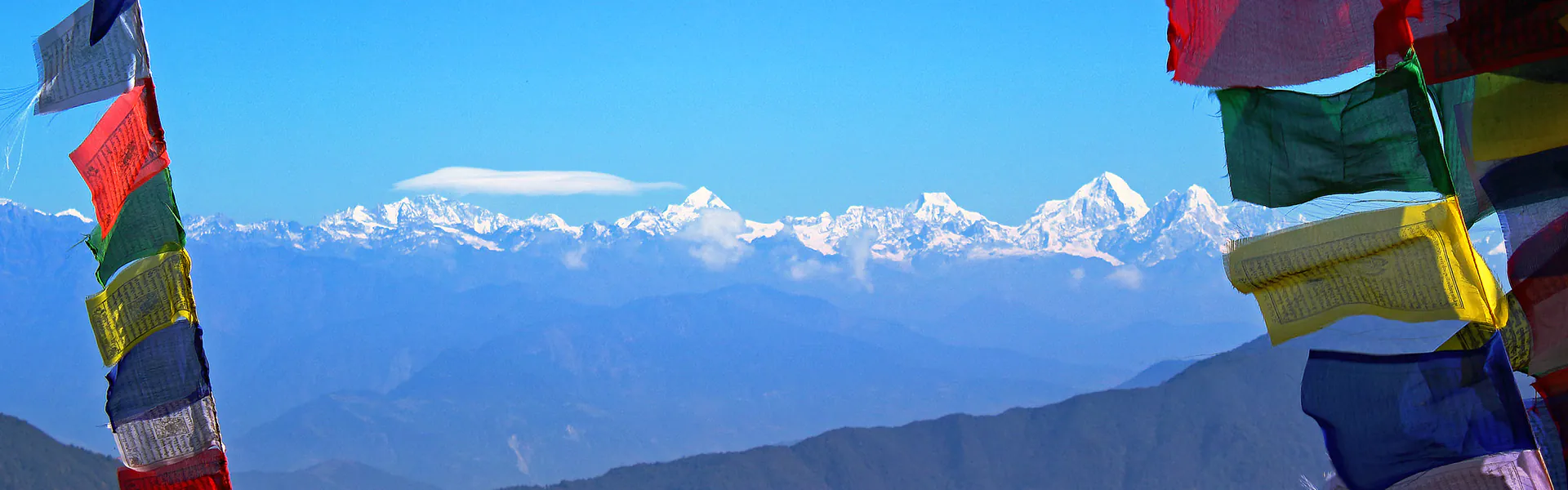
The main spot’s the sacred Jamacho Gumba, sitting high on Nagarjun Hill at 2,128 meters. Not just holy vibes here, this summit’s known for wide-open Himalayan sights. When skies are clear, walkers get an epic scene spreading out over the whole Kathmandu Valley, showing off big mountains like Langtang Lirung and Ganesh Himal, along with a far-off look at Manaslu. That sweeping valley outlook? What most visitors come for.
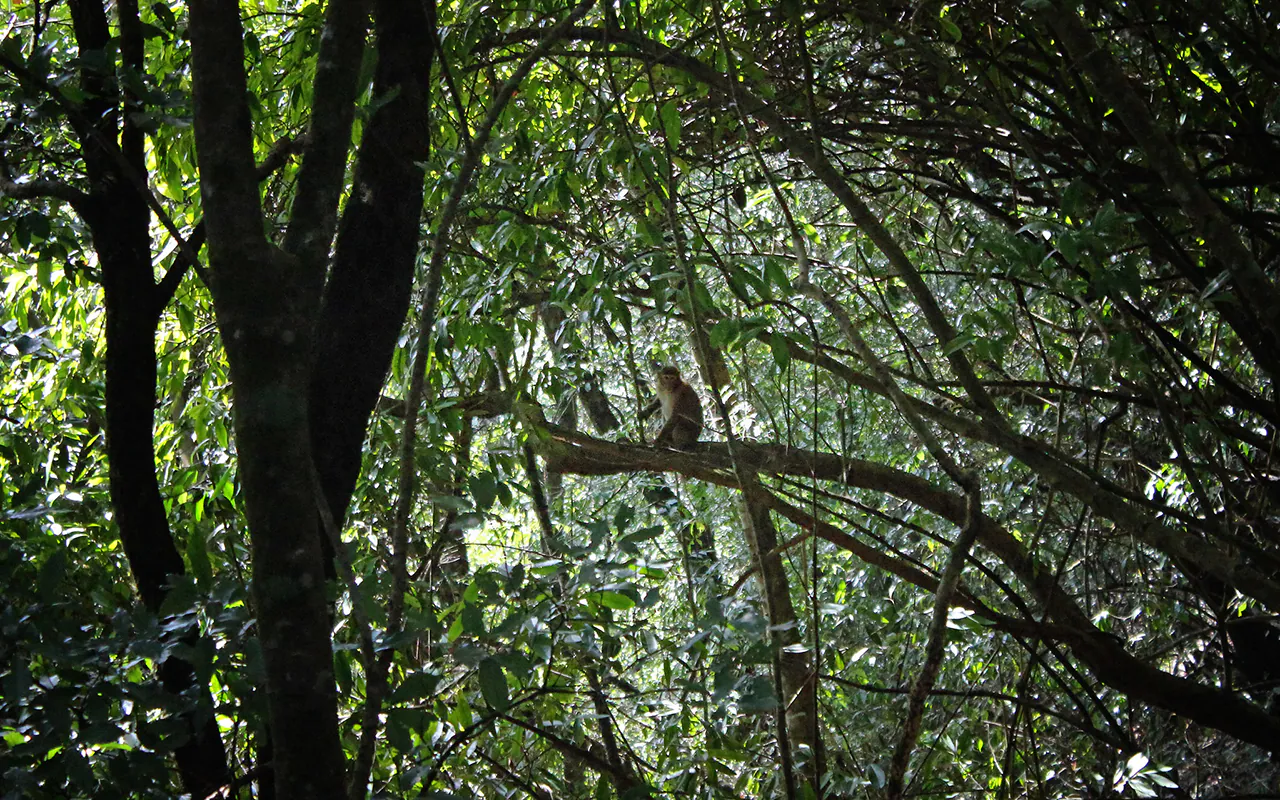
The Nagarjun Day Hike isn’t only for the scenery. One gets deep contact with wild greenery, maybe spotting birds or unique plants along the way is also completely possible. You might be looking for quiet reflection or just a solid chance to move outdoors near Kathmandu, snap some vivid photos; either way, this trail delivers something energizing without feeling rushed.
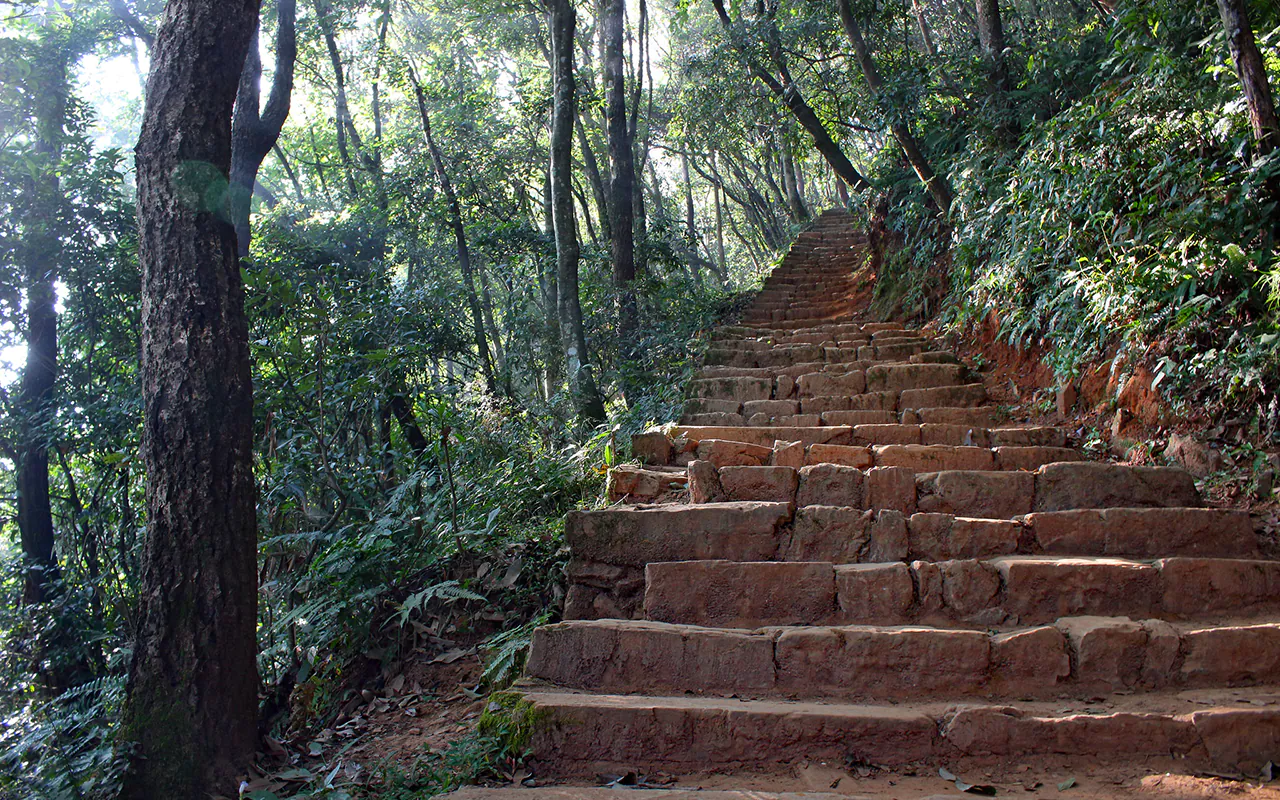
Nagarjun Hike, sometimes known as the Nagarjun Day Hike is an easy trek along a ridge just outside central Kathmandu. Instead of roads, you’ll walk through woods, past stone stairs, also tiny villages. The path climbs to Jamacho Gumba before reaching the top spot for sightseeing. From there, see across the valley and if skies are clear, spots peaks like Langtang plus Ganesh Himal. It works fine either as a morning trip or takes up your whole afternoon from Thamel or close-by areas.
This plan starts at a hotel in Kathmandu, follows usual timings for an easy rhythm. We leave room to shift things. Match the flow to how fast your crew moves or what time of year it is.
05:30–07:30 – Choose your morning pick-up time or go early
When you begin changes with the season – also what feels best for you, like early cool air or a slower morning. Most teams head out from seven to eight o’clock.
Driver picks you up from the hotel once breakfast ends. Sort out where to meet plus his contact info the evening prior.
Driving from Thamel to Fulbari gate takes 15–40 minutes, but heavy traffic might slow you down. If it’s early morning, expect delays because of crowds.
07:30–08:00 – Start at trail entrance along with paying park entry fee
Get to Fulbari gate. Once there, your guide or maybe the driver picks up the entry pass for Shivapuri Nagarjun National Park. Keep your passport or ID close by. Opening times are usually early, though it’s smart to check what locals say.
08:00–11:00 – Ascend to Jamacho Gumba / summit
Start walking. Up ahead, the path goes into the woods. Watch for rocky stairs along with brief uphill bits.
Take quick breaks now and then snap pics while you’re at it. Keep going without rushing. Time to summit? Roughly 2.5 to 4 hours, based on where you start and how fast you move.
11:00–12:00 – when the main event kicks off
You’ll reach Jamacho Gumba along with the top stupa. Chill out a bit. Check out the little monastery plus nearby spots. Spend around 20 to 45 minutes eating, snapping pics, enjoying sights. Views can shift quick so it is better to snap shots soon if skies seem open.
12:00–14:00 – Time for lunch, then head down
Grab a bite up top or halfway down. In case the tea spot’s closed, bring food along. Going down might last between one and a half to two and a half hours. Be careful where you step on rocky stairs.
14:00–15:00 – Head back to where you started, then get a ride
Get to the meeting spot. See the driver then head back toward Kathmandu. The ride might take longer if roads are busy in the afternoon. Most people get back to their place around 2:30 or 4 p.m., depending on schedule. Change arrival time if you begin late or move at a slower pace.

Note:
If you have a private group and prefer a personalized experience, we can organize a custom trip tailored to your requirements and group size, running it any day you choose.
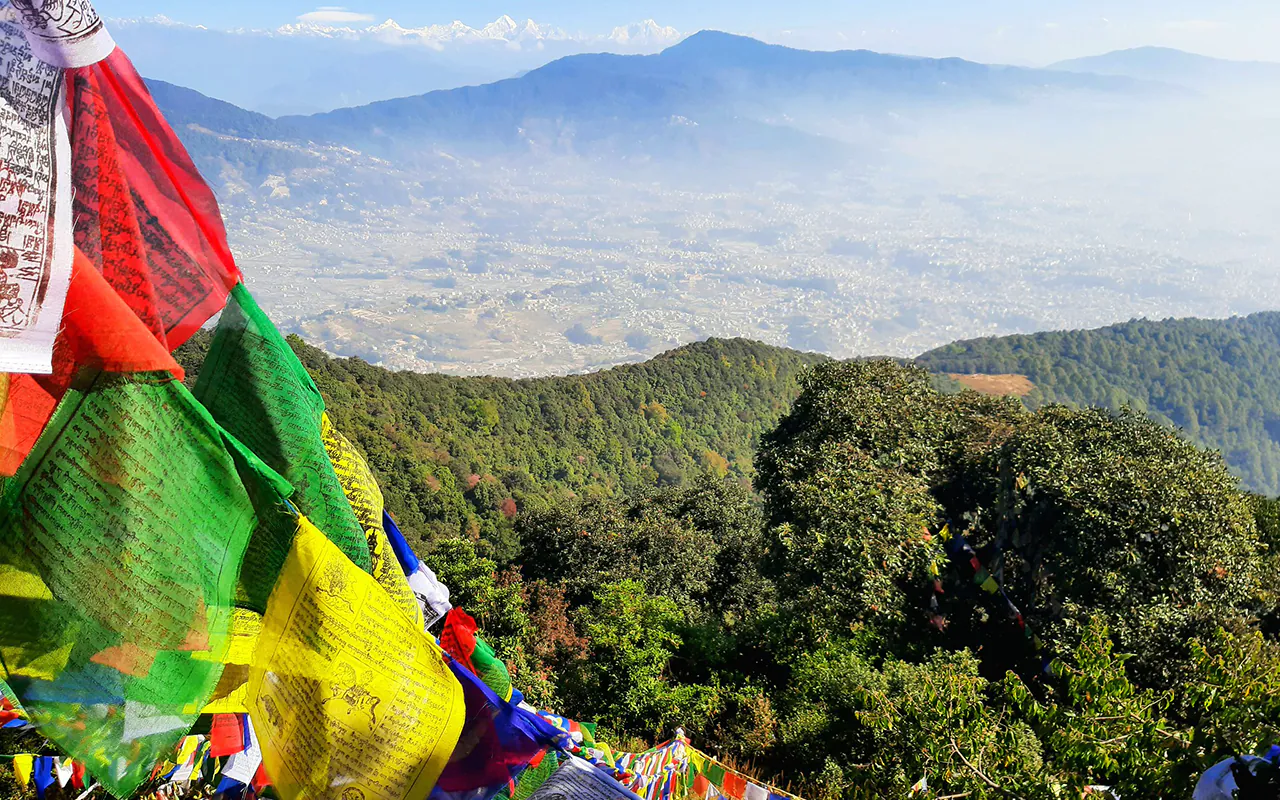
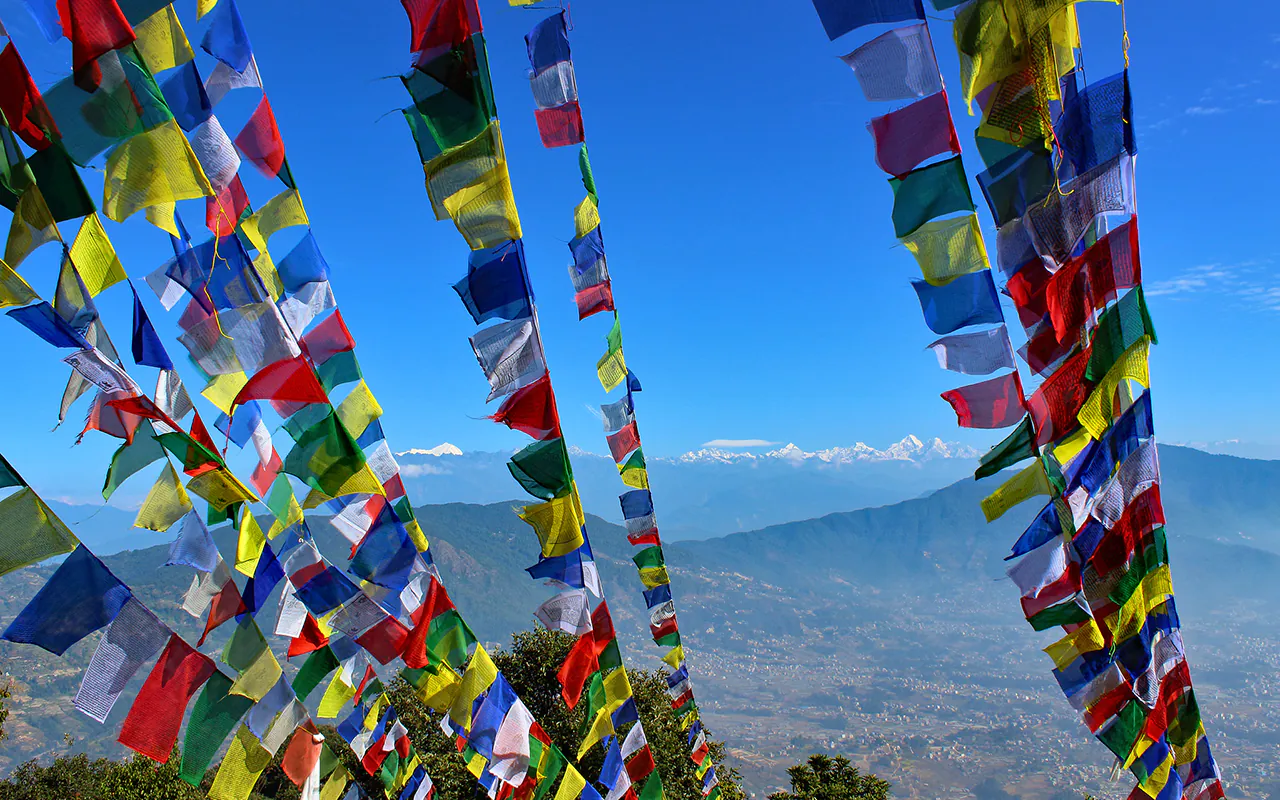
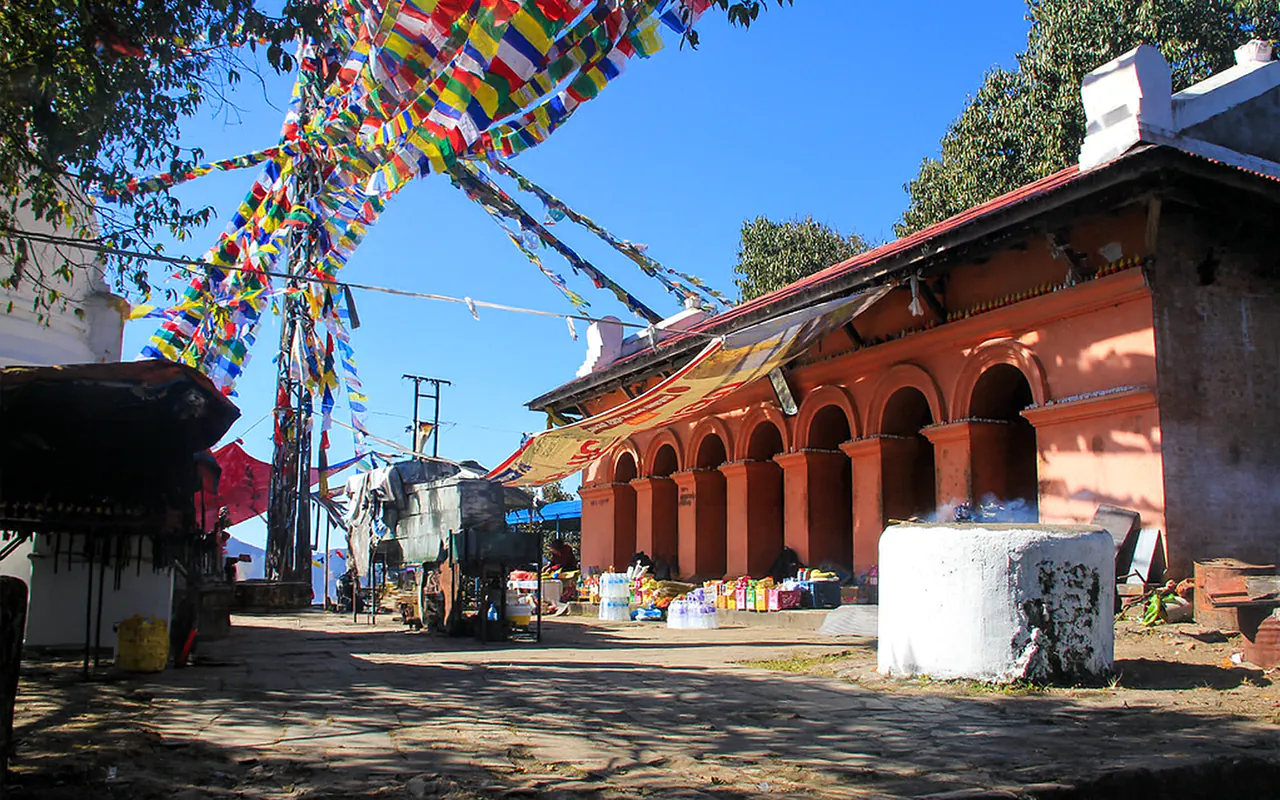
The main spot’s Jamacho Gumba along with the peak viewpoint. Near the top, you’ll find the gompa sitting quiet. Hikers stop here not just to catch breath but also take in the scene. Prayer flags wave around, there’s a small shrine, plus some spots to relax. The route’s is valuable not just to regular people living there but also to those flying above it – like pilots or crew who depend on how high it goes. From up there, looking north or west shows how big the valley really is. It highlights what makes the Nagarjun Hike so worth it as the land really looks really huge from up there.
Expect 3 to 6 hours hiking – route and speed decide that. Most hikers take 6 to 8 hours total once you add shuttles and rest stops. A popular path is about 8–11 km there and back, with climbs of 400–700 m based on your starting point. Top height hits near 2,100–2,128 meters up. Go slower if pauses are frequent or hikers aren’t as strong.
It’s pretty straightforward – just some stretches with lots of stone steps. No special equipment needed at all. A solid pair of walking shoes works perfectly. Bring water along, maybe a thin jacket, especially if rain or gusts are expected. The trail gets steep now and then, yet follows smooth paths with zigzag turns. Travelers with kids or grandparents take it slow – still make good progress.
Some tour guides offer a quick ride in a jeep through the park that cuts down hiking. This shifts how you see things while saving energy. Instead of climbing hills, you get near Jamacho faster. A vehicle helps skip tough paths.
I won’t say you’ll see endless peaks each day. Fog in low areas, smog near towns, along with weather shifts often block sightlines. When big Himalaya sights matter most, aim for crisp dawn hours between fall’s end or just before spring fully arrives. Stay flexible as plans might shift fast.
Spring brings sharp views plus comfy weather from March to May. Autumn’s similar cool air, fewer crowds, good sightlines through September till November. Late winter means frosty mornings yet crisp horizons if you don’t mind the chill. Monsoon hits June to August, forests turn lush but fog rolls in often. For rhododendrons lighting up the hillsides, target April or early May.
Nagarjun Hike’s brief, handy, yet adaptable. Offers a fast escape into greenery near Kathmandu. Won’t serve grand mountain views daily. Instead, picture a solid woodland trail, a small temple spot, along with real valley vibes. Go in spring or fall if you like clear views and blooming rhododendrons.
Fulbari Gate, also called Phulbari often shown as Balaju or Balaju Fulbari is your starting point. You’ll likely get there by car from Thamel.
Getting into Shivapuri Nagarjun National Park means paying a fee. Foreigners usually pay more compared to locals, based on current pricing tiers. Bring your ID or passport when buying a ticket. Rules might shift without notice – verify details locally prior to visiting.
Walk there and back? You’re looking at roughly 8 to 11 kilometers depends which path you take. It’s a constant climb up, then a drawn-out downhill stretch toward the entrance or another way out.
The Nagarjun Hill trail sits inside Shivapuri Nagarjun National Park which is collected at Fulbari Gate by the Nepal’s National Park Authority. These prices cover one-time access.
For Nepali Citizens: NPR 100/-
SAARC Nationals: NPR 600/-
Other Foreign Visitors: NPR 1,000/-
Difficulty
Easy
Duration
2-10
Duration
1 Day
Best Time
Mar - May, Sep - Nov
Max Alt
2,128m (6,982ft)
No, hiking on your own works fine. Signs mark the path while locals use it regularly. Instead of going solo, a guide brings know-how, takes care of paperwork and rides, plus keeps things flexible. Most newcomers pick guided trips when they’d rather skip the planning hassle.
Yes, fine for regular day hikes. Be careful as rocks can get slick when wet. Skip tight, narrow parts if it’s dark or visibility’s low. Stick to what the park asks.
Yes. Kids can do sections of the path. There’ll be steps plus some climbing. Bring a little one along or just slow down when they’re worn out. Stop often to catch breath.
Bring 1 to 2 litres of water each, plus some food like sandwiches or trail mix. Wear a hat to stay cool under the sun while using sunscreen every few hours. Toss in a compact medical pack for scrapes or cuts. If it’s rainy season, carry a thin waterproof jacket just in case. Have your ID ready – it’s needed when entering the park area.
Choices aren’t many. A few roadside tea spots pop up close to the lower part or by Jamacho when it’s crowded. Lots of teams bring their own food instead. Things might change without warning.
Yes. A few guides start at Fulbari but finish at another entrance instead. This affects how far you walk and how long it takes. Sort out your ride beforehand.