

Difficulty
Easy

Duration
2-16

Duration
1 Day

Best Time
Mar - May, Sep - Nov

Max Alt
2,175m (7,136ft)

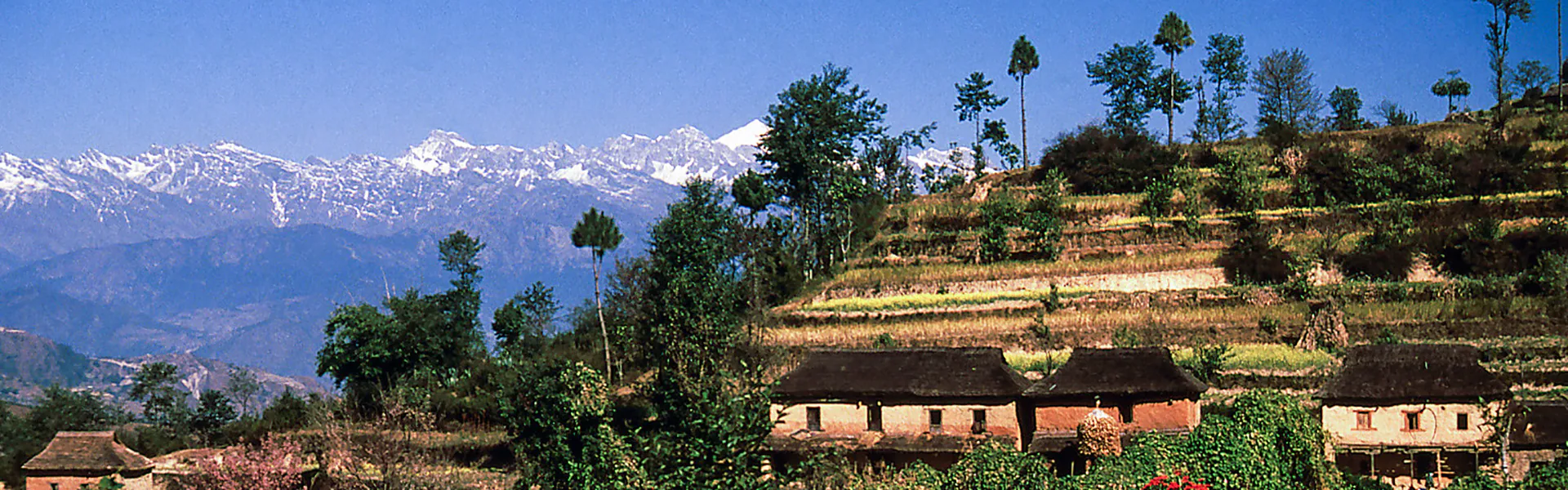
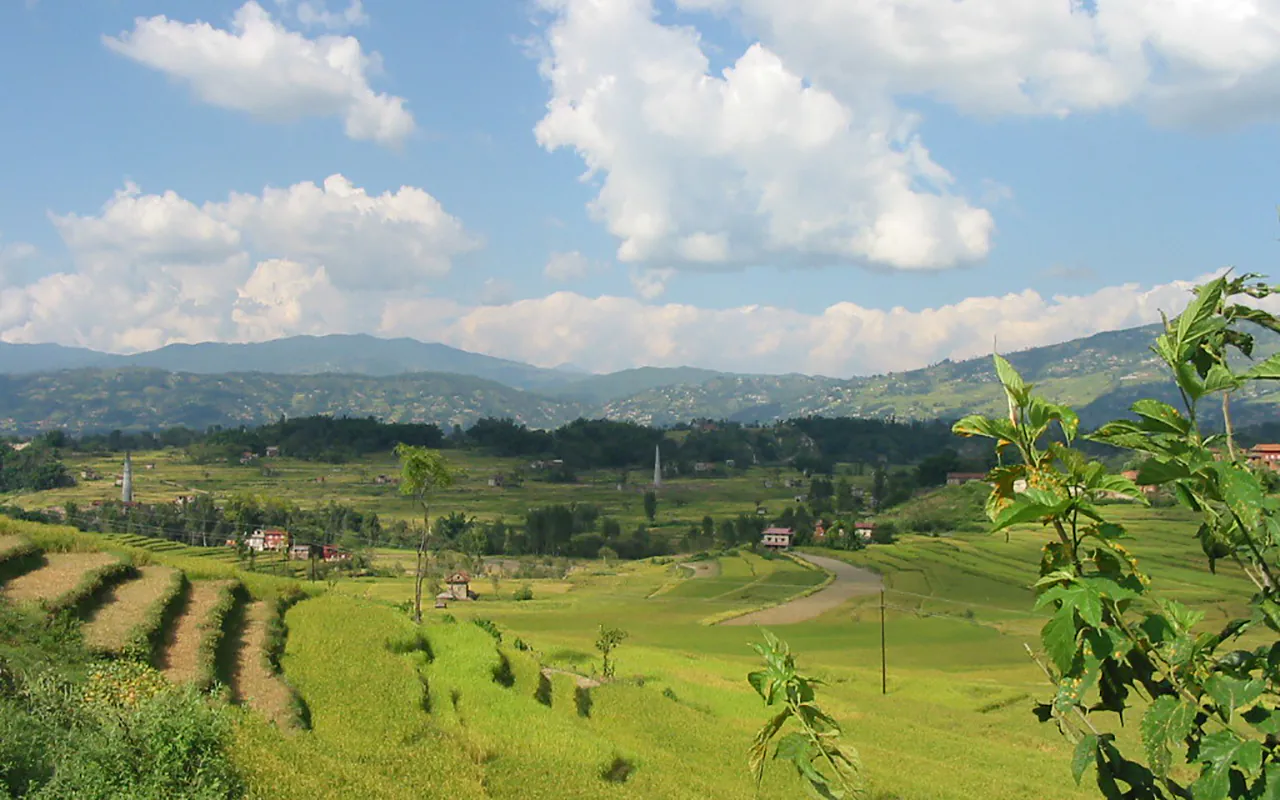
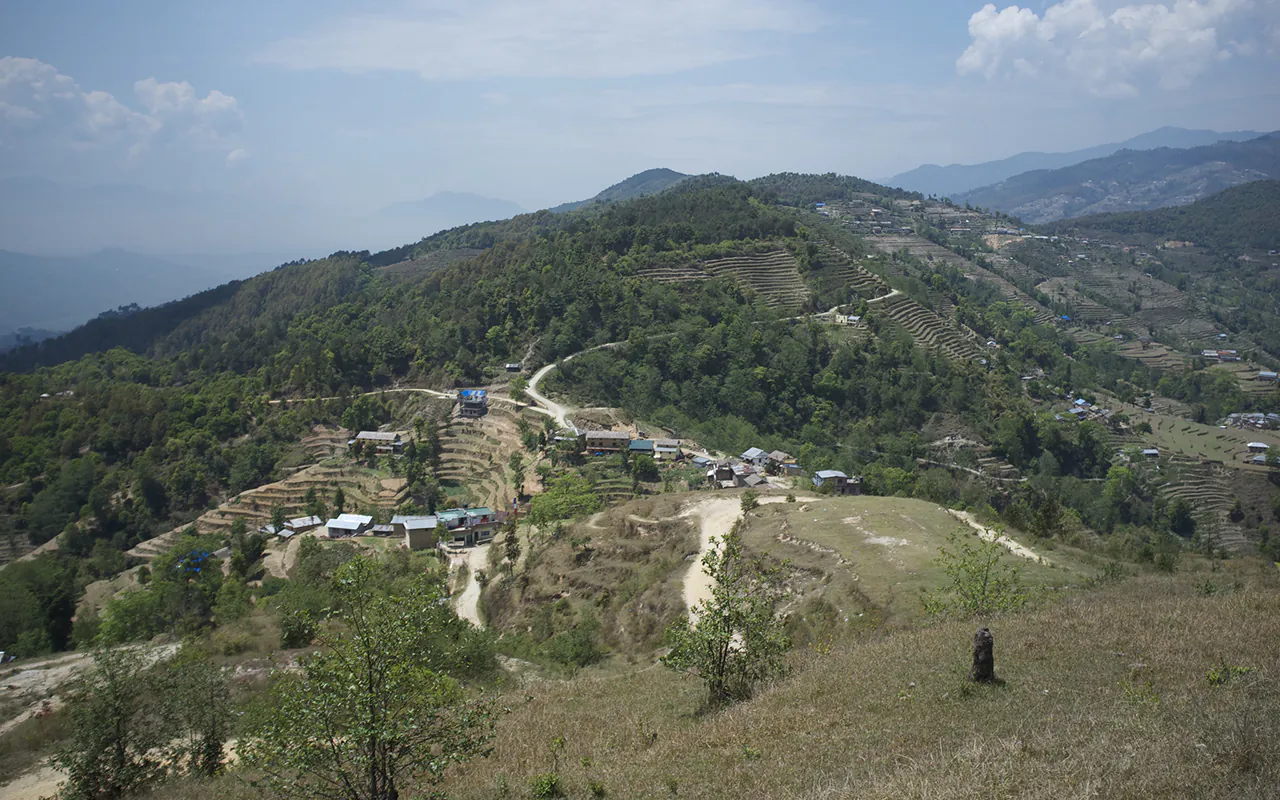
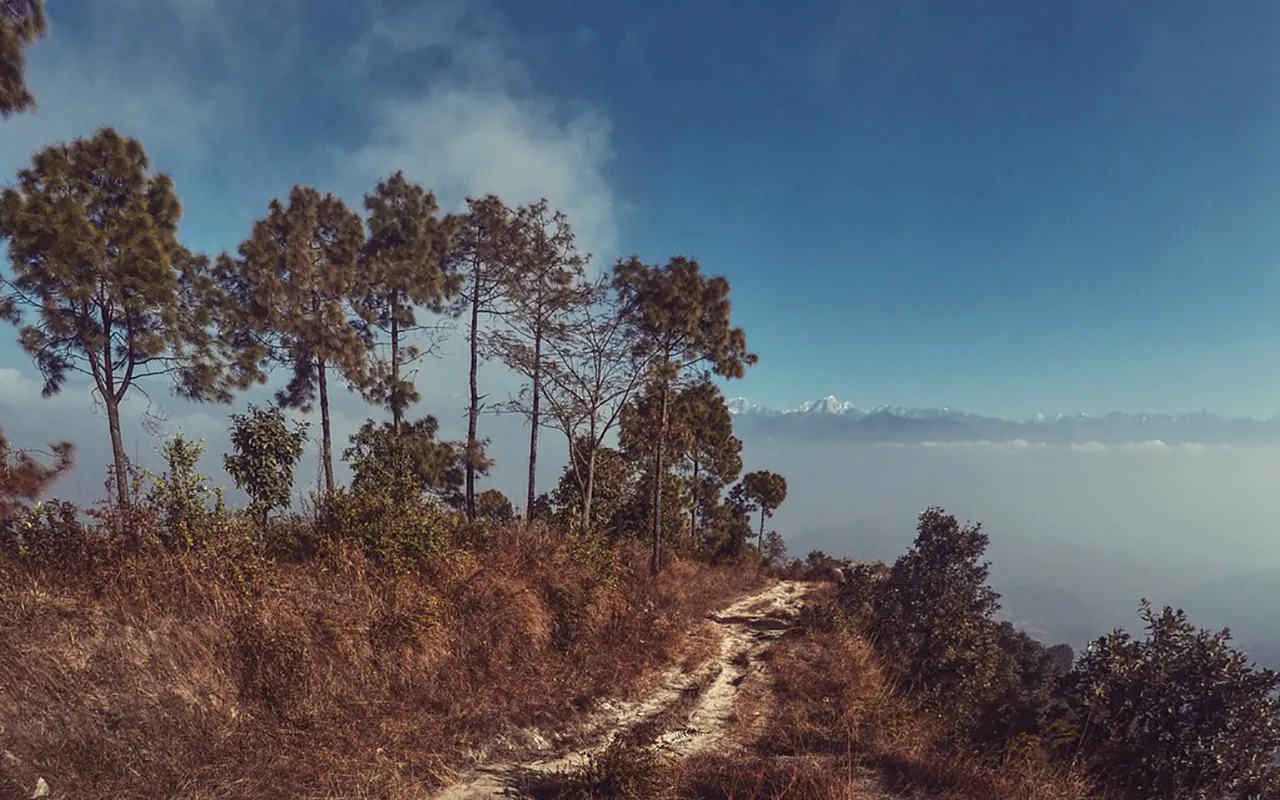
The Nagarkot Dhulikhel Mountain View Hiking trek keeps you out of Kathmandu for a whole day through rolling hills, woods, local hamlets, and views of distant mountains. You’ll need to leave your hotel at dawn then head to Nagarkot (around 2,175 meters up) via vehicle arranged by the company, then walk downhill toward Dhulikhel (roughly 1,550 meters). As you go, expect patches of pine and rhododendron trees, fields under cultivation, tiny settlements, stepped farms, scattered homes. Footpaths shift between wild landscapes and inhabited zones. When skies stay open, glimpses of high Himalayas might show along the ridge.
This path fits right if you’re after a quick day trip out of Kathmandu. No tough mountain climbs here. You get greenery, traditions, along with everyday village scenes. Expect rolling hills and valleys that shift between woods, crops, hamlets ending in an old settlement down below. If you are near the capital, this Nagarkot to Dhulikhel walk is a great choice. It offers fresh air and a change of scenery without difficult hiking or complex scheduling.
Meanwhile, skip thinking this as climbing a peak. This walk’s got just a small change in height, mainly heading down from Nagarkot toward Dhulikhel. Anyone fairly active can handle it without stress.
If you enjoy quiet strolls, glimpses of rolling hills plus the Himalayas, rural life, or wandering toward Dhulikhel’s shrines and historic lanes, this trek offers a mellow mix. Keep hopes realistic as mountain views might stay hidden, trails can get uneven, local spots could seem basic. However, it’s a great choice for a quick escape near Kathmandu.
04:30–05:00 – Get picked up at your hotel in Kathmandu.
Starting very early means you will arrive at Nagarkot before the sun comes up (dawn).
05:00–06:00 / 06:30 – Head out to Nagarkot by road.
That ride usually lasts about an hour or a bit more, depends on how heavy the traffic is and what shape the roads are in.
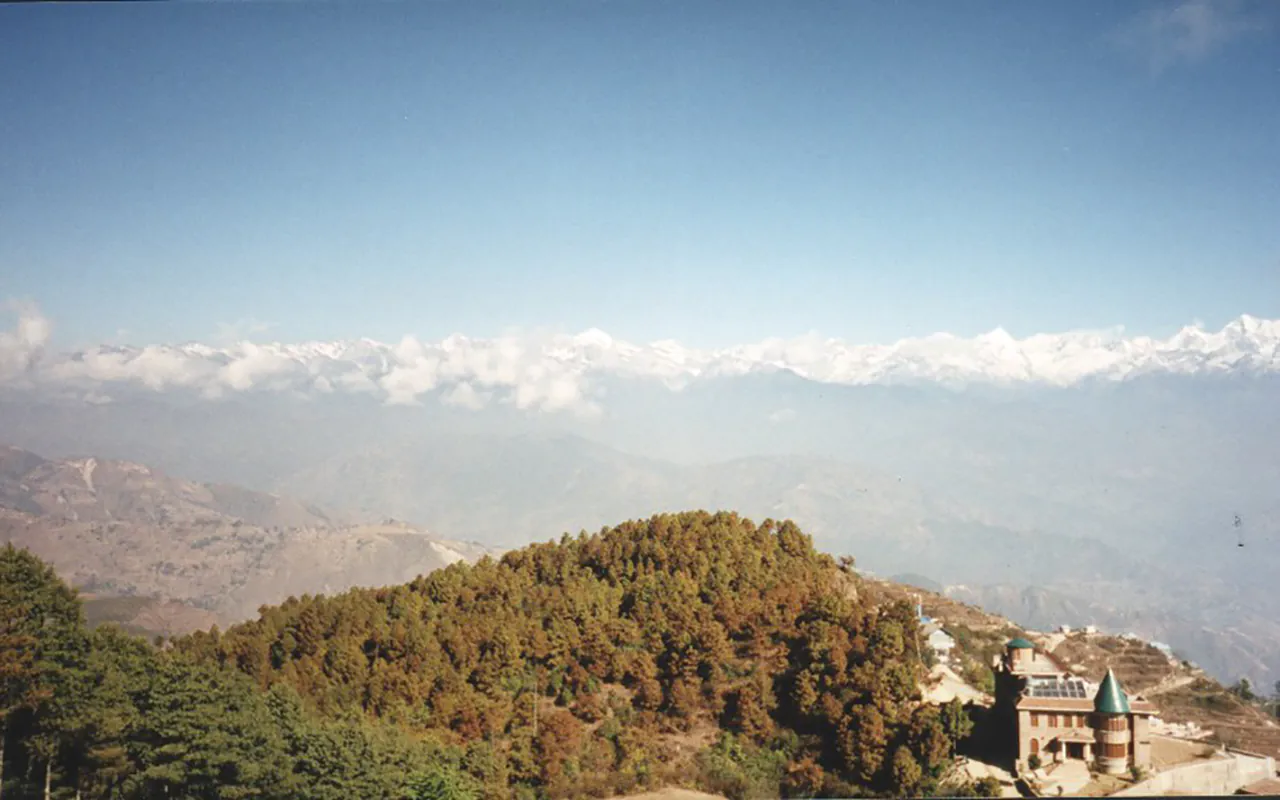
06:00–06:30 – Catching sunrise, also checking out the scene from Nagarkot’s lookout spot.
Catch a glimpse of the Himalayas or breathe in fresh morning mountain air.
06:30–07:30 – Eat breakfast in Nagarkot, maybe at a small local spot or roadside cafe.
Begin strong, pour some water, take it easy before you walk.
07:30 – Head out on foot, making way to Dhulikhel.
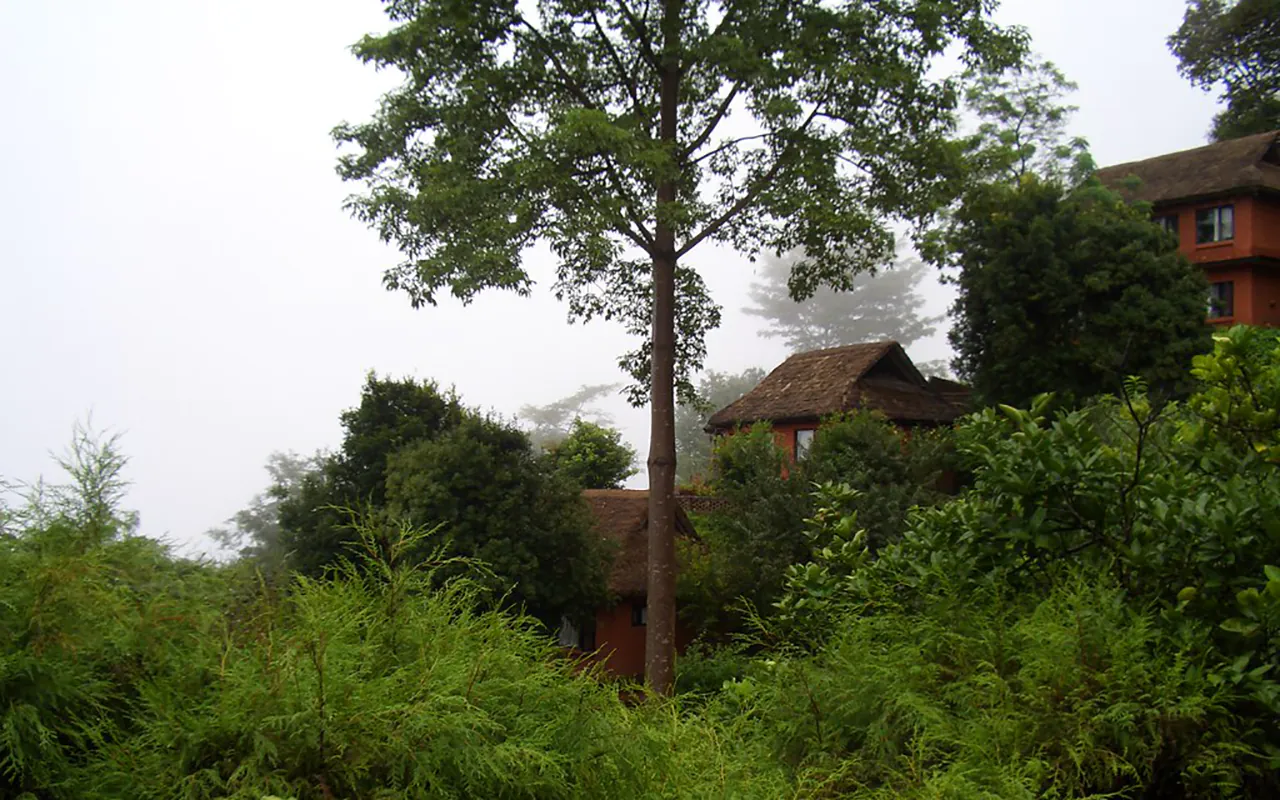
The path winds downward, slipping past trees, then fields, then homes tucked close together.
09:00–11:00 – Head into the woods, pass small farms, follow dirt paths downhill slow but steady.
Walk across stepped farmlands, tiny villages, perhaps a farm here or there along dirt trails.
11:00–12:30 – Get to Nala or Banepa spot, could also pause at a village halfway.
Take a break, check out how people live here, perhaps try some homemade treats or talk with locals around, if things line up right.
12:30–13:30 – Get to Dhulikhel, then grab lunch and take it easy.
Choose small, local restaurants over large chains, especially those found on side streets. Try the traditional Newari dishes, or stick to Nepali basics like dal bhat or momos. Don’t forget to grab fresh snacks from street carts.
13:30–14:00 – Check out Dhulikhel’s town center, or visit a temple or historic site if you like. A quick stroll through old streets or nearby spots gives you a sense of how the place feels. You will see mountain and hillside views from elevated spots.|
14:00–15:30 – Head back to Kathmandu by car.
Head back to where you’re staying.

Note:
If you have a private group and prefer a personalized experience, we can organize a custom trip tailored to your requirements and group size, running it any day you choose.
Walking slowly, stopping often, or exploring villages will add time, perhaps wrapping up in the late afternoon.
I’d say the Nagarkot Dhulikhel trek is more on the light side, though it gets a bit tricky now and then.
Trail signs can be hard to follow at times. In certain spots, you’ll have to ask villagers where to go, particularly close to settlements. Setting off late or getting lost might push your trip longer or even force a surprise night outside. A seasoned team once took the wrong turn, stretching their walk past one full day.
The mountain sight totally depends on how the weather’s acting, haze from Kathmandu, fog, or drizzle can hide everything. Clouds roll in no matter the time of year. You might catch a glimpse, but don’t expect the perfect picture you see in magazines.
Paths sometimes go through farmland or villages, behavior and respect matter so avoid disturbing fields, use local norms, avoid littering.
If it rains, forest or farmland tracks may get slippery. Good shoes, slower pace, and watching your steps is important.
Driving from Kathmandu to Nagarkot, then back via Dhulikhel means extra time off the trail. Road issues or heavy traffic might push things behind schedule.
If I got a free day and felt like escaping the city noise, get fresh mountain breezes, also spotting green slopes or if real lucky, snow peaks, I’d go for the Nagarkot to Dhulikhel trek. This route packs different flavors, morning light on ridges, paths through woods, quiet rural life, terraced fields, distant summits (weather permitting), then wraps up in a cozy hill town. No need for top shape, fancy kit, or booking weeks ahead.
Still, I’d head out without high hopes. Not looking for epic mountain views or some flawless woodland getaway. Just a basic trail through valleys and small towns, little trekking, moments of peace, also a peek at countryside living. If I’m hanging out with loved ones or just some friends who like light walks, this one works fine.
Difficulty
Easy
Duration
2-16
Duration
1 Day
Best Time
Mar - May, Sep - Nov
Max Alt
2,175m (7,136ft)
You don’t need any extra paperwork for this route. Instead of passing through protected areas, the Nagarkot Dhulikhel trek winds past local farms, small woods, and rural settlements before reaching Dhulikhel. Since it skips national park land, there’s no mandatory pass. A lot of guides offer it as just a one-day walk.
Not exactly. Locals and travelers often walk the path between Nagarkot and Dhulikhel. Hiring a guide can make things easier especially when you don’t know the place with directions, stories from the area, maybe even shorter travel time. If you follow the signs, be aware that some spots are confusing or unclear. Local people often know the route better than the posted signs, so ask them for help if you get stuck.
Yes, the trail’s mostly doable, sometimes a bit tougher. A bunch of travel guides call it a walk-in-the-park kind of trek.
Hikers need to expect several hours on foot around five or six of walking on varied ground, bring plenty of fluids just in case. If going with little kids or older people, go at a relaxed pace, pause now and then, and watch your steps on the woodland trails, as the surface can be unpredictable.
No, when the skies are clear, you may see the distant Himalayas. However, what you actually see depends on the weather, things like mist, clouds, or haze. Often, these conditions block the big peaks, and you will only see the nearby green hills. Remember, seeing the snow-capped mountains is a nice surprise, not guaranteed.
It’s hit or miss. In Nagarkot, where you begin and Dhulikhel at the finish, there are guesthouses, little eateries, spots for food. Along the path, which runs through woods, farms, and villages, places to buy things might be few or shut down. So it makes more sense to bring your own drinks and snacks, particularly when setting off before sunrise.
You might stop at a village halfway say, Nala or Banepa rather than pushing through to Dhulikhel. Some tour companies show Nala or Banepa as shorter finish points to cut the trek down.