
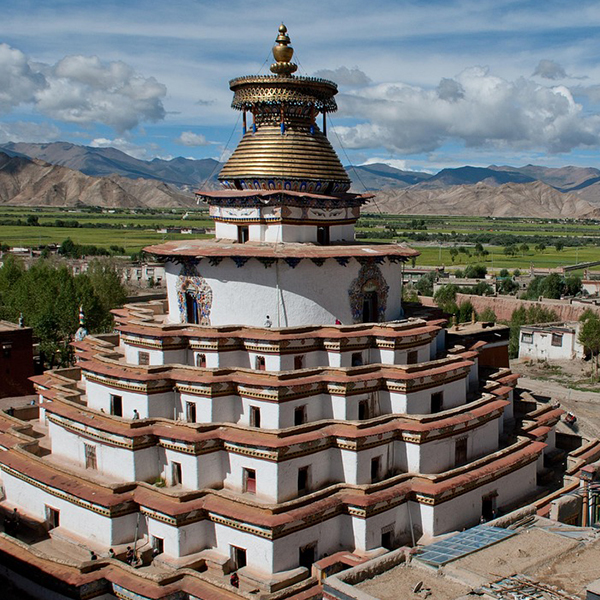
Nepal Bhutan Tibet Tour – 13 Days
TOP
SELLER
SELLER
Budget

Difficulty
Easy

Duration
2-16

Duration
13 Days

Accommodation
Comfortable 3-star hotels

Best Time
Mar - May, Sep - Nov

Need Help?
Talk to
trip expert


Trek Overview
Picture this: you open your eyes to golden light spilling over red-tiled roofs in Kathmandu, smoke from temple sticks curling through the air, while ahead lies a path winding deep into mountain spirituality, first Nepal, then up into Tibet’s thin skies, finally slipping into Bhutan’s quiet green folds. Travel these lands to see untouched traditions come alive not just old stone sites or cliff-side prayer halls, but villages where time moves differently, and wide flats where wind shapes silence.
In one go, you’ll spot old temples, castles from centuries ago, sweeping mountain views, also quiet holy spots. You’ll feel Nepal’s busy alleys along with its soulful vibe, Bhutan’s peaceful hills along with age-old customs, then Tibet’s towering plateaus together with sacred prayer halls. Looking for a journey mixing heritage, thrill, inner depth, and real connection to land, this trip brings all of it.
A Nepal Bhutan Tibet trip mixes three unique Himalayan cultures. Though near one another geographically, each place lives by its own past, faith, and everyday pace. Traveling across all three gives you a full glimpse into this mountain region’s soul. For thirteen days, explore old temples on foot, connect with people holding onto age-old ways, while peaks tower around always present, always shaping life here.
The journey begins in Kathmandu. Around the basin, ancient spots mix with crowded bazaars, spots where worshippers gather from faraway places. Once you’ve taken in Nepal’s old heart, a short flight takes you to Bhutan instead. There, quiet temples sit among tree-covered hills, a place built on calm living rather than fast progress. You check out old forts perched over flowing rivers, sacred temples packed with spinning prayer wheels, while hiking through the rolling hills near Paro and Thimphu. Once you leave Bhutan behind, your path shifts toward Tibet. Up there, on a vast elevated plain, stands the towering Potala Palace overlooking Lhasa city. Inside these remote monasteries lies deep knowledge passed down across hundreds of years. As you trek along rugged trails linking one site to another, endless stretches of wild terrain unfold around every turn.
The trip mixes seeing sights, local life, and gentle walks. There’s room to dive into the history of every spot instead of hurrying on. It’s built for those wanting to explore the Himalayas bit by bit. When you’ve searched for a path showing sacred spots, traditions, and wild nature together, this 13-day route fits just right.
Trip Highlights
- Explore UNESCO sites in Kathmandu, including Boudhanath, Pashupatinath, Swayambhunath and Kathmandu Durbar Square
- Stroll through lanes filled with classic Newari houses
- Fly over the Himalayas to Bhutan for a scenic arrival into Paro
- Visit Paro Dzong, Kichu Lhakhang, and other historic temples
- Spend a while at Thimphu’s temples or workshops, check out how locals shape wood, weave fabric, then wander through quiet prayer halls lit by butter lamps
- Hike to the Tiger’s Nest Monastery, Bhutan’s most iconic viewpoint
- Experience the landscape of the Tibetan Plateau
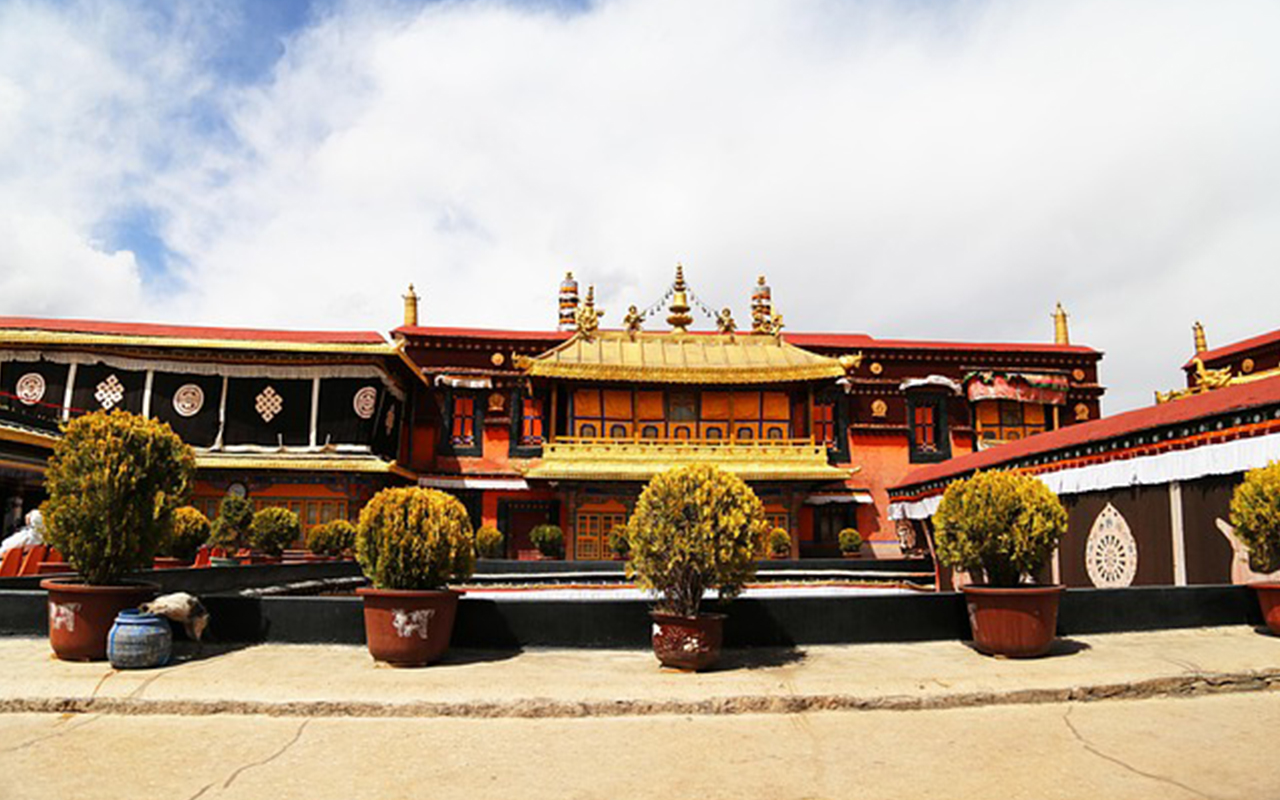
- Visit Jokhang Temple, Barkhor Street and the Potala Palace in Lhasa
- Explore Sera and Drepung Monasteries, two important centers of Tibetan Buddhism
- Travel through three Himalayan regions in one journey
- Strolling through local spots, then checking out historic sites and with time to get used to the altitude along the way
Trek Gallery
Day-by-Day Itinerary
1
You land at Kathmandu airport, then get greeted by our team member. Soon after that brief hello, they’ll take you to your city hotel. Use tonight to unwind, have a calm meal while getting used to the vibe around. The alleys here pull you in with old-school flavor mixed with nonstop life, a cool way to start things off. The hotel is where we’ll rest.
2
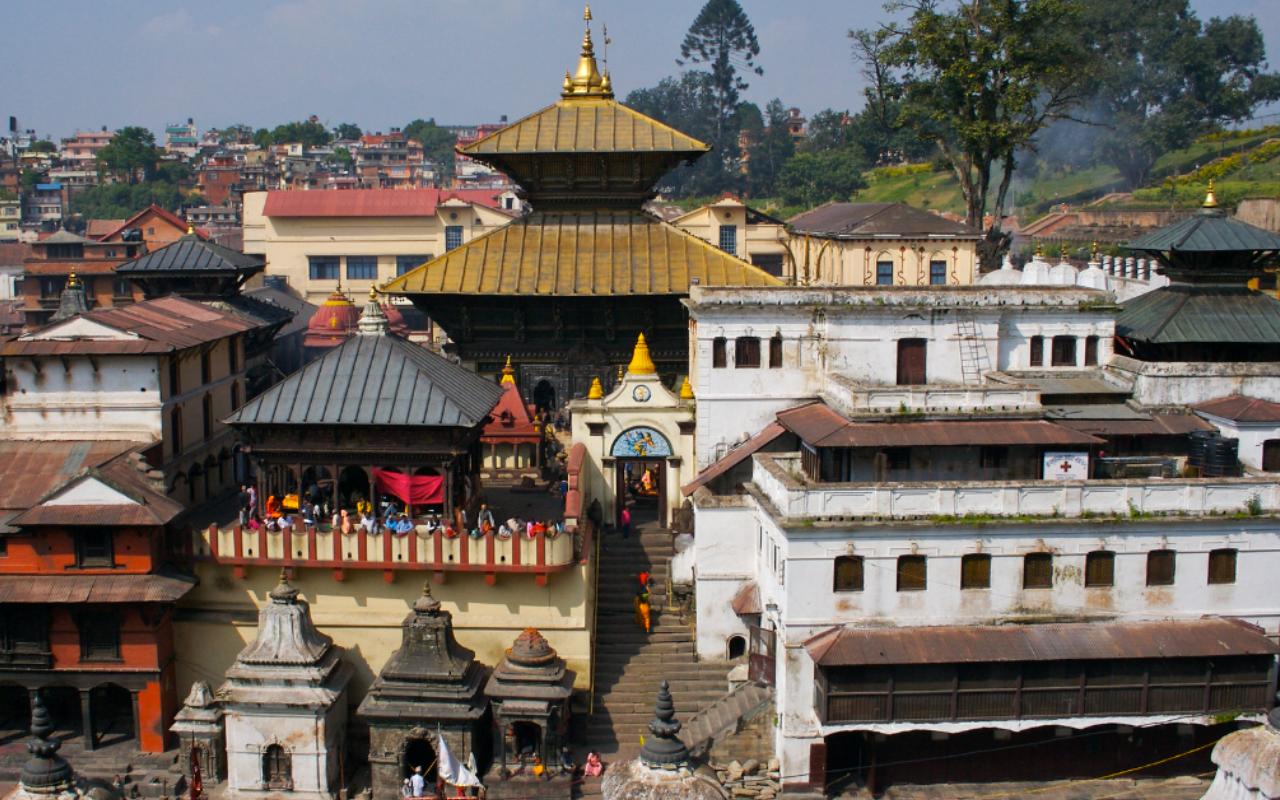
Begin your morning at Pashupatinath Temple, among Nepal’s holiest Hindu sites, sitting beside the sacred Bagmati River. Watch ceremonies unfold, see people by the river steps, notice their peaceful focus. After that, make your way to Boudhanath Stupa, a huge whitewashed mound topped with gold spires, deeply revered in Buddhism. The vibe here is serene, reflective, drawn inward.
In the afternoon, head to Bhaktapur Durbar Square, an old town alive with history, where tight lanes lead to open spaces filled with aged palaces, shrines, or homes made from wood and red brick. Craftsmanship by Newari artists, quiet inner yards, yet a feel stuck in time give this place its charm like an outdoor exhibit you can walk through. Then go back to Kathmandu for sleeping at the hotel.
3
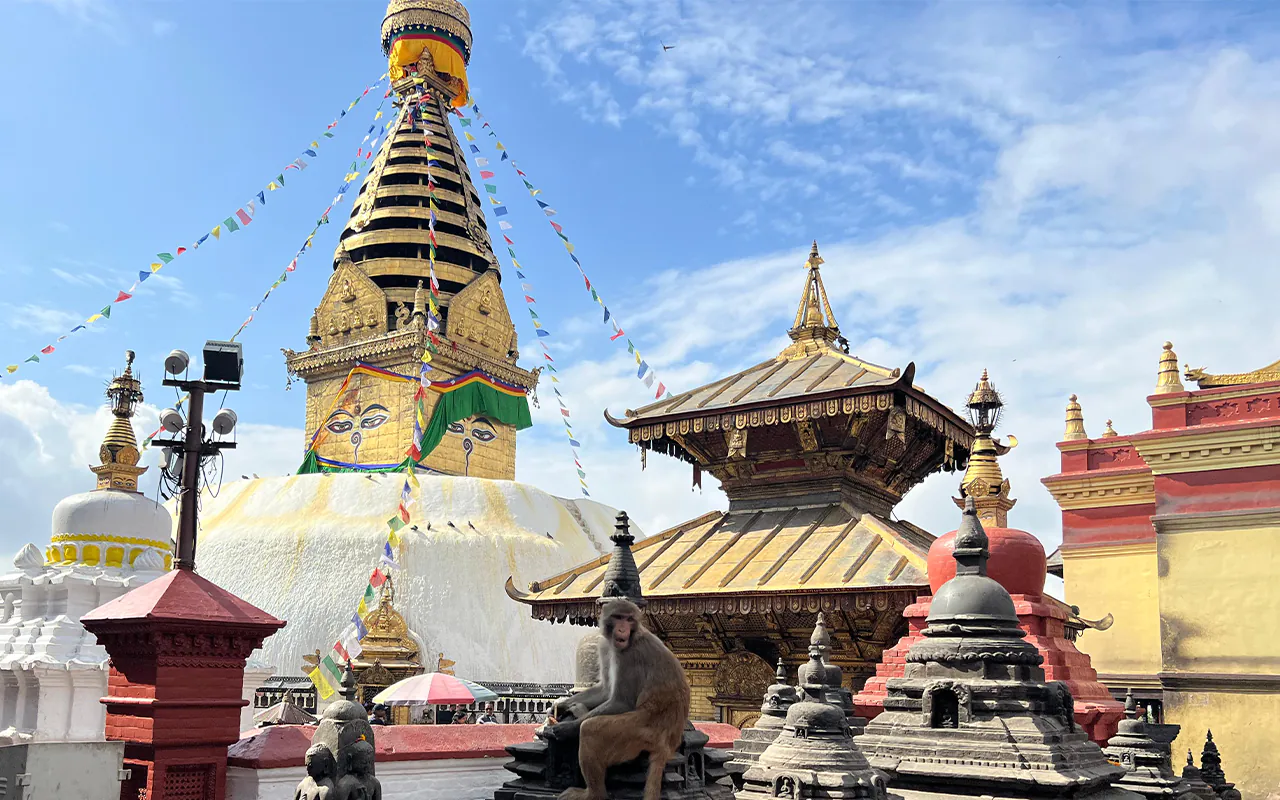
Today’s trip heads to Swayambhunath Stupa, also called Monkey Temple, sitting high on a hill, giving wide-open sights across the Kathmandu Valley, complete with spinning prayer wheels, playful monkeys, colorful flags flapping in the wind, alongside weathered stupas. Next up, wander down into old Kathmandu’s core: Durbar Square, filled with crumbling palaces and shrines that whisper stories of past kings, age-old customs, along with the spirit of the city’s roots.
Later on, head over to Patan Durbar Square in old Patan, a place known for craftwork, buildings with character, and calm inner spaces. The shrines here along with classic Newari design feel more laid-back, creative, up close. After that, go back to where you’re staying in Kathmandu to sleep for the night.
4
Start with an early flight from Kathmandu to Paro’s airport in Bhutan. Once there, meet your guide who’ll take you straight to Thimphu, the calm heart of the country. Settle into your room, then unwind as the day fades, perhaps stroll through town or grab a warm meal nearby. We’re sleeping here tonight.
5
Now you’ll check out Thimphu Valley, where old-school Bhutan vibes blend with soft mountain views. Stroll around town, peek at neighborhood spots, chat with warm folks, while catching the quiet rhythm. Later in the day, head back to Paro. You’ll be sleeping at your lodging in Paro.
6
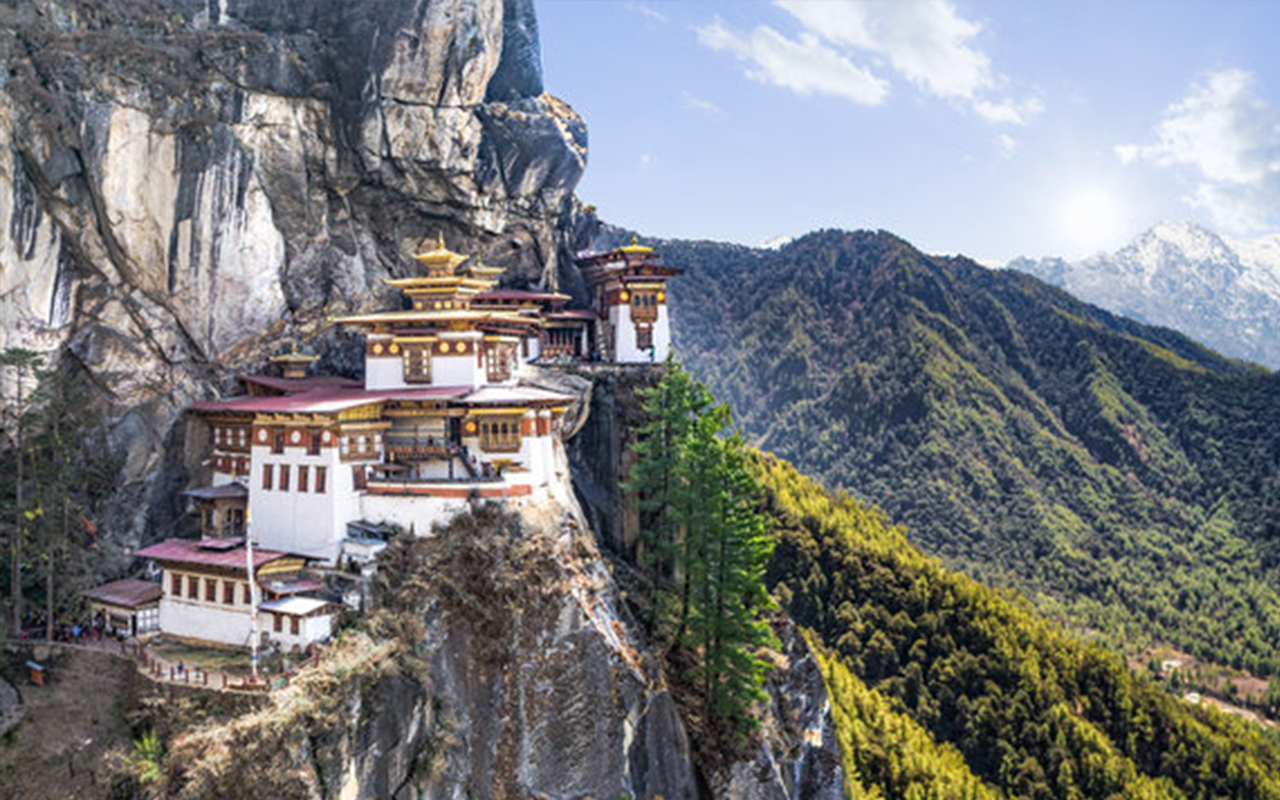
The absolute must-do in Bhutan? Hiking up to Tiger’s Nest. It’s basically glued to a sheer cliff face high above Paro Valley. As you climb, expect trees, peaks, colorful prayer flags flapping in the wind, and a deep sense of peace settling in. Once at the top, take time to soak in the wide-open views and just breathe it all in. In the later hours, slow down with some casual exploring around Paro valley. Check out small shrines, wander through peaceful hamlets, you’ll see some beautiful sceneries. Spend the night right there in Paro.
7
Fly from Paro straight to Kathmandu. When you arrive, take it slow, maybe wander around local markets, grab a bite of street food, or just look for small souvenirs. This break helps gear up for what’s ahead: heading into Tibet soon. Sleep again at your place in the city.
8
Catch an early plane from Kathmandu to Gonggar Airport in Tibet, followed by a ride to your lodge in Lhasa. It sits at roughly 3,650 meters high. Spend the night at a cozy place with basic comforts. Take it slow, drink water, relax, let your body adjust. Being this high might hit hard at first, still, the calm views and crisp breeze give a taste of what’s coming. Sleep again at the hotel.
9
Your first day in Tibet kicks off at the Potala Palace – perched on Red Hill, it overlooks the whole city. To get to the front door, you walk up a string of steep stairs. Once inside, old chapels, wide halls, and quiet rooms tell stories from hundreds of years ago. Each space carries deep spiritual roots.
Later, make your way to Jokhang Temple – this spot is one of Tibet’s main Buddhist spots. Visitors circle around Barkhor Street, turning prayer wheels while brushing temple walls during prayers. Instead of just watching, you get near-up views of daily Tibetan culture here.
10-11
Over the next couple of days, dive into Tibet’s soul, its deep history and living faith. Check out the grand Potala Palace, tall red-and-white walls, shiny gold rooftops, wide sights across Lhasa Valley. Move on to Jokham Temple as it’s sacred ground for most Tibetan Buddhists. Stroll through Barkhor Market where tight alleys buzz with locals, spinning prayer wheels. You see monks in robes and dedicated pilgrims, and everyone’s just buzzing with energy.
Peek at well-known monasteries such as Drepung, spots full of belief, learning, ancient ways, monks chanting, turning prayer wheels, quiet courtyards, deep personal calm. Then head to Sera, similar vibe but its own rhythm. Walk around Norbulingka Palace too, the go-to summer home for Tibet’s spiritual figures, full of green spaces and history feels. We’ll be sleeping in Lhasa for two nights.
12
Morning trip by air from Lhasa to Kathmandu, stopping at Gonggar along the way. Once you’re back in the city, we’ll have some free time. Use it to pack your bag, grab some souvenirs/gifts, savor one last mountain-flavored dish, or wander old streets that feel like home now. We’ll be sleeping at the hotel again.
13
Your day wraps up now. Once you’ve eaten and packed up, they’ll take you to the airport so you can leave Kathmandu, bringing along recollections of old shrines, Tall, rugged mountain ridges and those peaceful, quiet prayer halls, yet an adventure through three nations near the Himalayas.

Note:
If you have a private group and prefer a personalized experience, we can organize a custom trip tailored to your requirements and group size, running it any day you choose.
Trip Information
Why This Tour Is Worth It
- Different cultures on a single trip: Nepali temples alongside towns with a lot of hostory, then Bhutan’s green valleys with its quiet monasteries, followed by Tibet’s mountain soul and raw calm.
- Spiritual vibes meet old-school history: step into holy Hindu temples, timeless Buddhist stupas, quiet monasteries, or royal palaces rooted in countless eras and beliefs.
- Stunning Himalayan shifts: The trip starts down in Kathmandu’s basin, moves up through Bhutan’s ridges, and finally climbs into the really high parts of Tibet. Every section gives you something new, different land, bigger mountains, closer looks at local life, and these huge, peaceful, untouched open spaces.
- Fuss-free trips: we sort out paperwork, border passes, stays, rides, tour helpers, food most days, also entry charges. Simply arrive ready to start the adventure.
- A real taste of multiple Himalayas: perfect if you’re after something beyond just one nation. This journey links Nepal, Bhutan, and India through deep local moments instead of quick stops. It’s travel that feels alive because it follows culture, not checklists.
Practical Tips & Advice
- When you’re thinking about going to Tibet, keep in mind the group visa requirement, get your crew together early so there’s enough time to send passport scans, aim for 3 or 4 weeks prior to leaving.
- Pack light for warm valley days, places like Nepal or Bhutan but throw in some extra layers cause nights get cold once you reach Tibet’s high ground. Thin air up there means temps drop fast, so bring a solid jacket even if it feels fine at first. Carry sunscreen in your bag, sun burns harder at altitude. Mix breathable shirts with cozy pieces that trap heat when needed.
- Give your body a chance to adjust once you hit high ground like Tibet. Drink plenty of fluids, go slow on Day 8 when you land in Lhasa and skip tough workouts right away. Instead, relax and let yourself settle in naturally.
- Wear simple clothes when visiting temples, locals appreciate it. Behave calmly around monasteries since people there value peace. Show care for old ways without making a fuss. Communities notice your attitude, so stay humble.
- Plan your money wisely, although plenty of expenses are taken care of, things like certain meals, travel insurance, tips, or small personal buys fall on you.
TOP
SELLER
SELLER
Difficulty
Easy
Duration
2-16
Duration
13 Days
Accommodation
Comfortable 3-star hotels
Best Time
Mar - May, Sep - Nov
Got questions?
Frequently Asked Questions

General
The top time runs from March through May, or else September to November. You’ll find sunny days, nice weather, also you can actually see the mountains well. Festivals show up across Bhutan when spring hits, while autumn brings clearer events. Out in Tibet, the wide open plateaus just sit quiet during these months.
True, because Lhasa’s altitude crosses 3,500 meters, a few people might get slight headaches, feel tired, or dizzy. Take it slow when arriving, rest up that first day while drinking plenty of water instead. Skip the alcoholic beverage, go for simple food, it makes a real difference. The guide with you will check in now and then.
You’ll need:
- A Nepal visa offered at the airport for many travelers lets you enter easily
- A Bhutan visa handled by the travel company once they get your passport, scan along with a picture
- A Tibet group visa and Tibet Travel Permit processed in Kathmandu
Every visa comes with different rules, which means getting ready ahead of time really matters.
Most times it’s about five or six workdays in Kathmandu. The Chinese Embassy holds your actual passport then while needing at least four people together so they’ll approve the permit.
No, both Bhutan and Tibet make visitors book trips via approved local agencies. Instead of going solo, you’ll need a guide and a set schedule. Private transport comes included under their rules. Each area runs on structured tours by default.
The package usually comes with cozy 3-star stays in Nepal, Bhutan, and Tibet. Rooms stay neat, secure, also easy to get around from. In Bhutan or Tibet, places might seem more basic compared to bigger Nepali hotels, yet they still bring friendly service plus what you need.
Daily breakfast’s taken care of in Nepal and also Tibet. In Bhutan, you get all meals, breakfast, lunch, dinner covered each day. For lunches and dinners in Nepal or Tibet, you’ll pay yourself unless noted different somewhere else.
True. Since you’re crossing several borders, catching planes, plus heading into high-elevation zones, it’s smart to have coverage that handles health crises, problems from thin air, or sudden changes in plans.
It’s a steady climb up, lasting about five hours there and back. The path stays clear and tidy, so visitors like you with normal stamina usually manage fine. Move as slow or fast as feels right – scenery along the way makes it worth every step.
International airfares aren’t part of the base price. Instead, trips like Kathmandu to Paro, Paro back to Kathmandu, or Kathmandu to Lhasa must be arranged on their own unless your deal clearly says it covers them. Best check while you’re reserving your spot.
Right. Every nation supplies trained guides fluent in English, people familiar with traditions, heritage, local habits, also how things work there. These folks will stick with you through excursions, moves between spots, in addition to key attractions.
Cash in USD works well when traveling. In Nepal, you can pay with dollars at lots of spots though Bhutan uses ngultrum and Tibet yuan. Outside big towns, machines that give cash aren’t always around or cards might not work, so bringing money makes things smoother.
Most people’s food needs work fine, especially in Nepal or Bhutan. In Tibet, choices are more basic, still, veggie dishes aren’t hard to set up. Just tell your guide ahead of time.
This varies by person, yet food across Nepal and Tibet, alongside drinks, small buys, souvenirs, or tipping tends to add up. Most folks manage daily extras on about $20 to $40.
Tipping’s optional, yet it means a lot to guides or drivers. A small gesture like this shows you noticed their effort. Ask your operator, they’ll tell you what’s typical around here.
Many tour providers let you tweak things. Pick extra Kathmandu days, swap sightseeing paths, or toss in cultural spots if it suits your vibe.
No. It’s a well-known spot, yet some just walk partway to take in the scenery. You’re free to pass if you’d rather. Plenty do.
Group sizes change depending on the trip. Yet some folks like going solo instead of joining set tours. Small crews mean you can move at your own speed.
Yes, if they can walk a bit and handle high elevations. A lot of older visitors finish it without trouble.
 Permits
Going to Tibet is nothing like just showing up with a passport. Since it’s inside China’s Tibetan Autonomous Region, paperwork gets trickier. You’ll need special permission on top of your visa. No shortcuts here. This breakdown keeps things straight to the point without creating any confusion.
Required Documents
To apply for a Tibet group visa and permit, travelers must prepare and submit the following:
- Send a sharp photo of your passport’s info page no later than three weeks prior to leaving. That way, the tour company can file the needed paperwork without rushing.
- Bring your real passport along when your team gets to Kathmandu. Without it, they can’t sort out the visa stuff.
- A small photo like a passport size with white backdrop, head facing forward, glasses off, keep your face relaxed, don’t smile.
- Fill out the visa form ahead of time or follow your travel agent’s advice on when to do it.
Visa Processing in Kathmandu
- Due to regulations set by the Chinese embassy in Nepal, you need at least four travelers for a Tibet group visa. If you’re on your own or only with one other person, securing this type of visa usually won’t work.
- The group visa plus travel permit in Kathmandu usually gets done in around five or six weekdays like Monday through Friday but sometimes it shifts a bit depending on how things move at the office.
- You’ll need to bring your actual passport once you get to Kathmandu, visa steps start there.
- Since guidelines shift now and then, it’s smart to check current details with the embassy or your travel agent before you book.
In short: get your passport copy plus picture ready early, go with a small crew, four at least, hand in every paper without delay, then leave plenty of days for the permit to clear in Kathmandu. The trip organizer takes care of forms, keeps things legit and hassle-free.
 Insurance & Visa
Getting into Bhutan means following tight tourist rules based on their “spend more, come less” approach. Tourists usually aren’t allowed to wander solo, instead, trips need to be arranged using approved Licensed agencies. Staying in registered places is a must while moving around with official guides. Each trip sticks to fixed routes, follows set plans, plus meets all required paperwork steps.
Most foreign visitors need a permit along with a daily fee. Right now, that charge sits at $100 each night per traveler.
This cost backs Bhutan’s push for eco-friendly travel that is used in funding roads, nature care, heritage protection, or community services. This keeps the country clean, real, calm despite more visitors showing up.
Please keep this in mind, your passport needs to have at least half a year validity when you plan to enter Bhutan.


