
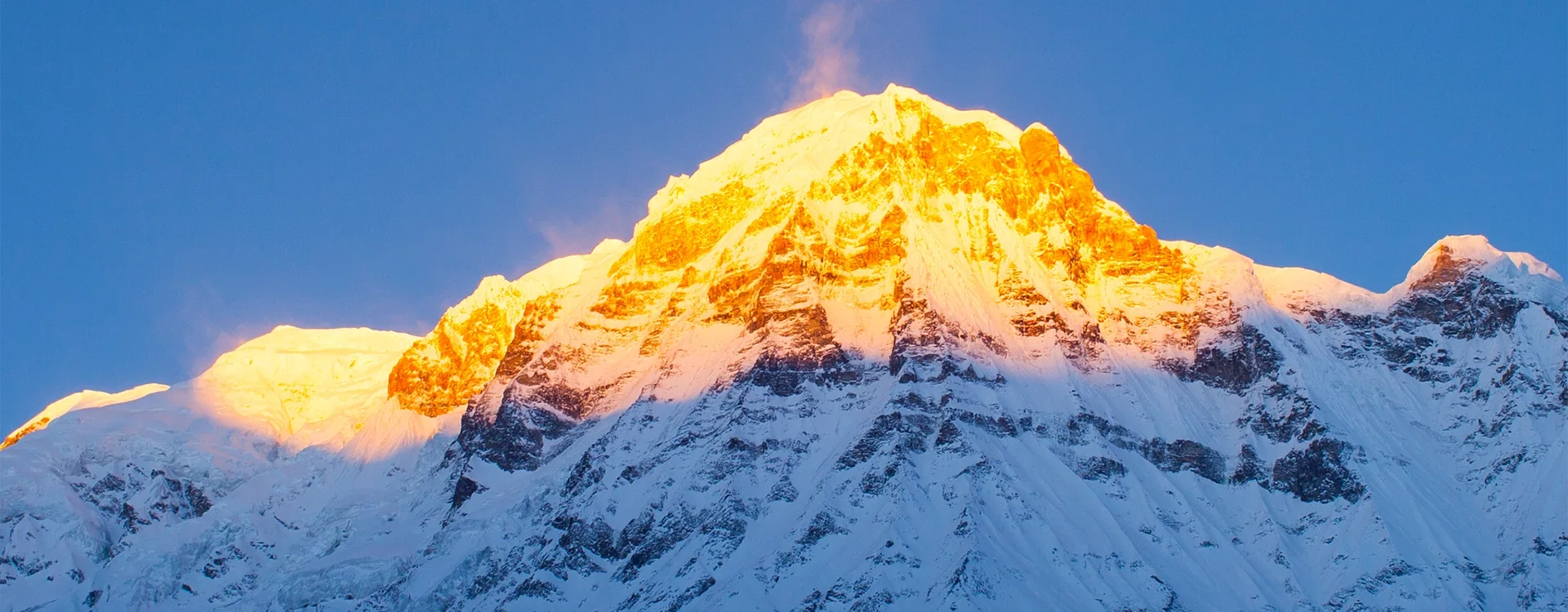
Upper Mustang



Trek Overview
The Upper Mustang Trek pulls you into a place that’s barely changed over the years. Back then, it was its own hidden kingdom now, old royal customs stay alive here along with strong Buddhist beliefs. Moving across this unique area, known as the Last Forbidden Kingdom, opens up views, ways of life, and stories totally different from any other spot in Nepal.
As soon as you step into Kagbeni, the starting point for Upper Mustang, things start feeling different. Moving ahead, the path climbs toward the Himalayas near Tibet, where rough desert walls, deep gullies, and vividly stained stone layers appear. Instead of rushing, you wander past small settlements, old prayer houses, and ancient homes carved into the cliff walls. These rare glimpses reveal a place shaped by Tibetan Buddhist life.
Moving on, you head into Lo-Manthang, the old fortified heart of the lost Kingdom of Lo. Old royal homes stand beside spinning prayer wheels. Tight passageways whisper tales of ancient rulers, along with traditions still alive now. Tucked far away in a distant corner, this quiet realm greets visitors with open arms.
Requirements of the trek
Becoming part of a protected zone means travelers need special permit to enter Upper Mustang and costs about $500. That’s why just a small group gets access annually, making the trip feel exclusive, almost like a rare chance few get. This rule helps safeguard local traditions, nature, while keeping history alive.
Folks hiking here need a special pass from ACAP (Annapurna Area Conservation Project) which is about $30 and $20 per person for TIMS (Trekking Information Management Systems) with no exceptions. Entry’s blocked without it.
The hike through Upper Mustang needs careful prep – after all, it was once a cut-off mountain kingdom. With seasoned guides leading the way along with strong porters, you’ll stay safe while moving comfortably from start to finish.
Highlights of the Trek
On this entire journey, you’ll see tough desert stretches mixed with wide mountain views. Rugged canyons appear alongside remote spots where green settlements pop up out of nowhere. Harsh sands connect to rocky heights through sudden patches of life. Each scene unfolds without warning dry flats shift into sheltered valleys by surprise. Far from ordinary, Upper Mustang brings a rare mountain vibe deep culture, old traditions – that sticks in your mind.
While many trails feel familiar, this place feels different somehow. Its past isn’t just told it’s felt in every quiet village. Not flashy, yet full of meaning, it pulls you in without trying. Stays along the path are simple yet welcoming, with cozy teahouses that stand out around here. Since the area holds unique customs, untouched Buddhist practices, also few wild creatures, it stays among Nepal’s least accessible spots.
Hiking around Upper Mustang drops you straight into old-time Lo Manthang life. Check out the ex-royal palace while wandering tight lanes whispering tales from long gone days. Besides, because this whole zone sits in the Himalayas’ dry side, you can hike easily so no need to stress over downpours messing up your trip.
On the path, you’ll notice a quiet spiritual vibe while walking past many monasteries, stone stupas, waving cloth banners each tied with prayers and hidden rock shelters carved into cliffs. All these holy sights move with you across terrain molded by generations of Tibetan Buddhist life. Folks here are kind, their calm vibe blends with a quiet sense of something greater makes the whole thing stick in your mind.
You’ll get a glimpse into local routines where age old customs thrive alongside buildings and celebrations shaped by Tibetan roots. What makes this trip special is the realness that comes from people living true to their heritage. As you move forward, stunning sights of Nilgiri pop up then Annapurna joins in, followed by Dhaulagiri; meanwhile, countless other towering peaks creep into view, so every stride brings something fresh to
Upper Mustang Trek Itinerary
Day-by-Day Itinerary
1
Head off toward Pokhara via bus through rolling hills and green valleys. The road sticks close to the Trishuli River, where you’ll spot people paddling along rapids under big mountain views. As you roll into town, Machhapuchhre rises sharply just ahead, standing tall above everything. After settling at your place, wander down to Lakeside later; maybe hop on a small boat across Fewa Lake or simply unwind before eating.
2
You kick off at dawn with a quick scenic hop to Jomsom’s snowy summits and the deep Kali Gandaki canyon greet your eyes. Moving on from there, trace the riverside trail heading for Kagbeni, weaving past arid, gusty terrains dotted with tiny villages. When you get to Kagbeni, slow down and check out the ancient monastery, tight winding lanes, plus houses shaped by Tibetan culture.
3
From Kagbeni, you step into proper Upper Mustang. Soon afterward, guards check your papers before the trail follows the Kali Gandaki River between steep rock faces and deep gorges. Beyond Tangbe a spot known for its pale washed homes and fruit trees you push on until reaching Chhusang for midday food. Later, after swinging across a hanging bridge, you hike uphill toward Chele, where the terrain turns rougher, feeling more like Tibet.
4
The trail today’s tough, yet the sights make it worth every step. Begin by heading up sharply to Taklam La Pass wide open scenes of Tilicho and Damodar Himal stretch out ahead. From there, the track winds through Samar village, weaving past deep cuts in the land until another climb begins toward Yamdo La Pass. By late afternoon, reach Syangboche, a peaceful spot tucked into broad, open hills.
5
You start by slowly climbing up toward Yamda La Pass, where colorful prayer flags wave in the wind. From there, the path winds past old-style settlements such as Gheling instead of rushing ahead. Along the route, you’ll see carved stone walls beside sturdy homes that show life shaped by Himalayan beliefs. After eating midday, the walk rises again this time to Nyi La Pass, the peak spot today. Then it’s downhill through rocky terrain until Ghami appears below, sitting tight against steep drops and holding one of the longest inscribed walls around.
6
Your day starts with a descent to a shaky bridge above the Ghami Khola. After that, you’ll pass rows of carved prayer stones while heading uphill toward Charang La Pass. Once in Charang, check out the ancient temple, crumbling fort, or wander through homes made the old way. Perched high on the edge of a broad gorge, the place is full of quiet sights worth taking in before bed.
7
You head down the trail into a deep canyon, hop across a rushing river, then make your way uphill toward Lo La Pass. At the summit, you’ll catch your first breathtaking glimpse of Lo Manthang – once the capital of the old Kingdom of Lo, surrounded by stone walls. Once there, wander the tight alleyways, check out centuries-old monasteries, or just take in the distant peaks like Nilgiri, Tilicho, and Annapurna.
8
Now you’ll head off toward Chhoser, where the well-known Jhong Caves also called Sky Caves are located. These caves are cut right into rock faces, stacked like floors in a building. They’re still puzzling even locals aren’t sure who made them or what they were used for. Bring your meal along, since you’ll be out all day checking out both the cliffs and hidden spots. Later, go back to Lo Manthang to rest up again.
9
You leave the walled town behind, then follow a quieter path across open meadows with bold rock faces on view. Head toward Ghar Gompa among the earliest spots tied to Guru Rinpoche for a short pause. This walk moves through calm hollows, slipping gently lower after that. Reach Dhakmar next, marked by vivid crimson rocks wrapped in ancient tales.
10
Once you’ve eaten, go back along the path crossing dry hills and wide flats. In case you didn’t see Ghar Gompa yesterday, now’s your chance. As you move toward the south, things start looking more lush. By late afternoon, you arrive in Ghiling a quiet village tucked on a calm hillside, home to an old monastery.
11
Head south again today, weaving past towering mountain gaps plus broad open valleys this time tackling Nyi La Pass one more time. Move through Gheling then Samar, spots you’ve seen before, yet the views feel fresh from every turn. The path eases downward toward Chhusamg there, milder temps show up alongside groves of apple trees and vivid stone shapes, welcoming you back into lower Mustang’s embrace.
12
Your last day on the trail begins with a relaxed stroll beside the Kali Gandaki River. After going through Tangbe, you swing back toward Kagbeni for a quick rest. Once you leave that spot behind, the path spreads into broader stretches of open riverland heading to Jomsom. Winds pick up in the afternoon, which makes hitting the road at dawn way more comfortable. Arriving in Jomsom, you settle into your guesthouse instead of staying busy, taking time to unwind during your final night in Mustang.
13
You catch a dawn flight to Pokhara. After checking in at the hotel, time opens up – maybe chill out, wander Lakeside shops, or toast your trek’s finish with mates. This calm lake spot is ideal for shaking off fatigue.
14
After breakfast, head back to Kathmandu by vehicle. Once there, go through check-in, then wander around Thamel, pick up small items, or chill with a warm drink. In the evening, meet up for a meal saying goodbye, wrapping up your journey through Upper Mustang.

Note:
If you have a private group and prefer a personalized experience, we can organize a custom trip tailored to your requirements and group size, running it any day you choose.
TOP
SELLER
SELLER

Difficulty
Easy


