

Bhutan isn’t in a rush to wow you. Instead, it unfolds bit by bit through silent valleys, colorful prayer flags fluttering on high trails, also locals who smile at you without pretense. Sandwiched between India and Tibet, the country guards its traditions, nature, and daily rhythms more than anything else.
Bhutan just feels different. You won’t see traffic lights or huge crowds of tourists rushing from one spot to the next. You never feel like you’re being rushed or pushed around. Instead, everything moves at its own pace. It’s a slow, steady way to travel that actually lets you connect with the land and the local culture.
This Bhutan travel guide suits those curious about real life in Bhutan. It shows top spots to visit, activities worth trying, ways to organize your trip, also tips for linking it with Nepal if you’re eyeing a bigger trek across the Himalayas.
The big sights are great, but the best parts of Bhutan happen when you just wander off and find your own quiet moments.
In places such as Thimphu or Paro, wandering into homes reveals how Bhutanese people live. Kids head to class dressed in local clothes. Older people turn prayer wheels while going about their day. Everything here has a purpose, but nobody is in a hurry to get it done.
Weekend bazaars in Thimphu or tiny valley spots feel busy yet down-to-earth. Locals bring in ripe veggies, spicy dried peppers, homemade cheese, fragrant sticks, along with hand-made tools. You’ll find no flashy shows here, just honest trade that shows daily life up close.
Besides the famous fortresses, you’ll find tiny temples scattered across slopes or tucked deep in woods. Some sit silently, rarely seen by travelers, perfect for slowing down and thinking. Stepping inside gives a sense of belonging like getting a personal welcome instead of just passing through.
Culture in Bhutan isn’t kept just to show off, it lives through everyday actions.
Bhutanese festivals, known as Tshechus are held each year across various areas. Instead of just watching, people join through masked dancing, old-style tunes, or sacred acts tied to their faith. Locals show up wearing best outfits, so gatherings seem warm, like family shows, not staged shows.
Bhutan really cares about its traditional crafts, what they call Zorig Chusum. It’s a big part of how they keep their history alive. Things like weaving, painting, and woodcarving are all taught by hand, passed down from one person to the next. Even the metalwork still follows the old ways, staying true to their roots while only changing a little bit over time. Checking out local studios shows you how customs grow, not just sit unchanged.
Buddhism influences everyday routines across Bhutan. You see it fluttering on ridges as colorful prayer flags, glowing inside shrines as butter flames, unfolding in quiet acts done simply, no fanfare. For visitors who aren’t religious either, that calm sense of purpose quietly enriches the trip.
Hanging off a cliff, Tiger’s Nest Monastery stands as Bhutan’s best-known landmark. The climb lasts a few hours – steady, not too rough. Getting there feels like an achievement, and, the scenery pays off every step. A lot of visitors find this moment emotionally touching.
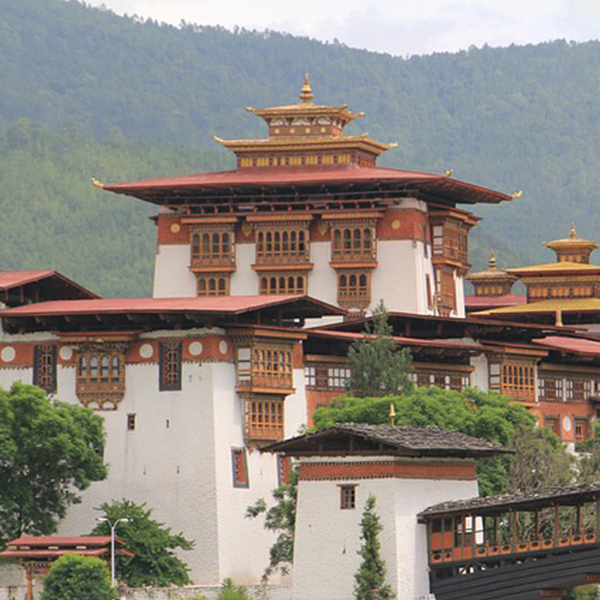
Set where two rivers meet, this fortress stands out for its looks and past. With sunny yards inside, old timber crossings, because of clean bright walls, it ranks among Bhutan’s finest strongholds.
Bhutan’s main city mixes old ways with today’s world like they belong together. Check out the big Buddha figure, nearby temples, or handmade stalls instead. Thimphu won’t tire you. It gives meaning.
All trips across Bhutan is done in a personal car, guided by an approved driver plus a local guide. Routes twist around peaks and lowlands, making each journey feel like a view-filled adventure instead of just getting from point A to B.
Many monasteries or dzongs charge a small fee, usually covered if you book a guided visit. Wear simple clothes, respect customs, also check first before snapping pictures in sacred spots.
Springtime, March through May and September up to November make ideal windows for a Bhutan trip. Clear views show up more often then, with mild weather that feels just right, and ceremonies draw big crowds. Cold months sit calm and sharp, whereas June brings in greenery paired with heavy seasonal downpours.
Bhutan sticks to a strategy that limits tourist numbers while focusing on quality experiences. However, each foreign traveler must cover a daily charge called the SDF, set at $100 per person.
This cost helps cover:
Rather than restricting trips, the SDF helps Bhutan gain from tourism while making sure travelers still get a real connection. Instead of cutting down visits, it supports local value and gives guests deeper moments.
Going to Bhutan means you need a visa set up ahead of time by a licensed travel agency.
Please provide:
Documents must be submitted 15–20 days prior to travel.
All permits and approvals get sorted ahead of time ensuring smooth entry into Bhutan.
| Inclusions | Exclusions |
|
|
Picking how many days to spend really counts when you’re in Bhutan. Even though spots aren’t far apart, getting around takes longer on purpose. Paths twist along river basins, seeing sights eats up hours, also some sites need more than just a glance. These plans move at a relaxed speed, never hurried but still hit all the key parts of Bhutan’s story.
A week-long journey through two Himalayan kingdoms, combining Nepal’s ancient heritage with Bhutan’s peaceful valleys and spiritual landmarks. This itinerary takes you from the historic temples and cultural wonders of Kathmandu to the monasteries, fortress architecture, and natural beauty of Bhutan. Experience UNESCO World Heritage Sites, a breathtaking Himalayan flight into Paro, Bhutanese traditions, and the unforgettable hike to Tiger’s Nest Monastery (Taktshang).
This balanced schedule allows you to explore Kathmandu’s cultural highlights while giving enough time to experience Bhutan’s unique lifestyle without rushing. From ancient courtyards and local markets to cliffside monasteries and Himalayan landscapes, this journey offers a perfect introduction to the beauty and traditions of Nepal and Bhutan.
| Day | Itinerary |
|---|---|
| Day 1: Arrival in Kathmandu | Your journey begins in Kathmandu, Nepal’s historic capital city filled with ancient temples, traditional architecture, and vibrant local culture. After arriving at the airport, you will be welcomed and transferred to your hotel. The rest of the day remains relaxed, allowing you to explore the lively streets of Thamel, known for its cafés, handicraft shops, and colorful atmosphere. |
| Day 2: Kathmandu UNESCO Heritage Sightseeing | Today, explore the cultural treasures of Kathmandu Valley. Visit some of Nepal’s most significant UNESCO World Heritage Sites, including ancient temples, sacred monuments, and historic royal squares. Experience Nepal’s unique blend of Hindu and Buddhist traditions while discovering centuries-old architecture, local traditions, and the spiritual side of Kathmandu. |
| Day 3: Fly to Paro, Then Drive to Thimphu | Begin the day with a scenic Himalayan flight from Kathmandu to Paro, offering breathtaking views of some of the world’s highest mountain ranges. After arriving at Paro International Airport, meet your guide and drive toward Thimphu, Bhutan’s peaceful capital city. In the afternoon, visit Tashichho Dzong, also known as the Fortress of the Glorious Religion. Later, enjoy an evening walk through Thimphu’s main street and local markets to experience everyday Bhutanese life. |
| Day 4: Thimphu to Paro, Cultural Exploration | After breakfast, drive back toward Paro while exploring Bhutan’s rich cultural heritage. Visit the Textile Museum, where you can learn about Bhutan’s traditional weaving art, and the Simply Bhutan Museum, offering an interactive experience of Bhutanese customs and lifestyle. Continue to the Memorial Chorten, an important Buddhist stupa, and Buddha Point (Kuensel Phodrang), where a massive Buddha statue overlooks the valley. Later, continue sightseeing around Paro before returning to your hotel. |
| Day 5: Taktshang Monastery Hiking Experience | Today brings the highlight of your Bhutan journey — the famous hike to Taktshang Monastery (Tiger’s Nest). Located dramatically on a cliffside above Paro Valley, this sacred monastery is one of Bhutan’s most iconic landmarks. The hike takes around 5–6 hours round trip, passing through beautiful forests and peaceful mountain landscapes. After completing the hike, spend a relaxing evening exploring Paro town and the local market area. |
| Day 6: Fly Back to Kathmandu, Bhaktapur Cultural Visit | After breakfast, take a flight back from Paro to Kathmandu. Upon arrival, continue your cultural journey with a visit to Bhaktapur Durbar Square, a beautifully preserved medieval city famous for its temples, traditional Newari architecture, and historic atmosphere. Later, return to your hotel for check-in and leisure time. |
| Day 7: Final Departure | After breakfast, check out from your hotel and transfer to the airport for your onward journey. Your Nepal Bhutan cultural adventure comes to an end, leaving you with unforgettable memories of Himalayan landscapes, ancient heritage sites, Bhutanese traditions, and the spiritual beauty of the region. |
Meal Plan:
Highlights of the Journey
If you’re thinking about visiting Bhutan along with Nepal, giving yourself plenty of time matters. Squeezing both places into a brief journey often leads to hurrying past key spots while missing what each place is really like. If you’re linking Bhutan with Nepal, aim for around 10 to 12 days. That gives space for exploring Kathmandu, catching flights, also fitting in solid time across both spots without rushing.
A 10 or maybe 12-day plan fits better.
Why This Combination Works Well
Nepal pairs well with Bhutan, different, yet fitting. You get deep roots, crowded lanes, old shrines in Nepal, whereas Bhutan gives calm and purpose. Begin in Kathmandu, it makes visas for Bhutan smoother, plus flight links work better.
Days 1 to 3: Kathmandu Valley
Check out historic spots like Pashupatinath, then move on to Boudhanath as both are part of Nepal’s rich heritage. Kathmandu Durbar Square adds deeper meaning, setting the stage before you cross into Bhutan.
Days 4 to 10 or 12: Bhutan (Paro, Thimphu, Punakha)
Fly from Kathmandu to Paro then stick to a Bhutan route like the 8-day example shown, just adjust it based on how long you’re traveling. Instead of fixed dates, shift stops around so everything fits your schedule without rushing or wasting time.
This setup prevents tiredness, gives time to adjust, while keeping both sides steady.
 11 Days
 Easy
Easy
Nepal-Bhutan Discovery Tour
11 Days / 10 Nights | Kathmandu • Thimphu • Paro • Punakha
Walk through two mountain countries in a single smooth trip. This Nepal-Bhutan adventure mixes old traditions from Nepal with quiet, untouched living in Bhutan. Ancient shrines, palace courtyards, green highland trails, and temples stuck to rocky edges, each moment comes slow, not forced. Instead of speed, you get space to take it all in.
| Day | Itinerary |
| Day 01:Arrival in Kathmandu | Welcome to Nepal. Once you land at Tribhuvan International Airport, our team member will greet you, then take you to your hotel in Kathmandu.The ride into town gives a quick look at Nepal’s lively routines, crowded roads, colorful stores, while old places add character.
Time later on stays open, so you can unwind post-travel or wander close spots, coffee stops, small restaurants however feels right. Overnight in Kathmandu |
| Day 02: Kathmandu Full-Day Sightseeing | Right now’s about exploring Nepal’s soul and traditions by checking out its UNESCO spots.Start at Pashupatinath Temple, a key site for Hindus honoring Lord Shiva. Sitting beside the holy Bagmati River, this area shows real glimpses of age-old customs, funeral rites, also daily worship practices.Head over to Boudhanath Stupa, among the biggest Buddhist stupas on Earth and a hub for Tibetan Buddhist life. Move around it in a clockwise direction, turn the prayer wheels while you go, or just watch monks and visitors absorbed in silent worship.
Later on, check out Bhaktapur’s old square, full of tilted rooftops, quiet yards where kings once stayed, spots where locals shape clay by hand, and traditions kept alive through generations. Strolling around gives you that old-world vibe, like flipping pages of a worn-out history book. Overnight in Kathmandu |
| Day 03: Kathmandu Valley Heritage Tour | Keep discovering art and history across Kathmandu Valley, wander through old towns, uncover hidden courtyards, or stumble upon quiet temples tucked down narrow lanes. Head to Swayambhunath Stupa, called the Monkey Temple sitting high on a ridge above the valley. This place mixes Hindu with Buddhist symbols while giving you wide-open sights of Kathmandu.
Head over to Kathmandu Durbar Square, the old palace spot for Nepal’s royalty. Check out shrines, open yards, the ancient Kasthamandap building, also known as the wooden pavilion. Move through narrow lanes to reach Kumari Ghar, where the young living goddess lives. Wrap up your day in Patan Durbar Square, often called the City of Art. Famous for detailed stonework, intricate metal pieces, or a rich palace museum, this spot highlights Nepal’s creative soul like few others can. Overnight in Kathmandu |
| Day 04: Fly to Paro – Transfer to Thimphu | Flying from Kathmandu to Paro means breathtaking views of snowy peaks along the way. Once you land at Paro’s airport, a local guide will greet you right away. Then head off by road toward Thimphu, soaking in valley sights and quiet villages ride.
The path winds through green valleys, wooded slopes, also quiet countryside spots. Thimphu, the main city of Bhutan, seems peaceful and neat, where old ways mix with today’s pace. Overnight in Thimphu |
| Day 05: Full-Day Thimphu Valley Exploration | Right now you check out Thimphu’s main spots tied to culture and faith. Head to the Memorial Chorten, a busy prayer spot where people come each day. Then move on to the Buddha Dordenma, a giant sitting figure that watches over the valley.
Head to the Takin Reserve, this is where you’ll spot Bhutan’s rare national animal. Then check out Tashichho Dzong, a striking fortress with offices and the royal hall inside. In the afternoon, check out local craft stalls or handmade goods stores, get a feel for Bhutan’s age-old art styles along the way. Overnight in Thimphu |
| Day 06: Thimphu to Punakha via Dochula Pass | Head to Punakha, go over Dochula Pass which sits at 3,100 meters. When skies are clear, you’ll see the eastern Himalayas stretch out ahead, surrounded by a circle of 108 small shrines.
Head down to the cozy Punakha Valley, check out Punakha Dzong, Bhutan’s prettiest fortress sitting right where the Pho Chhu meets the Mo Chhu rivers. Overnight in Punakha |
| Day 07: Punakha Sightseeing and Gentle Hiking | Start your morning by walking up to Khamsum Yulley Namgyal Chorten, a quiet shrine on a ridge where you can see the whole Punakha Valley spread out below. While it’s a gentle climb, the lookout feels wide open once you reach the top. This sacred spot sits above the trees, giving you space to breathe while taking in the scene across the hills.
Later on, head to Chimi Lhakhang, a well-known temple tied to fertility, sitting among rice paddies and small settlements. Walking across the landscape gives you a real glimpse into daily life in Bhutan’s villages. The rest of your day is pretty chill, so you’ll have plenty of time to just hang out and enjoy the peace. You’ll be staying the night in Punakha. |
| Day 08: Back to Paro – Local Culture | Drive back toward Paro, following the curvy mountain roads and passing right through the lush, green river valleys. Once you get there, check out Rinpung Dzong, a traditional Bhutan’s highlight perched above the valley.
Head to Ta Dzong, Bhutan’s national museum, neat displays of art, old items, and history fill the rooms. Later that day, hang out in Paro town, checking out craft stores along with small shops selling local goods. Overnight in Paro |
| Day 09: Tiger’s Nest Monastery Hike | Right now marks the peak moment of our trip through Bhutan. We trek toward Taktsang Monastery, often called Tiger’s Nest hanging bold and steep on a cliffside up at 3,120 meters.
The trail winds through some big pine trees, and every so often, you get these amazing views through the branches. Getting to the monastery feels like a test on your body that also lifts your mood, turning it into one unforgettable moment while exploring Bhutan. Go back to Paro in the afternoon and just have a relaxing evening. You’ll be staying the night there. |
| Day 10: Fly back to Kathmandu | Get to the Paro airport for your flight back. Once you’re in Kathmandu, just take it easy. You can spend the day resting or just wander around the city, it’s totally up to you.
If you feel like going out, you could go souvenir shopping or find a nice cafe in Thamel. If you’re looking for something extra to do, you could book a massage or go on a walking food tour. You’ll be staying the night in Kathmandu. |
| Day 11: Heading Home | It’s time to head to the airport for your flight out. You’re going home with some incredible memories of Nepal and Bhutan, the kind of views you won’t forget and traditions that really stay with you. Hopefully, you’re leaving with a bit of that peace and quiet you found along the way. |
Is Bhutan expensive to visit?
Bhutan isn’t cheap to visit, yet pricing’s clear and covers most things. Instead of hidden fees, the SDF promotes eco-friendly trips while guaranteeing solid value.
What’s a good number of days to spend in Bhutan?
A week or so works best when you’re going there the first time.
Can Bhutan be combined with Nepal?
Yes. Nepal’s the easiest way into Bhutan, fits nicely when it comes to culture or travel plans.
Wondering if Bhutan works for people traveling abroad the first time?
It’s true as Bhutan feels safe and everything just works. And, having a guide makes the whole trip a lot easier and less of a headache.
Bhutan isn’t just checking sites off a list. It’s feeling where you are. Stillness counts, so does crisp highland breeze, the flow of regular routines, also how old ways hold weight. That’s what makes it real.
Going to Bhutan solo or pairing it with Nepal works better if you set things up ahead. Prime Holidays Travel and Tour takes care of each piece quietly, so your mind stays free for what matters.
If Bhutan’s on your list, now’s a solid moment to check it out with purpose.


