

Tiji Festival in Lomanthang
admin
05 January, 2026
Tiji Festival
The Tiji Festival is a significant cultural festival in the Upper Mustang region. Upper Mustang is a restricted area. It is conducted in Lo Manthang, the ancient fortified capital of the ancient Kingdom of Lo. It has a significant historical connection related to the Tibetan Buddhist tradition.
Upper Mustang is a restricted Himalayan area that has been conserved in a cultural and geographical way. The Tiji Festival is not conducted for the purpose of tourism. Rather, it is an important religious ceremony conducted by monks to bring balance, to dispel the negative forces, and to pray for blessings.
For tourists, going to Tiji is more than just a sightseeing adventure. It presents a chance that does not often come by in a lifetime to observe a thriving spiritual culture in one of the most isolated areas in Nepal. Events like the Tiji Festival of Lo Manthang are strong reflections of Nepal’s heritage, paying respect to spirituality, protection, and beliefs of ancient time.
Going beyond the sightseeing, festivals like these will provide meaningful stories, authentic encounters, and unforgettable memories for travelers.This ceremony is a ritual performed with an intention to cleanse away the negative elements in the region. From sacred monasteries to Nepal-continuing traditions across generations, it welcomes you with more.
Meaning and Origin of Tiji Festival
The Tiji is a religious Buddhist festival related to the mythological account from Tibet. The event got the name “Tiji” from a word known as “Tempa Chirim,” which translates to “Prayer for World Peace.” Its main focus is on a mythological account about a deity known as Dorje Jono, who was said to have killed a demon responsible for causing droughts, diseases, and misery among the people of Mustang.
By means of masks dances, chants, and ritual gestures, monks recreate this ancient tale in order to wash the land from bad energy and bless this territory in a new year.
When is the Tiji Festival held?
Tiji is normally held in May, as per the Tibetan calendar. This ceremony is three days long, and every day signifies a level in a religious narrative.
Due to its fixed location and limited access, this has to be one of the holiday destinations for which early planning is absolutely indispensable for travelers.
Where is the Tiji Festival conducted?
The festival takes place in the courtyard of the Lo Manthang royal palace site itself, which is an ancient fortified city sitting at a height of 3,770 meters above sea level.
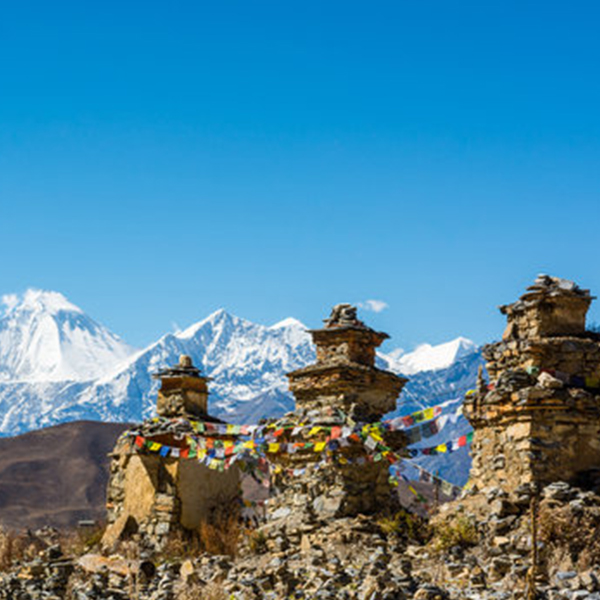
Lo Manthang is ringed by desert lands, eroded mountains, and snow-capped Himalayan ranges. Isolation has helped this town retain its buildings, language, and culture, the festival environment is thus as compelling as the festival itself.
Spiritual Meaning of Tiji
It describes the story of a deity, Dorje Jono, who conquered a demon said to be inflicting drought and hunger.
The monks, through their ritual dance and prayers, cleanse the land and bless the community for the coming year. During the festival:
- Monks do ritual dances to remove the negative elements.
- Prayers are offered for rain, the harvest season, or protection.
- The earth and the humans are purified in anticipation of the forthcoming year.
Such a ceremony reflects the strong bonds between religion, nature, and everyday life in Upper Mustang
What occurs During the Three Days of Tiji
It is a three-day festival, each day represents another stage of the spiritual story.
Day One: The forces of chaos and imbalance are unleashed. Masked dances are performed by monks, representing the negative energy that affects the land.
Day Two: Day Two includes the religious preparation of Dorje Jono, with the dances remaining highly symbolic, illustrating the fight between good and evil. Representation of Dorje Jono’s spiritual preparation and power.
Day Three: The final day represents victory and purification. After that, Dorje Jono defeats the demon, and prayers are offered for peace, prosperity, and protection for the coming year.
It will take place in the courtyard of the former royal palace in Lo Manthang, an ancient walled city nestled deep within the Himalayas. Victory dance depicting the defeat of the demon and cleansing of evil.
Colorfully robed monks of Choedhe Monastery perform masked dances to the accompaniment of traditional instruments and chants.
Why Tiji Festival Is Unique
- Occurs in the restricted region of the Himalayas
- Maintains original Tibetan Buddhist traditions
- Appearing amidst dramatic scenery of Upper Mustang
- Very rare cultural experience that is not affected by modern tourist activity
This festival provides an important link between travelers and Himalayan religious culture.
Why travel to Nepal during festival season?
Festival travel in Nepal offers:
- Deeper cultural understanding
- Photography of unique opportunities
- Direct interaction with the local communities
- Once in a lifetime experiences
Festivals enable travelers to participate in culture firsthand, rather than just viewing it from afar.
Travel Requirements for the Tiji Festival
There are restrictions in Upper Mustang, therefore, tourists need to plan:
- Special Restricted Area Permit
- Annapurna Conservation Area Permit (ACAP)
- Licensed guide
- Minimum two trekkers per permit application
- It is mandatory that permits be processed through a registered trekking agency.
These needs are important in ensuring the safety of visitors and protecting the local culture and environment.
How to Reach Lo Manthang
Lo Manthang is hard to get to and takes time along with a lot of planning.
The usual routes of administration include:
Kathmandu-Pokhara flight, Pokhara-Jomsom flight, and then by jeep or trek
Jeep excursion into the villages of Lower Mustang
Kagbeni – Chele – Ghami – Charang trek
The journey typically takes several days in order for the body to acclimatize.
Health, Altitude, Safety
Lo Manthang has a high altitude; therefore, acclimatization is necessary.
Travel tips:
- Ascend gradually
- Drink lots of water
- Avoid alcohol in the ascent phase
- Carrying travel insurance that includes high-altitude evacuation
- Follow your guide’s advice
There are not many medical facilities, so preparation is the key.
Accommodation in Lo Manthang
Lo Manthang has limited but comfortable accommodations.
Travellers can expect:
- Local guesthouses and small lodges
- Basic but clean rooms
- Shared facilities in certain regions
Accommodation during the Tiji festival fills up quickly. It is, therefore, important to book in advance.
What to Expect as a Traveler
While traveling to the Tiji Festival, one needs to do so with respect and understanding that the event is one where the environment and behavior are serene and centered on the rituals.
Taking photographs is generally allowed, though it should be done in a quiet and unobtrusive manner. Visitors should also dress modestly and heed the advice of local guides and monks.
It is a festival to observe, reflect, and learn. It is not necessarily for active participation.
What to Expect During the Festival
- Masked Dances of monks from Choedhe Monastery
- Cultural musical heritage, chants, and ritual costumes
- Rituals conducted at the courtyard of the royal palace at Lo Manthang
- Volunteers from local villagers and pilgrims
Each of the three days symbolizes a different level of the spiritual experience.
Best Season to Visit and Conditions
May is a great time to visit Upper Mustang. It is a rain shadow region, so the climate is generally dry with clear weather. It is a good time because the climate is neither hot nor very chilly.
Roads and trails are relatively accessible during this season and thus are good for overland or trekking expeditions.
How to Plan a Trip Around the Tiji Festival
The normal duration of a Tiji Festival trip is between 10-14 days, depending on the route taken and the mode of travel. Visitors often combine the festival with:
- Drive or trek in lower Mustang
- Visits to monasteries and caves
- Cultural village walks
As access is restricted, it is necessary to book permits, guides, and accommodations in advance.
Who Should Attend the Tiji Festival
The Tiji Festival is best for:
- Cultural and heritage tourists
- Spiritual seekers
- Photography enthusiasts
- Tourists seeking adventure with the end of going to a far-off destination
It is most fit for those travelers who believe in authenticity rather than the available luxuries.
Upper Mustang Trek – 18 Days
Tiji Festival The Tiji Festival is a significant cultural festival in the Upper Mustang region. Upper Mustang is a restricted area. It is conducted in Lo Manthang, the...
 18 Days
 Moderate
US$ 18000
Why to Go on an Upper Mustang Trek during Tiji Festival
Beyond the festival, what Upper Mustang offers includes:
- Ancient monasteries and royal palaces
- Desert landscapes framed by snow-capped peaks
- Traditional villages untouched by mass tourism
- A strong link to Tibetan culture
Visiting during the Tiji festival allows you to experience cultural richness at a very unique destination.
Trip Schedule
Typical Tiji Festival trekking durations are 10 to 14 days, depending on the trekking preferences.
Many visitors combine the festival with:
- Lower Mustang exploration
- Visits to ancient monasteries
- Cave systems and village walks
Advance planning is required because of the permits and logistics involved.
Frequently Asked Questions (FAQs)
What Is Tiji Festival?
The Tiji Festival is a three-day Buddhist ceremony conducted every year in Lo Manthang, Mustang region. It is a religious activity conducted by monks to cleanse the area of negative elements and bring back peace and harmony.
When Does the Tiji Festival occur?
Tiji is generally observed in the month of May, as per the Tibetan Calendar. The dates keep changing every year. Planning ahead is, therefore, necessary.
Are there special permits that I need for the Tiji Festival?
Yes. There are restricted area permits, and the regions are restricted, including the area around the Upper Mustang. Permits required are the Restricted Area Permit, the Annapurna Conservation Area Permit, and a guide.
What is the significance of the Tiji Festival in Lo Manthang?
The Tiji Festival is a three-day ritual performed by the Tibetan monks in the Lo Manthang region of the Upper Mustang region of Tibet, with the intention of driving away the negative spirits and bringing prosperity to the region.
Is the Tiji Festival open to tourists?
Yes, but visitors must be properly permitted and must travel with a licensed guide.
Is it possible to be a part of Tiji and not have to trek?
Yes, overland jeep travel is possible, though trekking offers deeper cultural exposure.
Is photo shoot allowed during Tiji?
Photography is permitted, though it is necessary to use one’s discretion.
Conclusion
The Tiji Festival in Lo Manthang is more than just a cultural event. It is a living tradition, symbolizing the belief, strength, and spirituals of the Himalayan races.
For travelers in search of a more meaningful experience, Tiji presents a unique chance to observe religion, history, and a community in one of the most fascinating areas of Nepal. It needs proper planning to make it a memorable and enriching experience.
Table of Contents


