TOP
SELLER
Budget
icon

Difficulty

Moderate

icon

Duration

2-16

icon

Duration

18 Days

icon

Accommodation

Hotel,Teahouse

icon

Best Time

Mar - May, Sep - Nov

icon

Max Alt

4,200m (13,780ft)

Trek Overview

The Upper Mustang Trek leads to a remote dry zone once called the Kingdom of Lo. This place remained shut for years, yet that quiet rhythm lives on in everyday routines. Because of deep Tibetan Buddhist ties, traditions shape how people farm and where homes are built on barren slopes.

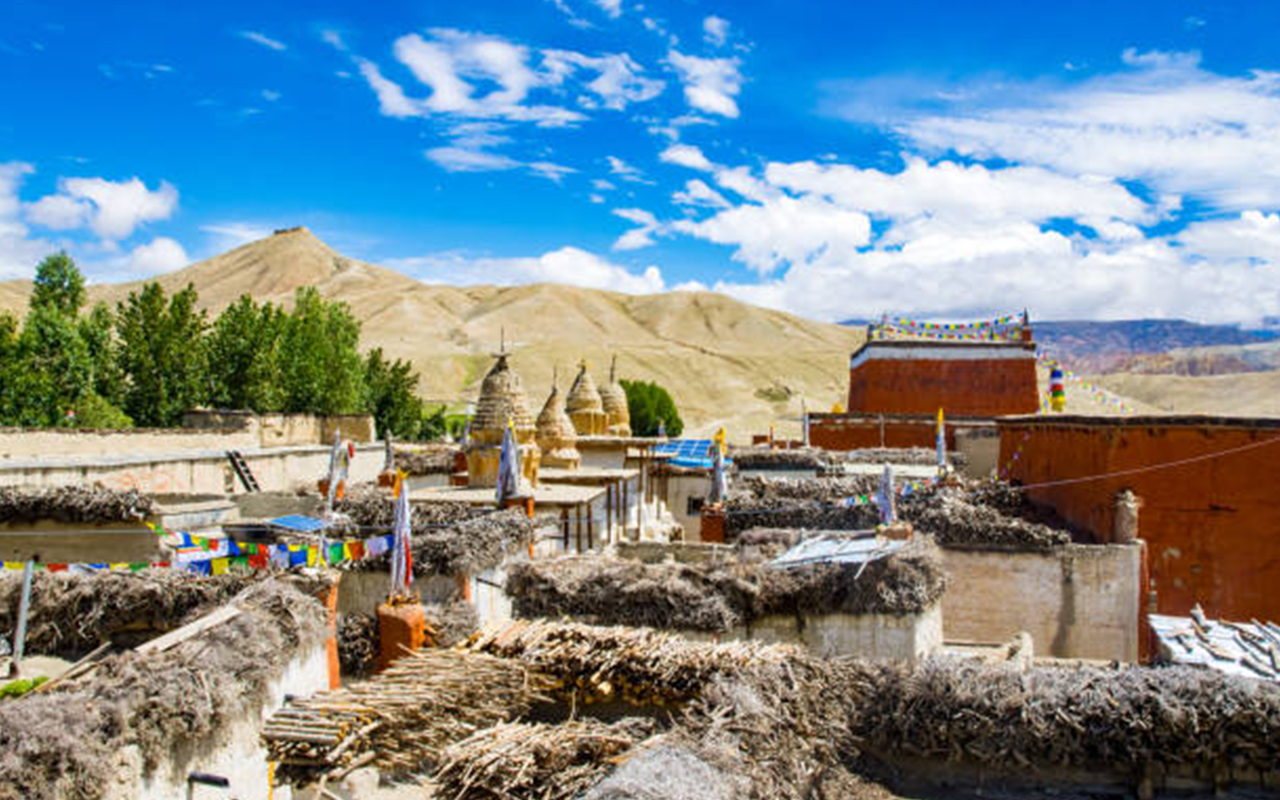
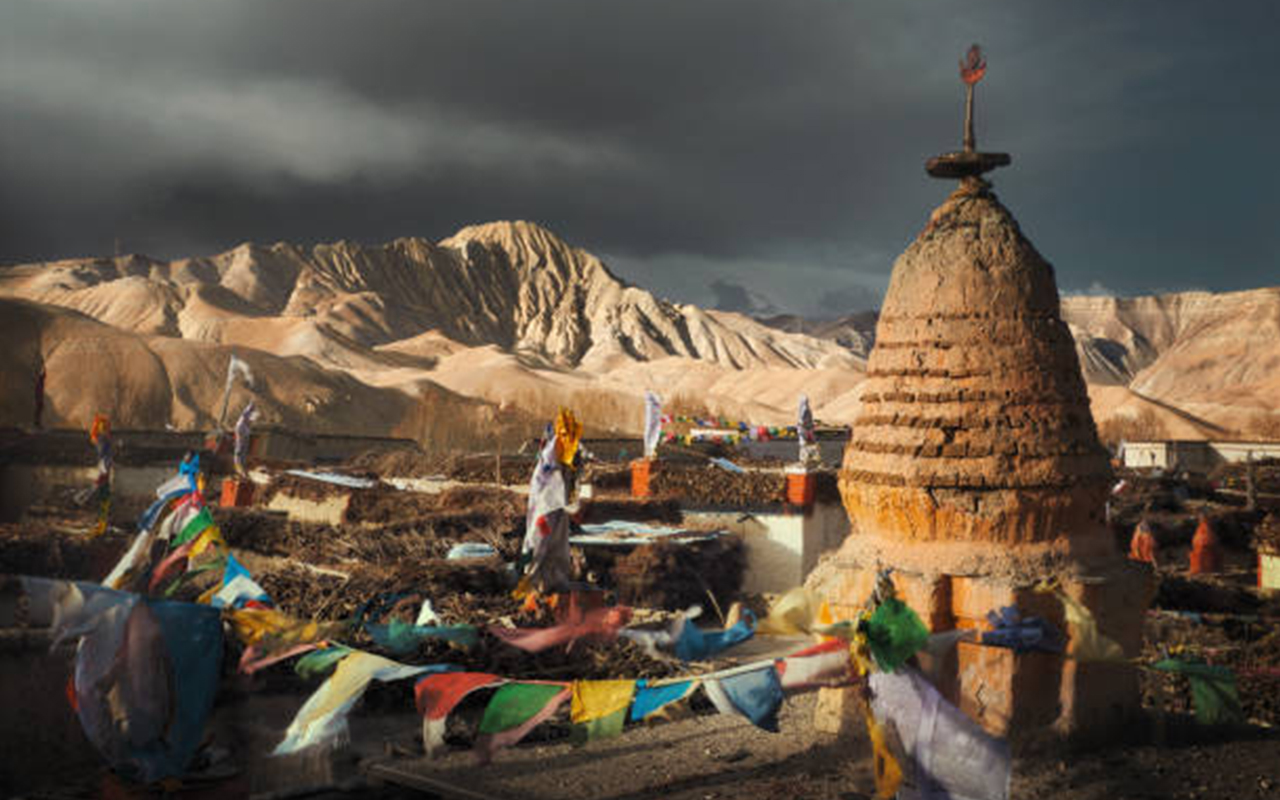
Your journey to Upper Mustang kicks off in Kagbeni – the gateway to the restricted area. Right away, the land shifts quickly. You hike past arid cliffs, narrow ravines shaped by wind, rugged ridgelines, plus ancient stone houses built right into cliff faces. Tiny settlements hang on steep hillsides. Every village has spinning prayers, weathered stupas, lines of engraved rocks, also houses that echo Tibetan design.

Head farther up, takes you to Lo Manthang – the ancient fortified town. It’s set on a wide flat stretch near 3,800 meters high. Small houses pack narrow alleys. Temples keep unique artwork, aged figures, along with murals tied to ages of Buddhist tradition. The royal palace remains right in the middle. Even though the valley is isolated, the valley draws you in with its steady, quiet way of living.

Upper Mustang lies behind the Annapurna and Dhaulagiri peaks where little rain falls, making daytime hikes usually dust-dry. You’ll cross multiple high points between 3,800 and 4,200 meters while trekking through this zone. Winds tend to build by afternoon; starting early helps dodge harsher conditions later. Lodges along the way aren’t fancy yet functional expect modest sleeping spaces, common bathrooms, plus hot food at day’s end.

What makes the Upper Mustang Trek special isn’t just the land – its how people live on it. The landscape, dry dirt, red rocks, ancient caves, prayer flags, and ruins looks like it has been the same for centuries, unaffected by the modern world.

Trip Highlights

The hike offers dry desert landscapes, glimpses into Tibetan Buddhist traditions, also quiet village settings.

Cultural Highlights

  • Stroll around ancient villages built on Tibetan traditions
  • Check out temples full of paintings, carvings, also ancient books
  • Check out the lengthy barriers covered in chiseled rocks
  • Explore Lo Manthang, the old walled capital
  • Visit Chhoser and its Sky Caves carved high into the rock

Scenic Highlights

  • Dry cliffs but rocky edges plus jagged gullies
  • Flat stretches connecting far-flung villages
  • Go through spots near 3,800 to 4,200 meters where you can see far ahead
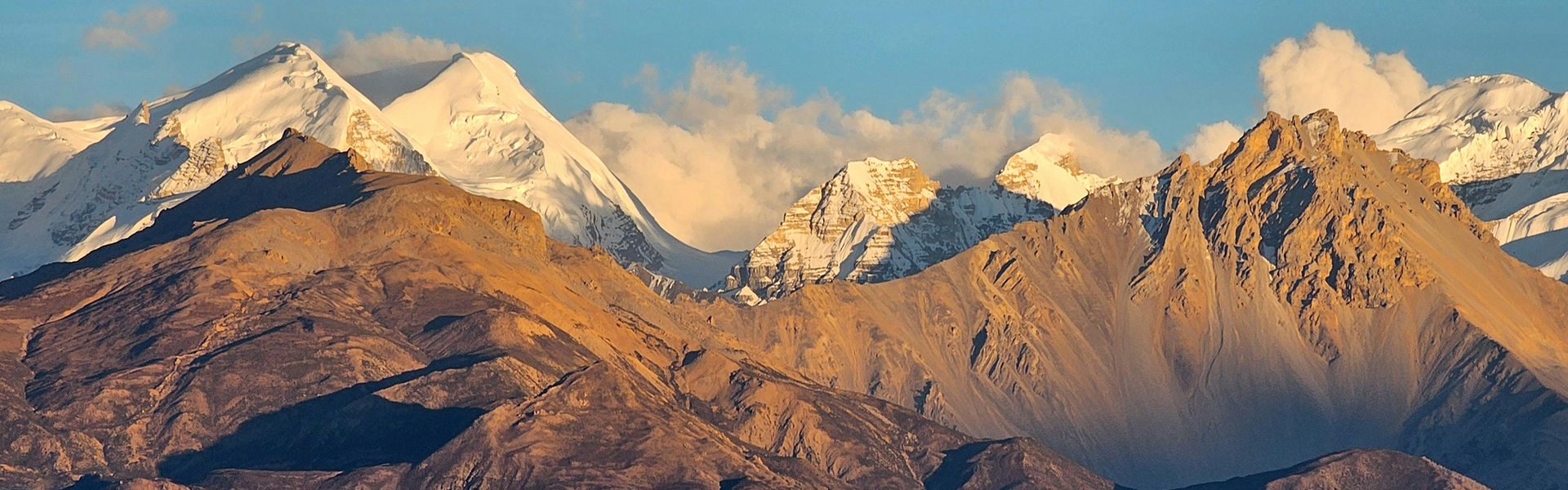
  • Clear views of Nilgiri, Tilicho Peak, Annapurna, and Dhaulagiri

Experience Highlights

  • Stroll into an area few people get to see
  • Rest up in tiny tea spots managed by local people
  • Walk into a calm area far from today’s busy world
  • Trek through arid zones where storms rarely show up

Culture & Local Life

  • The area feels deeply Tibetan – old monasteries sit beside colorful prayer flags, while sun-baked mud houses line the trails.
  • Lo Manthang’s a walled town that shows you how people lived in Mustang long ago.
  • You’ll go by spots such as Kagbeni, then Chele, followed by Syangbochen, also Tsarang – each one feels different. Each place gives off its own vibe, kind of quiet but alive in a way you notice over time.
  • The Tiji Festival, when you hit it just right, really stands out – three full days packed with dancing, ceremonies, yet bursting with local flavor.
  • Talking to people from the area helps you get it better.

Cultural Respect

  • Upper Mustang’s people follow old Tibetan Buddhist ways. If you want to snap a photo of someone, check first – don’t assume it’s okay. When near temples or prayer halls, keep things quiet and calm.
  • Carry a trash bag – take out what you bring in whenever you can.

Risk & Challenges

  • Weather: Winds often grow fierce around Mustang, particularly by afternoon hours.
  • Permit price: RAP costs way more than most other hikes out there.
  • Going alone? Not permitted – must have a buddy along with a guide. It’s far from cities, so clinics are scarce. Getting help can happen, yet it’s complicated.
  • Cash: Most tea spots won’t take card – bring plenty of cash (NPR). You’ll need rupees for stays, meals, plus little things like power top-ups or warm water showers.

Difficulty & Altitude

  • The trek is moderate overall.
  • Highest spots hit roughly 3,800 to 4,200 meters – route and mountain pass change the numbers.
  • You might get altitude sickness – even if it’s not super high. The ground feels rough, plus strong winds blow through areas that look like a desert.
  • Sleeping and resting well helps your body adjust with the altitude.

Drawbacks to Be Realistic About

  • The permits cost a lot – RAP’s fee hits $500, which feels way too high.
  • You’ve got to hike with someone else plus a guide – so going alone isn’t really an option.
  • Web access or cell signal might be spotty – so staying online could be tough.
  • Teahouses? They’re basic – no frills. Need to charge your phone or take a warm shower? That’ll set you back more cash.
  • Risk of altitude sickness? Pretty real – even if the tops sit around 3,800 to 4,200 meters.

Road Construction Warning

  • Recent updates hint at work still happening on the Kagbeni–Lo Manthang route, so certain stretches might feel dry or tough to walk through. While progress moves forward, trail conditions could seem rough in spots.
  • Check with your trekking guide on how the paths are right now compared to roads – go for trails skipping building zones if views matter to you.

Day-by-Day Itinerary

1
Day 1

Arrival in Kathmandu

You arrive in Kathmandu for your Upper Mustang Trek. Once you come out of the airport, you will be greeted by our representative and driven to your hotel. After you check into the hotel, you attend a small meet-and-greet session with the team that guides you throughout the trek. You can rest afterward or take a quiet walk around the neighborhood.

You spend the day sightseeing in Kathmandu and making preparations for the trip. After breakfast, visit major heritage sites: Pashupatinath, Swayambhunath, Boudhanath, Kathmandu Durbar Square, Narayanhiti Palace. Return to hotel after sightseeing and rest.

Leaving Kathmandu after breakfast, you drive to Pokhara, following long stretches of the Trishuli and Marsyangdi Rivers en route, along with terraced fields, forested hills, and small market towns. You arrive at Pokhara and check into your hotel there. The evening will be spent at leisure by Phewa Lake.

You start early with a scenic flight from Pokhara to Jomsom, a windy and arid town in Mustang. After a short rest, you start walking toward Kagbeni. The trail moves along the riverbed and past scattered villages while offering broad views of Dhaulagiri, Nilgiri, and Tukuche peaks. You reach Kagbeni after 3 to 4 hours and settle into a local guesthouse.

After breakfast, you begin the hike up the river valley. The trail alternates between high paths and sections of riverbank. Along the way, there are ancient caves carved into the cliffs, as well as a visit to the small Nyingmapa monastery of Gompa Kang. You will stop for lunch in Tangbe before following the trail beside the Narsing Khola and the Kali Gandaki River. By late afternoon, you will be arriving at Chuksang.

You continue north, on your way to a big formation of red rocks shaped like a natural tunnel where the Kali Gandaki flows underneath. From there, you climb to the quiet valley of Ghyakar Khola and reach Chele. After a short break, you walk a few more hours to Samar, a small village where you will spend the night.

You leave Samar by a steady climb uphill and enter a deep gorge, with the trail then opening into a wide valley. You cross a suspension bridge before climbing to a pass, then drop down to Syangmochen, reached by a long but gentle descent. This provides an opportunity for a good lunch stop at the tea shops. Later, you continue through a high valley, then drop down into Geling, with its stone houses and fields of barley.

Today’s walk starts with an uphill stretch through terraced fields. Pass by Tama Gun and a chorten while ascending towards Ghami La Pass. The trail then leads to Nyi La Valley at the highest point of the day. Cross over the two-way junction and take the left trail down to Ghami, a traditional village that has cliffs and chortens around it.

You set off at dawn, following a soft route along wild cliff edges. After a while, the track dives into thick woods suddenly shadier and quiet. Eventually, you reach Tsarang, a local village packed with towering monasteries, ancient forts, or vibrant thangka art displays. In late hours, you wander through town, picking up stories from its strong Buddhist roots

After breakfast, you leave Tsarang through an isolated chorten and climb gradually until the walled city of Lo-Manthang comes into view. The final approach takes you along the northeast side before you enter the ancient capital. Lo-Manthang is full of historic monasteries, narrow alleys, and centuries-old architecture. You sleep in a tea house inside the walled town.

Right now’s all about chilling, getting used to the height, while checking out the culture deep in Upper Mustang. Maybe you’ll stroll around temples, pick up bits on Buddhist customs, or explore narrow ancient lanes instead. Most folks either trek short distances to scenic spots yet some just soak in the calm pace of this mountain village.

You start your way back by tracing the previous route. The trail then passes Tsarang and follows a steady descent until you again reach Ghami. Check into a tea house for the night and rest after a long day.

Today you continue south, passing Geling and Samar as you drop to lower altitude. The landscape slowly shifts, becoming slightly greener. After several hours of steady walking, you reach Chuksang for the night.

This feels like a highlight of the whole Upper Mustang journey. Crossing dry, open land that looks almost Martian, moving past rows of apple trees while spotting homes built in old Tibetan fashion. Along the path, there’s chance to see yak groups wandering, steep rocky walls rising up, plus clusters of aged caves carved into stone. Later in the day, once after arriving at Muktinath – a place deeply respected by Hindu and Buddhist travelers alike. A dip below the row of 108 spouts is possible here, alongside viewing a fire still lit after hundreds of years.

You head south to Jomsom through Eklebhatti, tracing the flow of the Kali Gandaki River. Instead of open ground, you walk among tall firs and rhododendrons, then suddenly spot Nilgiri peeking above the trees whilst Dhaulagiri stands behind it. As daylight fades, Jomsom appears and once you reach there, you drop your bag at a small guesthouse.

You will take a short morning flight back to Pokhara. Later in the day, you are free to do whatever you wish. You can boat on Phewa Lake, see Davis Falls, visit the International Mountain Museum, or watch the sunset from the Peace Pagoda. In the evening, you head back to the hotel.

You drive back to Kathmandu on the same highway you used earlier. Check into your hotel, then explore Thamel, do some souvenir shopping, or go for a rejuvenating massage. In the evening, enjoy a last Nepalese dinner.

Now marks the end of your days in Nepal. A team member will take you to Tribhuvan Airport while helping sort out check-in steps. Farewell comes here, as you head back carrying moments from the Upper Mustang adventure.

note-icon

Note:

If you have a private group and prefer a personalized experience, we can organize a custom trip tailored to your requirements and group size, running it any day you choose.

Plan a Private Trip

Trip Information

Here’s what your journey actually looks like – hills included, daily mileage on foot or by vehicle, plus how tough each stretch feels.

Key Elevations (and Range)

Location    Elevation (approx.)
Jomsom (entry point) ~ 2,700 m (rough starting point)
Kagbeni ~ 2,800 m
Muktinath ~ 3,800 m
Chhusang / Chele ~ 3,100 m
Yamda La pass ~ 3,845 m
Nyi La pass ~ 4,015 m
Syangboche / Syangbochen ~ 3,930 m
Ghami ~ 3,520 m
Lo Manthang (capital) ~ 3,800 meters above sea level – that’s where the palace sits

Key Notes on Distances & Effort:

  • During hikes, you’re on the move about 5 to 8 hours most days.
  • The ground’s rough, dry, kinda barren – nothing like a thick woods – so some stretches of the path don’t block much sun.
  • Some days feel tougher – crossing passes like Yamda La or Nyi La means sharper climbs, then rough drops right after.
  • Elevation climbs each day might be tough when crossing a pass – yet thanks to the fairly low average height, it feels easier compared to brutal Himalayan hikes.

Why It’s Still Worth Considering

  • Cultural richness means Lo Manthang’s vibe, old monasteries sitting quiet, strong Tibetan roots shaping life there and also that rugged fortress-palace standing tall through time.
  • The view? Harsh terrain, dry as a bone, nothing like your usual mountain hikes feels like another planet, honestly.
  • Relatively safe: because it doesn’t go as high as most Himalayan hikes, serious altitude sickness is less likely – but still possible.
  • All-season option: Thanks to being tucked behind mountains that block heavy rains, hiking through rainy months works better here compared to other parts of Nepal.
  • Fewer tourists allowed: permits keep crowds down. This protects nature and traditions though prices go up. While access is restricted, costs rise too.
  • It’s far out plus not as crowded as most big trails.
  • The vibe here runs deep – shaped by Tibetan Buddhism, plus a centuries-old fortress town tucked inside Lo Manthang.
  • The terrain feels harsh yet striking – dry ridges, gullies, odd stone shapes – but wild in a quiet way.
  • Due to limited entry, this path seems better kept, also far from crowded spots.

Cost Breakdown

Here’s what a typical Upper Mustang Trek costs, based on recent data:

Cost Item Estimated Price
RAP (10 days) USD 500
Extra RAP days USD 50/day
ACAP permit NPR 3,000/-
Guide USD 25 to 30 per day
Porter From $20 up to $25 each day
Trekking trip lasting around 12 to 15 days USD 1,700–2,500 for Nepal-based agency
Flight (Kathmandu ↔ Jomsom) US$250 to $300 for a return flight


  • The permit costs make up a big part of the overall price.
  • Daily expenses for meals, lodging, or travel tend to be cheaper in Mustang compared to other Himalayan trails; however, the costly permit pushes up the overall price.
TOP
SELLER
Trip Code: AJA7SD9 | Valid on: May 21 / 2026
icon

Difficulty

Moderate

icon

Duration

2-16

icon

Duration

18 Days

icon

Accommodation

Hotel,Teahouse

icon

Best Time

Mar - May, Sep - Nov

icon

Max Alt

4,200m (13,780ft)

Frequently Asked Questions

General

No – Upper Mustang’s off-limits without permission. So you’ll need a certified guide to go there.

Moderate effort needed. On longer trekking days, elevation hits 3,500–3,900 m – this can wear you out. Being in decent shape makes it easier.

Most journeys last 10 to 15 days starting from Jomsom or Pokhara.

Energy doesn’t last long. Topping it up means paying more. Connection changes often – Wi-Fi’s hard to find, runs sluggish when you do. Bring a backup battery, load maps ahead of time.

Many hikes kick off in Jomsom, which you get to by plane or bus from Pokhara.

Cash is best for small costs – think phone charging, quick bites, warm showers or tipping staffs. Card? Forget it once you’re hiking.

A typical tip ranges from 10 to 15 percent of what guides or porters earn, adjusted based on how big the group is or the quality of help.

Yep. Spend more time in Lo Manthang or check out nearby trails instead. Going longer stays up the RAP price when it’s charged by day.

Yep. Ladies come here quite a lot. You’ll get a guide – permits require it. Stick to how locals live, plus what they wear.

Passport – plus snapshots, visas, permits scanned, also insurance coverage proof.

Preparation & Fitness

  • Peak height’s not extreme when set beside big Himalayan hikes; most nights you’ll sleep below roughly 4,200 meters.
  • Yet high-altitude discomfort might still show up.
  • Go up gradually – build in a rest day to adjust. Drink plenty of fluids while watching for signs like headache or feeling sick. Dizziness? Pay attention. Move slower if something feels off.
  • Check with a doc first and take the Diamox only after doctor’s consultation.

  • Wrap up warm. When it gets dark, temperatures plunge past zero in mountain spots.
  • Pack sunscreen – dry terrain plus bright sunlight can burn quick. Bring shade gear because open fields boost UV exposure fast.
  • Bring money in hand as there’s no ATM up there.
  • Get ready for no-frills tea-house-style rooms with communal bathrooms.

permits Permits

Yep. Get the RAP permit along with ACAP. Paperwork’s managed by a local Nepali company that’s officially listed.

Fees now depend on how many days you stay – about $50 per person daily. Yet some companies show outdated fixed prices, so check what applies when you’re traveling.

  • Upper Mustang’s off-limits without special access. To enter, you’ll require a Restricted Area Permit – around $500 for ten days, then fifty USD per day after that.
  • You’ll need an ACAP permit too – around NPR 3,000, which is close to USD 25–30.
  • Solo hikes? Not permitted. You’ve got to go with a certified guide – plus another person joining in.
  • Permits can’t be returned or passed to someone else.
  • Permits must be arranged by a registered trekking agency, you cannot secure them once you start hiking.

insurance Insurance & Visa

  • Travel insurance? Yeah, get it – better safe than sorry. Your plan’s gotta cover rescue flights if things go sideways up high.
  • Bandage supplies, plus meds for sore feet or headaches – ask doc about mountain illness pills when needed.

guides Guides & Support Staff

  • A certified guide? You’ve got to have one.
  • Guides usually charge around $25 to $30 each day.
  • Hiring a porter isn’t required – though it makes things way easier if you’d rather skip carrying heavy bags. Price runs about USD 20 to 25 each day. A solid guide brings firsthand insights, sorts out paperwork, or ensures safety when climbing high.

accommodation Accommodation and Facilities

  • You’ll sleep in small mountain lodges while you walk the path.
  • Rooms come with shared bathrooms – simple setup, nothing fancy.
  • Lodging’s usually in teahouses – simple rooms with two beds, bathrooms you share. Hot showers might come at an added fee.
  • On mountaintops, power could be powered by sun catchers; gadgets get juice in shared spots instead; certain spots might ask cash.
  • Grab a portable charger plus the right plug converters.

  • Internet access, like Wi-Fi, isn’t reliable much of the time. Where it works, a satellite link usually provides the signal.
  • Fees for Wi-Fi? High at certain tea spots.
  • Mobile signal is unreliable. When it comes to Upper Mustang, go with Nepal Telecom – NTC tends to work better there.
  • Energy comes from sunlight or tiny water systems at lots of tea spots. Need a charge? That might set you back a bit more.
  • You’d better bring a power bank – or maybe even a solar charger.

food Food and Drinks

Yep. You’ll get dal bhat, noodle broths, scrambled eggs, rice plates – also small bites like roti or chips. But once you hit the higher-altitude towns, choices drop off fast.

  • Food includes dal bhat, thukpa or momos from Tibet, noodle soups, eggs – pretty much that kind of stuff. Some places might offer hot showers if you pay extra.
  • Water: Probably boiled or clean – use tablets or a filter just in case.

  • The weather’s dry – better sip often. It won’t rain much, so keep fluids close. You’ll sweat more than you think, meaning hydration matters. Staying full on water helps beat the heat. Skip this, feel tired fast.
  • Buys bottled water if you want, though it costs way more – so maybe pack a filter instead, or toss in some purification pills.
  • Use reusable bottles.

weather Weather & Seasons

  • Top time for treks? Try March to May – or go later, between September and November.
  • Oddly enough, Upper Mustang sits in a dry zone – so the monsoon months from June to August feel easier compared to most trekking spots in Nepal.
  • Nights get chilly; besides, wind’s often strong.

  • Spring brings sunny days with a touch of warmth. March through May stays bright, quite pleasant overall.
  • Autumn (September–November): Stable weather, sharp views.
  • Monsoon season runs from June to early September – turns out, Mustang handles it pretty well. That’s because it sits in a rain shadow, which means fewer downpours compared to other areas across Nepal.
  • Winter (Dec–Feb): It’s freezing. A few tea spots shut down.

health Health & Safety

Signs might show up past 3,000 meters. Feeling unwell? Halt any climb. Take a break or head down. Listen to what your guide says.

Although the peak’s under 4,500 m, you might still get sick from height.

  • To reduce risk:
    • Ascend slowly.
    • Stay hydrated.
    • Avoid alcohol.
    • Rest when needed.
  • Take meds such as Diamox when told by a doctor. Most guides have dealt with altitude issues before.
  • Travel insurance matters – pick one that includes coverage for high-up hikes or sudden rescues.

  • Like mentioned, getting sick from high elevation can actually happen.
  • Check that your policy includes trekking at high elevations – also, emergency airlifts should be covered.
  • Pull up offline maps or carry a GPS – service might drop out.
  • Keep extra money handy – just in case something pops up, like health stuff or sudden fees when permits drag on.

packing Packing & Gear

  • Wear several layers – mornings feel cozy, but once sunset hits, temperatures plunge fast.
  • Trekking boots are essential.
  • Grab a solid sleeping bag – one that handles chilly temps.
  • Trekking poles come in handy – particularly when the path gets steep or the wind picks up.
  • Sunglasses, a hat, also sunscreen – desert ground brings harsh sunlight.
  • A refillable drink container along with a cleaning setup.
  • First-aid supplies along with any meds you use daily.
  • Headlamps once it gets dark or you start your hike in the early morning.

  • Brace for intense sunlight, sudden dust blasts, wild shifts in temp – scorching by day, freezing after dark.
  • Wear shades to block sun rays. Use a cap for extra shade.
  • Base layer first, then a cozy middle one, topped off by a shell that blocks the wind.
  • Trekking poles make things easier – particularly when the trail gets tough or uneven.

booking Booking & Payment

  • Get your permit early using a reliable, licensed Nepali trekking company.
  • Plan your money smart: add in fees for permits, a leader, food, places to sleep, also little extra stuff.
  • Plan extra days – storms might hit, paperwork can stall, or you’ll just need a break.
  • Choose a time of year that fits what matters most – scenery, price, or fewer people.
  • Talk to your guide if you want to see monasteries – maybe some old caves or local villages too.
  • Pay with cash for things you need on the trail – no need to hunt down ATMs or swipe cards.
  • Pick a reliable travel insurance policy first – choose one that covers real risks without fluff.

  • Cash machines? Hardly any up in Upper Mustang.
  • Cash in hand – better stock up on NPR first if you’re heading off-grid.
  • Credit cards usually don’t work in far-off tea spots – most places only take cash.
Free Trip Planner
Australia
Australia +61451484874
whatsapp    viber