

Difficulty
Moderate

Duration
2-16 People

Duration
12 Days

Accommodation
Hotel,Teahouse

Best Time
Mar - May, Sep - Nov

Max Alt
3,300m (10,827ft)

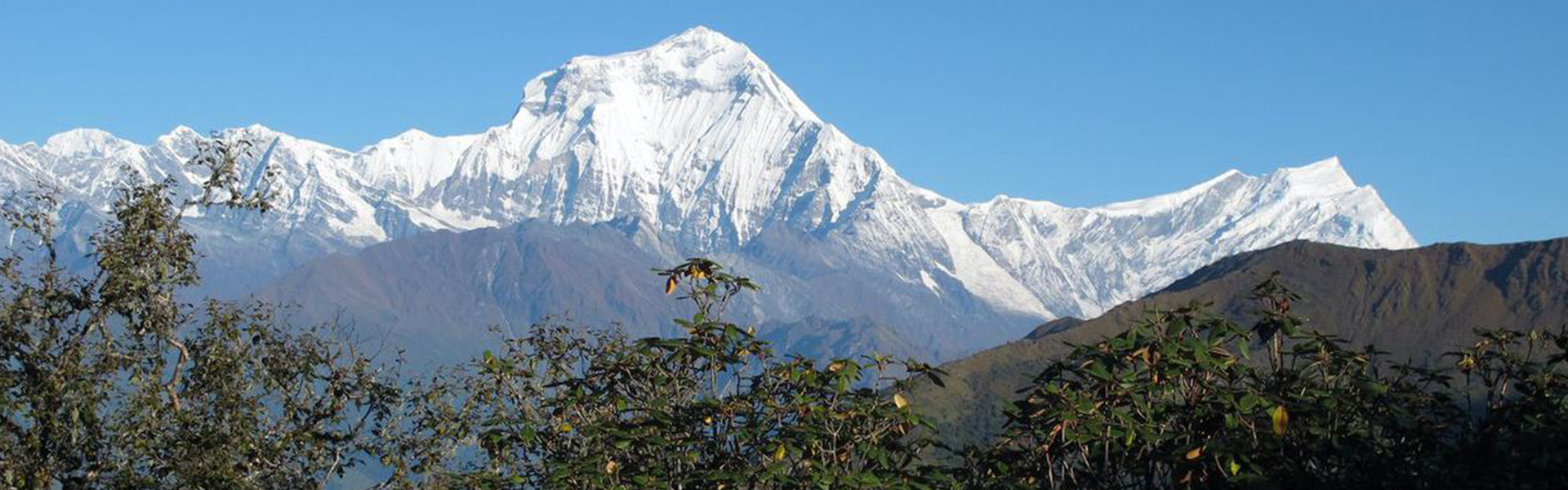
The Dhaulagiri Annapurna View Trek is a 12-day journey through some of the most rewarding ridge trails in Nepal, designed for travelers who want genuine Himalayan panoramas without the risks that come with very high altitude routes.
The trek begins in Kathmandu, moves to Pokhara, then heads into the hills through Banskharka, Nangi, Mohare Danda, Ghoreponi, Tadapani, and Ghandruk. Each stop gives you a different angle of the Dhaulagiri and Annapurna ranges, so you see the peaks from multiple sides rather than one fixed point.
Mohare Danda is the highest point of the route at around 3,300m, offering a broad ridge view of Dhaulagiri, Annapurna South, and Machhapuchhre. Poon Hill adds another strong sunrise viewpoint, while Ghorepani and Ghandruk bring cultural depth, simple food, and comfortable overnight stays.
Unlike the Annapurna Circuit Trek, which crosses Thorong La Pass at 5,416m, this route stays comfortably below 3,300m throughout. That means you avoid the higher altitude risks while still enjoying wide, sweeping Himalayan views across multiple ridges. It is a smart choice for first-time trekkers or anyone with limited time who still wants a strong mountain experience.
If you are drawn to going deeper into the Annapurna region, our Annapurna Base Camp Trek takes you further into the heart of the massif, though it requires more days and a higher fitness level.
The walking days on this route are varied. Some days climb steadily through forest and terraced fields, others drop through quieter village paths. Expect basic but comfortable teahouse rooms, simple local meals, and early nights. The approach to Mohare Danda in particular feels noticeably less crowded than the classic Annapurna trails, making it a genuinely off-the-beaten-path experience without sacrificing the views.
This trek works best in spring (March to May) and autumn (September to November), and suits anyone in reasonable health who wants Himalayan panoramas, village life, and a manageable daily walking pace within a 12-day window.
You arrive in Kathmandu. The time of your flight arrival determines your activities which include rest time and equipment collection and meeting with your guide. Your stay will be at a hotel located in Kathmandu.

Activity: Arrival

Max. Altitude: 1,350m/4,429ft. (Kathmandu)

Accommodation: Hotel
You will dedicate your entire day to discover all the essential cultural attractions in Kathmandu.
Activity: Arrival
Max. Altitude: 1,350m/4,429ft. (Kathmandu)

Meal: Breakfast
Accommodation: Hotel
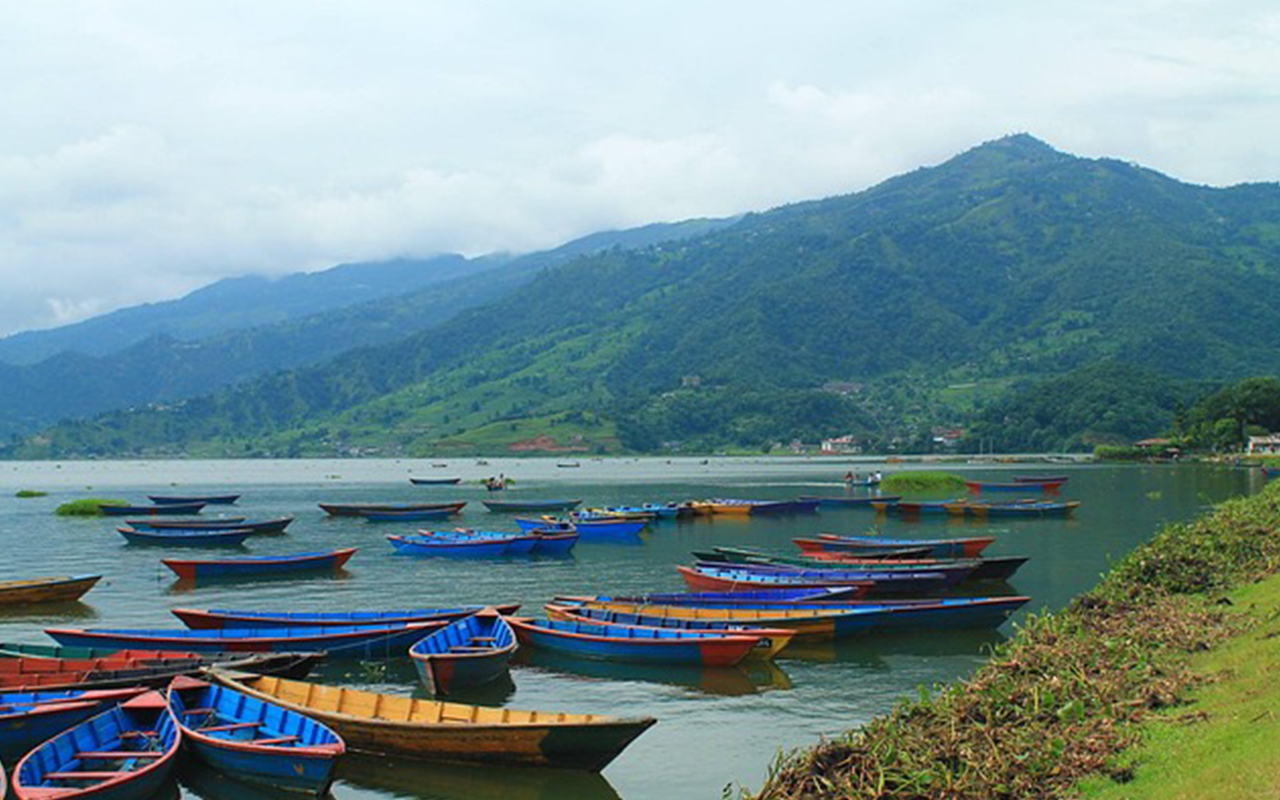
The journey from Kathmandu to Pokhara starts with either driving or taking a flight. The normal driving duration between these locations amounts to 7-8 hours but flying between them takes only 25 minutes. After arriving in Pokhara you can unwind by taking a boat ride across Fewa Lake while enjoying the Annapurna mountain range views during sunset or sunset reflections. The boat ride provides a serene experience while you drift through the water under the mountainous scenery of the Annapurna range during sunset or sunset reflections. Your stay will be at one of the hotels in Pokhara.
Activity: Drive 6-7 hours
Max. Altitude: 850m/2,789ft. (Pokhara)
Meal: Breakfast
Accommodation: Hotel
The journey from Pokhara leads to Beni which serves as a central location in the region. The transfer from Beni to Banskharka marks the start of your trekking adventure. The village of Banskharka exists at a height of approximately 1,400 meters above sea level. The lodge in Banskharka provides accommodation for your overnight stay.
The path from Banskharka leads you to Nangethanthi as your destination for this day at an elevation of 2,345 meters. The path leads to a moderate elevation gain throughout this section. Nangethanthi is also called as Nagi or Nangthi. The day provides excellent opportunities for body adjustment to higher elevations because you rise in height but at a controlled pace. The lodge in Nangethanthi/Nagi provides your accommodation for the night.
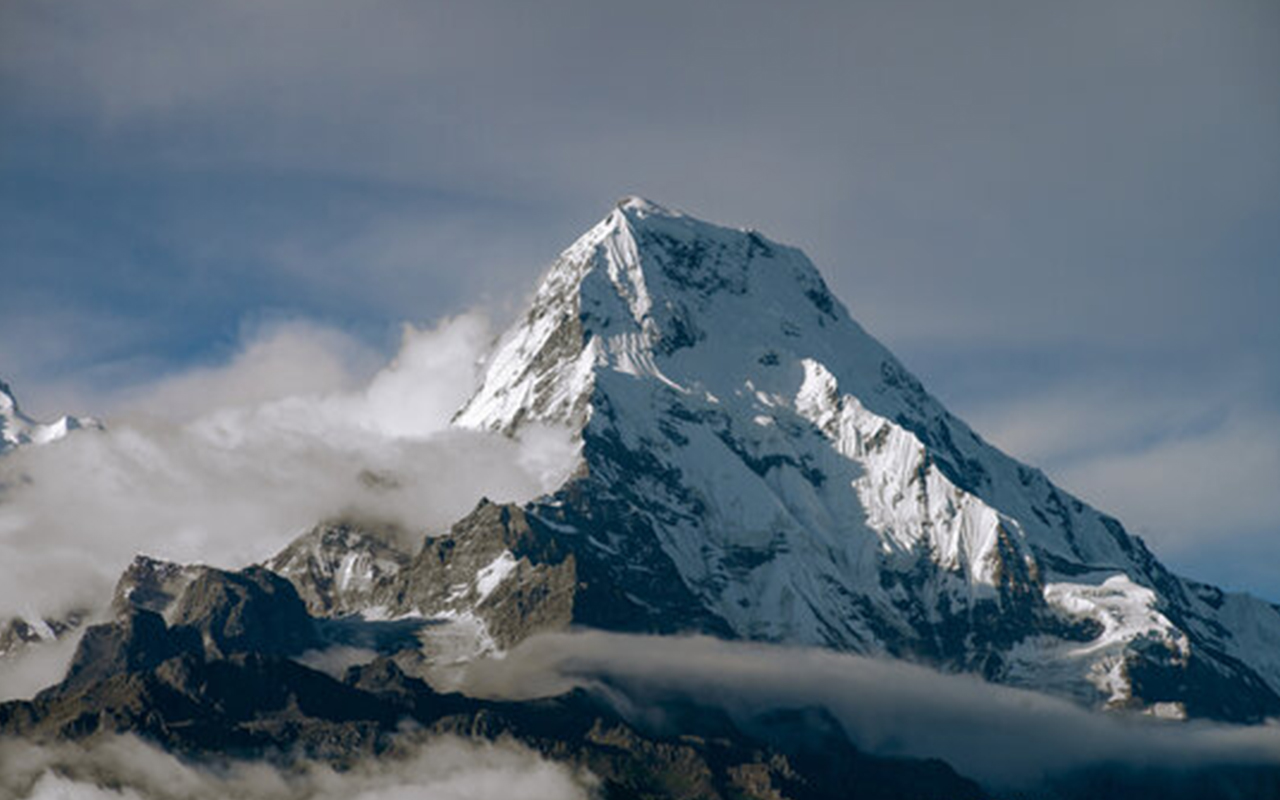
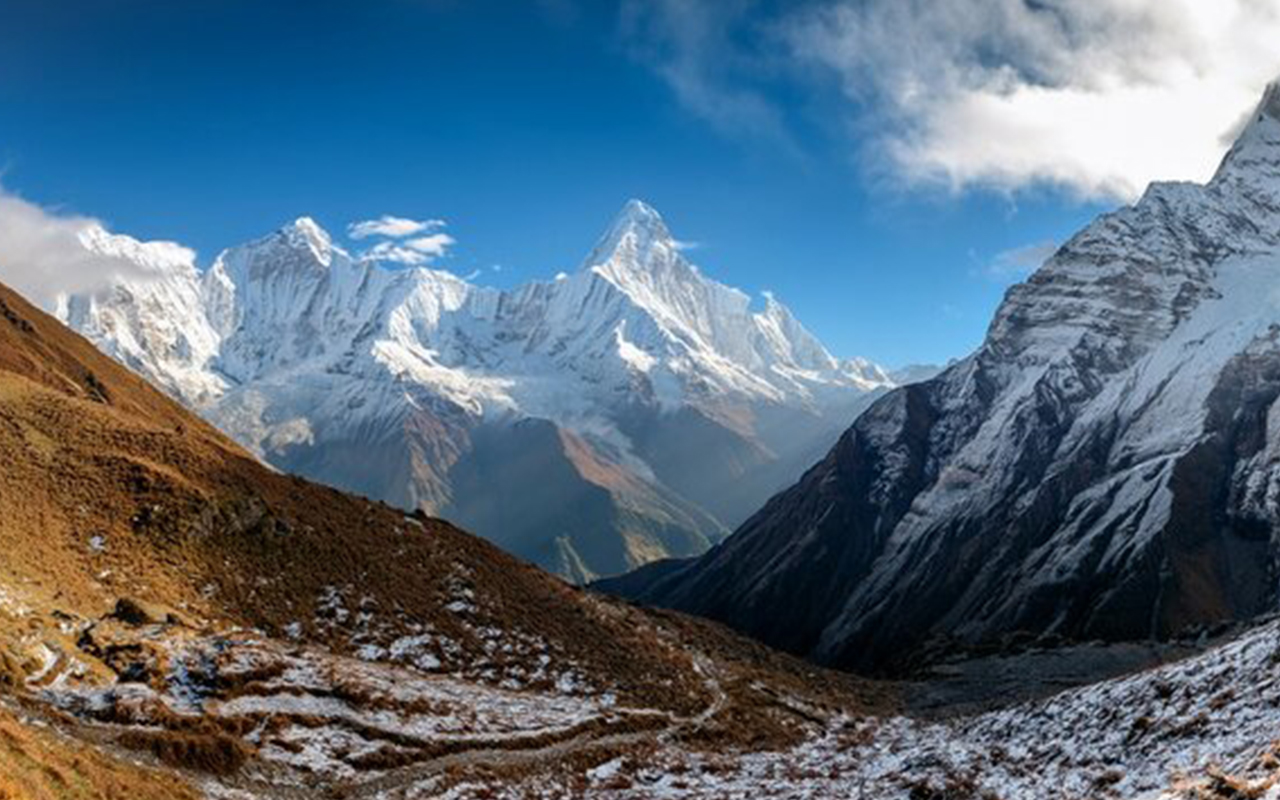
Today is quite a tough one physically. You’ll make your way from Nagi up to Mohare Danda, which sits at around 3,300 meters high. The path takes you through oak and rhododendron woods, with a steady climb. Once on the ridge, you’ll find yourself at Mohare Danda, a ridge-top spot offering fantastic views of peaks like Dhaulagiri I (about 8,167 meters), Annapurna I (roughly 8,091 meters), Annapurna South, Machhapuchhre, Hiunchuli, Nilgiri, and more. Spend the night in a community lodge on Mohare Danda.
If you’re up for it, rise early to catch the sunrise from Poon Hill (approximately 3,210 meters). From there, you’ll have sweeping panoramic views of the Annapurna and Dhaulagiri ranges. After taking it all in at the viewpoint, head back down to Ghorepani which usually takes about 5–6 hours. You’ll go through meadows on ridges and forests along the way. Overnight stay in Ghorepani (elevation between roughly 2,850–2,900 meters depending on your path).
Start your day with breakfast in Ghorepani before heading toward Tadapani. The route winds through forests filled with rhododendron and oak trees and includes both uphill and downhill sections. Tadapani is situated around 2,630 meters. Stay overnight in a lodge there.
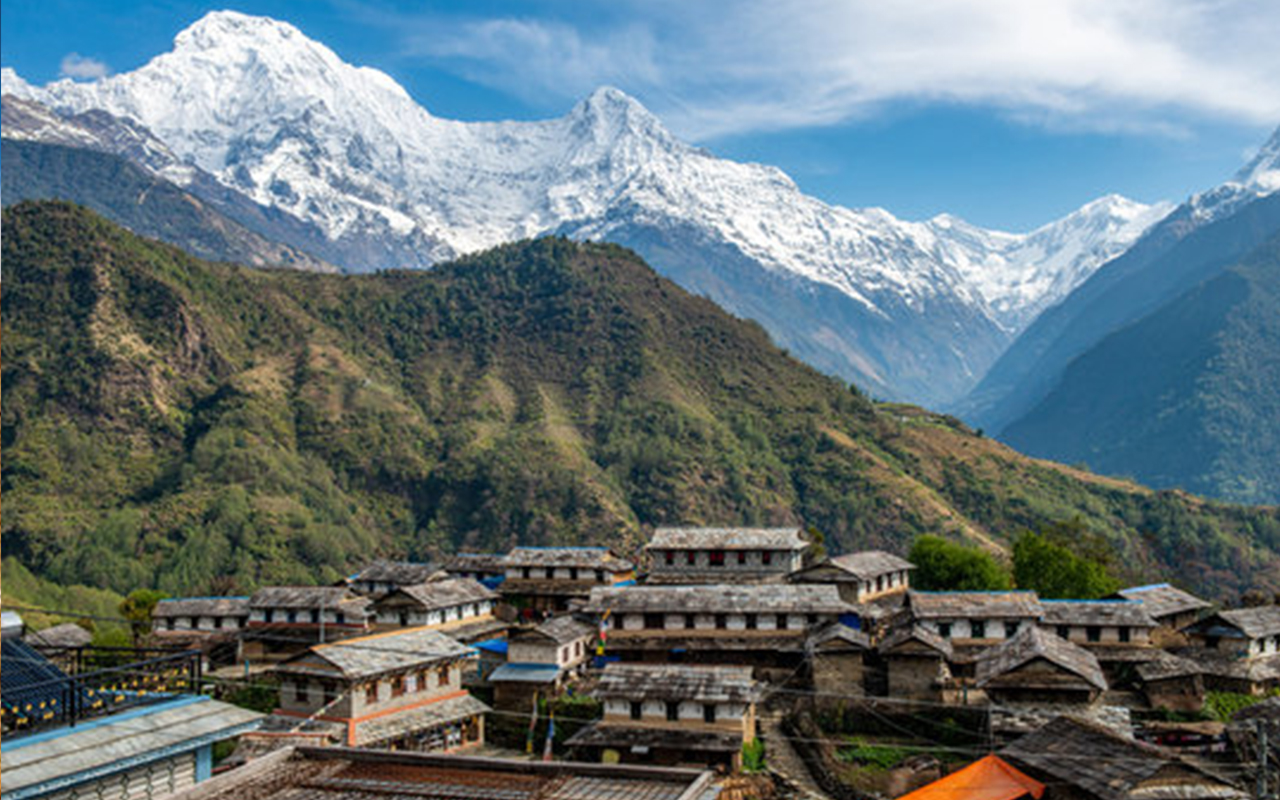
Set off from Tadapani as you descend toward Ghandruk, a village belonging to the Gurung community. This leg of the journey typically lasts about 3–4 hours. In Ghandruk (at an altitude of approximately 1,940 meters), you can check out the Gurung Museum or wander through the village while enjoying local hospitality. Spend the night in Ghandruk.
Drive (or fly) back to Kathmandu. This is your recovery day: rest, maybe souvenir shopping, or catch up on anything you missed earlier. Overnight in Kathmandu.
After breakfast, you are transferred to the airport for your flight out. Reflect on your trek or maybe plan your next trip.

Note:
If you have a private group and prefer a personalized experience, we can organize a custom trip tailored to your requirements and group size, running it any day you choose.
Practical Tips for Trekking
Why This Trek Works Well for You
Difficulty
Moderate
Duration
2-16 People
Duration
12 Days
Accommodation
Hotel,Teahouse
Best Time
Mar - May, Sep - Nov
Max Alt
3,300m (10,827ft)
The Annapurna Dhaulagiri Panorama Trek name itself makes sense as you get broad, sweeping mountain views not just from one point, but from multiple ridges (Mohare Danda, Poon Hill, Ghandruk) that give different perspectives of the Himalayan range. This is not a base-camp trek. You don’t go deep into glacial valleys or high passes like in the full Dhaulagiri Circuit. That makes it more accessible for people who want Himalayan views without high-altitude risk. If you are not experienced trekkers, this “view trek” option is smart. You will see both Dhaulagiri and Annapurna ranges and that’s rare on many short treks
October in Fall and April in May will be the excellent months for the Dhaulagiri Annapurna View Trek.