

Difficulty
Moderate

Duration
16 Days

Accommodation
Local Lodges

Best Time
Spring and Autumn

Max Alt
4,610m (15,125ft)

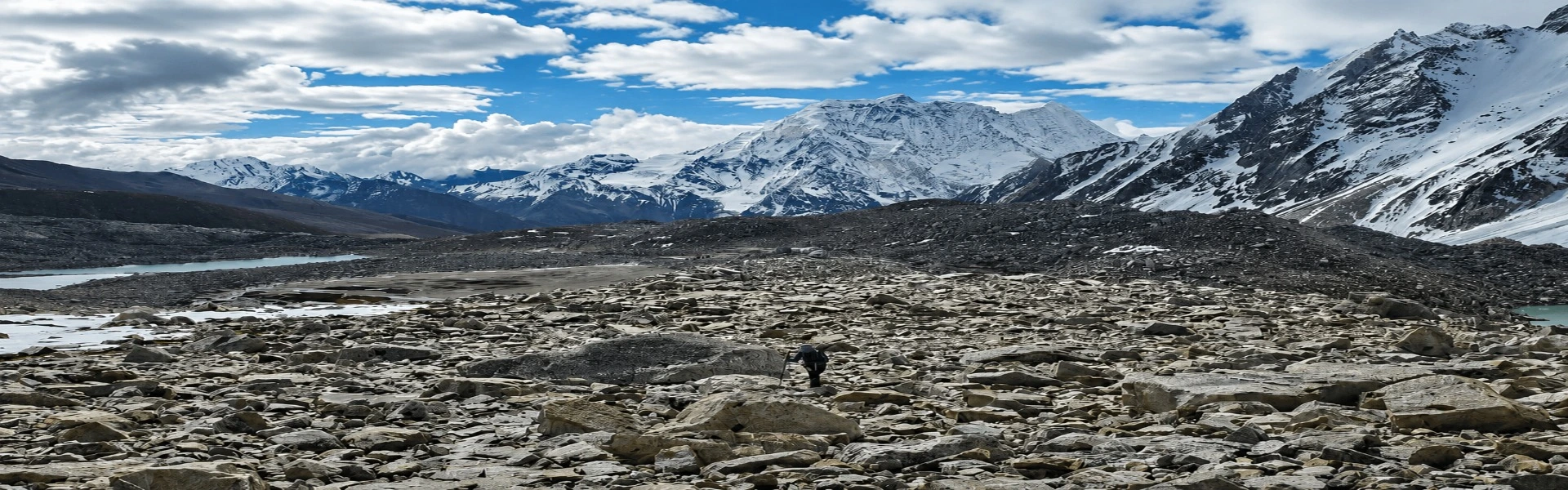
The Langtang Gosaikunda Helambu trekking trail is one of the most fulfilling trekking experiences in Nepal. This trekking experience provides a variety of the Langtang Valley, the holy lakes of Gosaikunda, and the cultural heritage of the Helambu Valley. North of Kathmandu, the trek combines beautiful views of mountains, villages, alpine landscapes, and sacred sites.
Unlike a lot of trekking paths in the remote corners of the Himalayas, the Langtang area sits pretty close to Kathmandu but still comes across as wild and untouched. One passes through rhododendron forests, high alpine meadows, glacial valleys, as well as picturesque Tamang and Sherpa villages during the trek. This makes the trek a perfect choice for those who want to wander around for natural beauty and a taste of the Himalayan culture.
This route also leads through the Gosainkunda Lake, which is a Hindu and Buddhist sacred pilgrimage site. Every year, thousands of pilgrims visit this lake during the Janai Purnima festival. The route then goes through the quiet area of Helambu before finally returning to Kathmandu.
Taking in the various landscapes and cultures you come across on the way, it is no wonder that this trek has become one of the most popular trekking routes in Nepal with the spectacular mountains as a backdrop.
This is followed by a trek through Langtang, Gosaikunda, and Helambu, which are the main parts of the Langtang Gosaikunda Helambu Trek. From there, the trekkers will walk along the Langtang River valley through dense forests and villages until they reach the renowned Langtang Valley.
After visiting Kyangjin Gompa and hiking to view points such as Tserko Ri, the route heads back towards Lama Hotel and then ascends towards the Gosaikunda region. The route passes through Thulo Syabru and Shin Gompa before reaching the sacred lakes.
The trek then goes on to traverse high ridges and alpine terrain before finally descending into the green hills of Helambu. This area is famous for its Buddhist monasteries, traditional Sherpa villages, and cultivated farmland.
Finally, the adventure comes to an end at Melamchi Bazaar, from where the return journey to Kathmandu is made. Generally, trekkers trek for 5 to 7 hours daily, and the trek extends to a maximum height of 4,610 meters near Laurebina Pass.
Timing is everything when it comes to trekking in the Himalayas. The best seasons to visit Langtang Gosaikunda Helambu Trek are:
Spring (March to May)
One of the most beautiful seasons to trek in Nepal is spring. The forests are filled with colorful rhododendrons, and the weather is warm and pleasant. The sky is usually clear, and there are wonderful views of the mountains.
Autumn (September – November)
Autumn is considered to be the best of all seasons. The weather is stable, the skies are crystal clear, and the views of the mountains are at their best. The trails are dry and comfortable to walk on, hence the most popular season for trekking.
Winter (December – February)
Winter trekking is possible, but the temperature drops considerably at higher altitudes. There may be snow cover over some parts of the trail.
Monsoon (June – August)
The monsoon season is not suitable for trekking, as heavy rains and slippery paths can cause difficulty.
The difficulty of Langtang Gosaikunda Helambu trek has been rated as moderate to difficult. Trekkers need to walk for long hours on different terrains, like forest, stone and ridge during the trek.
The biggest challenge is altitude and crossing at about 4,610 meters at Laurebina Pass. However, the trek does not require any technical skills of climbing. Even novice trekkers complete the trek with proper preparation and fitness levels.
Trekkers have to obtain the following permits to complete Langtang Gosaikunda Helambu Trek.
This helps in the conservation of the area and safety of the trekkers within the trekking region.
The type of accommodation along the trekking route varies from teahouses to local lodges. There are basic simple facilities available, and the rooms are comfortable enough for travelers.
Typically, the food during the trek is served in the following form:
Dal Bhat (rice, lentils, and vegetables), Noodles and soups, Tibetan bread and pancakes, Fried rice, potatoes, Tea, coffee, and other hot beverages.
At higher altitudes the meals become simpler but still they are warm and nutritious providing energy required for trekking.
Prime Holiday Travel and Tour offers a safe, comfortable, and memorable trekking experience in Nepal. With experienced guides, well-planned itineraries, and personalized service, this company assists you in exploring the Himalayas with confidence and ease.
From permit arrangements and transportation to accommodation and professional trekking assistance, everything is well managed to help you enjoy your Langtang Gosaikunda Helambu Trek adventure to the fullest.
The Langtang Gosaikunda Helambu Trek is one of the most diverse trekking experiences in Nepal. In just a couple of weeks you can have glacier valleys, sacred alpine lakes, traditional mountain villages and peaceful Himalayan trails.
Whether it is cultural experiences, scenic views, or spiritual sites like Gosaikunda Lake, this trek provides an unforgettable experience in the heart of the Himalayas.
Langtang Gosaikunda Helambu Trek is definitely a perfect choice for the travelers who want to have a different trekking experience close to Kathmandu and want to have a lot of adventure in the journey.
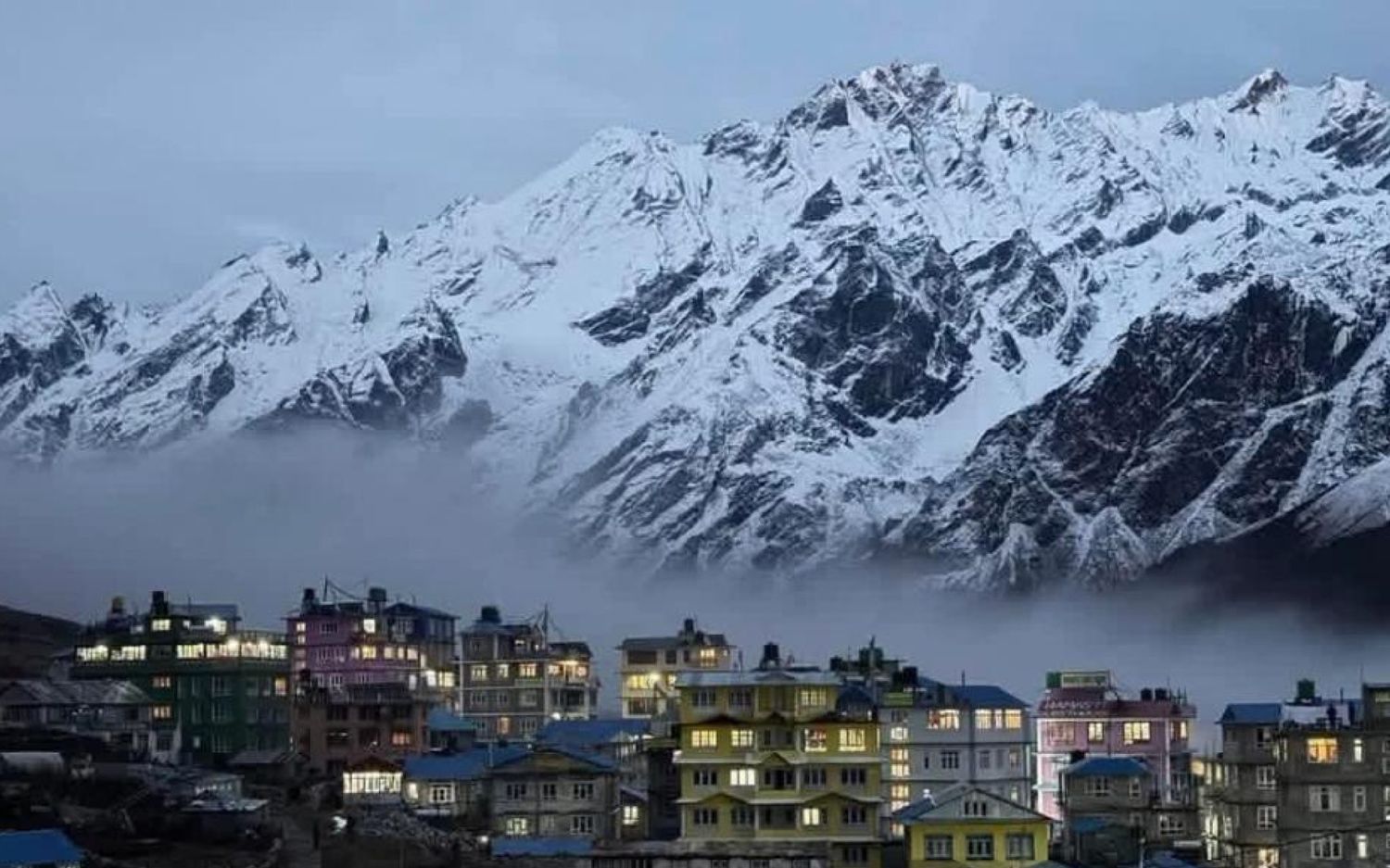
The Langtang Valley is one of the most picturesque trekking trails in Nepal. Gosaikunda Lake is a sacred alpine lake located at a high altitude. Spectacular views of Langtang Himal, Ganesh Himal and other Himalyan peaks. Tamang, Sherpa village and village life. Hike through forests of rhododendron, bamboo, and pine, then up to Tserko Ri for spectacular views of the Himalayas in the early morning light. Explore peaceful villages and monasteries of Helambu. Varied trek with culture, mountains, lakes and forests.
The first step of your journey is your arrival at Kathmandu, which is the capital city of Nepal. You will be received at Tribhuvan International Airport by a representative of Prime Holiday Travel and Tour and taken to your hotel.
After the check-in procedure, you can relax and rest after your flight. If time allows, take a short walk around Thamel streets which is the main tourist area of Kathmandu. There are plenty of trekking shops, restaurants, cafes, and cultural attractions in this area.
In the evening, your trekking guide will give you a Langtang Gosaikunda Helambu Trek itinerary, safety tips, and other requirements for the adventure journey ahead.
Overnight stay at Kathmandu.

Max. Altitude: 1,400m/4,593ft. (Kathmandu)
Today is a driving day as we leave Kathmandu and head to Langtang valley. It is a drive through winding mountain roads, farmlands, villages and river valleys.
As the road climbs into the hills, distant views of the Himalayas appear, including the Ganesh and Langtang ranges if the weather is clear. The drive along the road is alongside the Trishuli River before reaching the small town of Syabrubesi.
Syabrubesi is the entrance to the Langtang Valley trek and acts as the base for many trekking routes in the area.
Overnight stay at a local lodge in Syabrubesi.

Activity: 6-7 Hours.
Max. Altitude: 1,464m/4,803ft. (Syabrubesi)
Today your trek begins. Your trek starts with a crossing of suspension bridge over Bhote Kosi River and then followed by trekking along Langtang River.
During your trekking period you pass through thick forests of bamboo, rhododendron and oak trees. There are monkeys, Himalayan black bears, and even red pandas in these forests.
The trail is still on a gradual ascent through small villages like Bamboo and Rimche before it reaches Lama Hotel which is a quiet retreat due to its location among forests and mountains. Accommodation is at the Lama Hotel.
Activity: 6 hours
After breakfast, the day’s trekking starts through lovely forests before the path passes through larger valleys. As you ascend to higher altitudes, you get a view of snow-capped mountains.
Along the way, you will cross Ghodatabela, which is another beautiful spot where the valley opens out and the mountains offer breathtaking views. From here, it is further to Langtang Village.
Langtang Village was hit hard by the earthquake in 2015 but has since been rebuilt with community spirit. A visit to the village will give one an insight into the strength and culture of the local Tamang community.
A short trek from Langtang Village will take you to Mundu, where you’ll stay for the night.
Activity: 6-7 hours
Max. Altitude: 3,540m/11,614ft. (Mundu)
The trek to Kyangjin Gompa is short but picturesque, ascents through grazing land of yaks and high alpine areas to the Yak alpine settlements, giving one spectacular views of Langtang Lirung and other magnificent mountains as Kyangjin Gompa comes into sight. The village itself is a scenic Himalayan village that is encircled by glaciers and mountain ranges.
Kyangjin Gompa is also home to a famous monastery and a small cheese factory, specializing in yak cheese. Freely spend the afternoon within the monastery and village and taking in the stunning views of the surrounding mountains. Kyangjin Gompa overnight.
Activity: 3-4 hours
Max. Altitude: 3,870m/12,697ft. (Kyangjin Gompa)
As a day of acclimatization is kept free today to acclimatize themselves to higher altitudes. A well-trodden day-hike from Kyangjin Gompa is to Tserko Ri, which is considered one of the finest viewpoints in the Langtang Valley.
In the early morning hike there are spectacular views of Langtang Lirung, Dorje Lakpa, Gangchempo and other Himalayan peaks. After taking in the views and capturing the moments, you return to Kyangjin Gompa.
The preparation is, therefore, necessary to ensure your body gets used to the high altitude and prepares you for the high-altitude trekking. Stay overnight at Kyangjin Gompa.
Max. Altitude: 5,000m/16,404ft. (Kyangjin Gompa)
Breakfast is followed by a descent journey back through the Langtang Valley. The descent is easy and the view is different. The trail then passes through Langtang Village and forests before reaching Lama Hotel again. The walk is enjoyable, and the trail is mostly downhill. Lama Hotel overnight.
Activity: 6-7 hours
This is the day the trekking trail diverges from Langtang valley trek and proceeds towards the Gosaikunda area. Hiking through the forested hills, you will ascend to the traditional Tamang village of Thulo Syabru. The village has panoramic views of Langtang Himal and Ganesh Himal.
The cultural aspect of this village is also worth observing in relation to mountain culture and Buddhist practices. Stay overnight in Thulo Syabru.
Activity: 5-6 hours
Max. Altitude: 2,250m/7,382ft. (Thulo Syabru)
The trek for the day is full of glimpses of forest landscapes. Today the trek passes over a steady incline through thick rhododendron, oak, and pine forests. The rhododendron forests are red and pink at spring time.
You finally come to Shin Gompa or Chandanbari. The village is known for its monastery and also for its cheese factory where fresh Himalayan cheese can be tasted. Stay overnight at Shin Gompa.
Activity: 5 hours
Max. Altitude: 3,330m/10,925ft. (Shin Gompa)
Trek to the holy lakes of Gosaikunda is on today’s agenda. The route goes steadily uphill above the tree line. Overnight stay near Gosaikunda Lake.
As you ascend higher, the terrain becomes more and more rugged and picturesque. You will cross many small lakes before reaching the major lake.
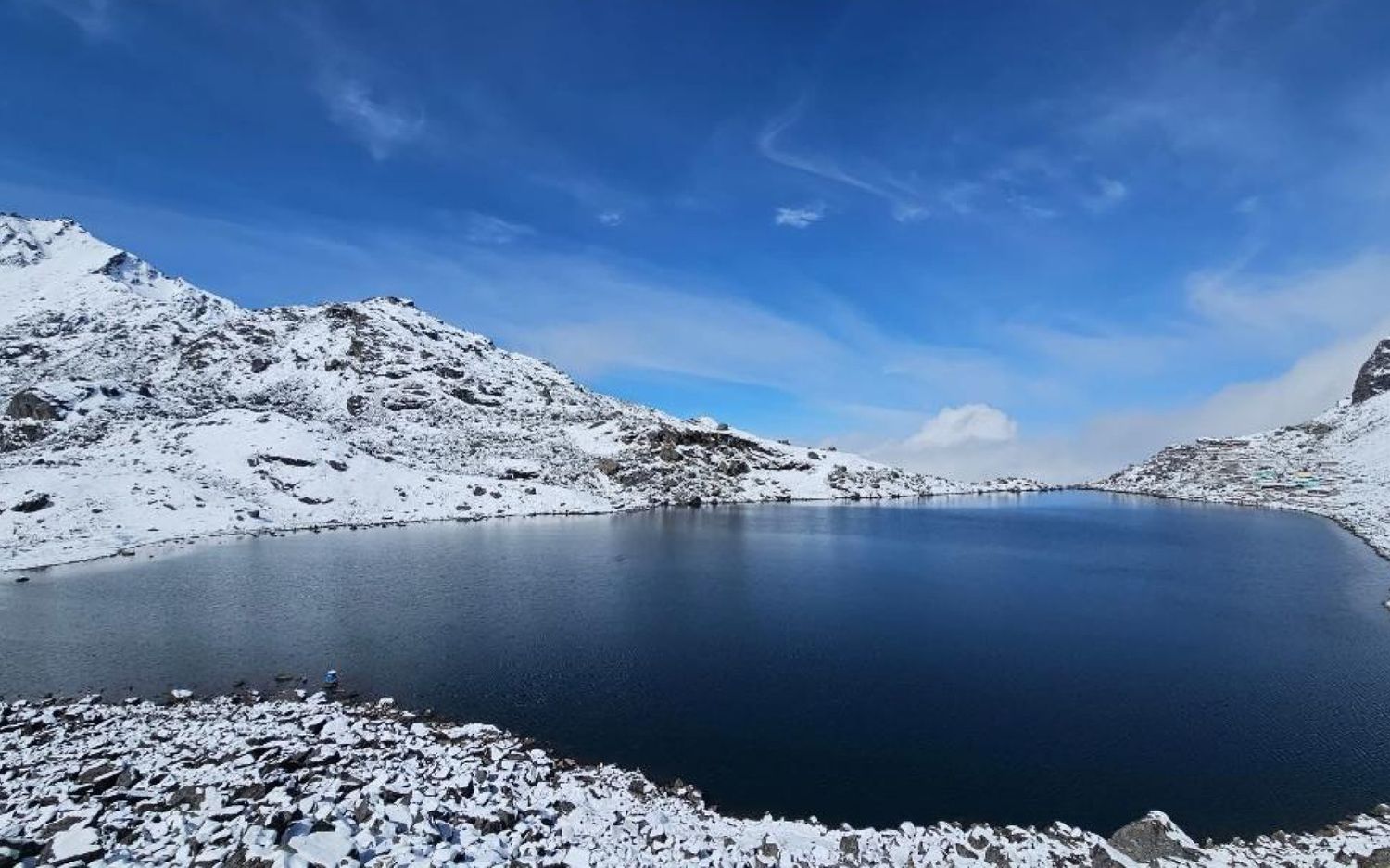
Gosaikunda is an important place of pilgrimage for Hindus and Buddhists. According to Hindu mythology, this lake was created by Lord Shiva.
The turquoise-colored lake in the snow-covered mountains is an unforgettable sight.
Activity: 5-6 hours
Max. Altitude: 4,378m/14,364ft. (Near Gosaikunda Lake)
It is the most adventurous day of the trek. The trek thus includes Laurebina Pass, which is the highest peak of the trek and is located at 4,610 metres above sea level.
From this point, there are beautiful views of the Himalayas, and then we descend to Ghopte.
The route takes you through rocky terrain, alpine meadows, and remote mountain trails.
Overnight stay at Ghopte.
Activity: 6-7 hours
Max. Altitude: 4,380m/14,370ft. (Ghopte)
The trail descends slowly through forest and ridges as you enter into Helambu region. This area is famous for its peaceful villages, Buddhist culture, and scenic views.
Along this route, you can also catch a glimpse of monasteries, prayer wheels, and prayer flags.
Finally, you arrive at Melamchi Gaun, a Sherpa village with traditional houses and welcoming people. Stay overnight at Melamchi Gaun.
Activity: 6 hours
We trek through hills and forests today. There are wonderful views of farmland and the Himalayas on the way.
You finally reach Tarkeghyang, which is one of the biggest villages in the Helambu area. It has a renowned old monastery with a famous Buddhist culture. Sleep overnight at Tarkeghyang.
It is an easy and beautiful trek today. We walk through forests, villages and ridges offering panoramic views of the surrounding mountain range.
Sermathang is a peaceful village, with monasteries, chortens and prayer walls showing signs of spirituality of the Helambu area. Overnight stay at Sermathang.
Activity: 4-5 hours
The last day of the trekking trail is through the villages and farming fields, you finally come down to the Melamchi Bazaar. Then follows a scenic drive back to Kathmandu.
On returning to the city, you have either a choice of resting in your hotel or exploring the market areas. Rest for the night in Kathmandu.
Activity: 4 hours trek & 4 hours drive
Your Langtang Gosaikunda Helambu Trek ends today. Depending upon your flight schedule, you may have time to do some last-minute shopping or sightseeing in Kathmandu.
A representative from Prime Holiday Travel and Tour will accompany you to the airport for your departure. You depart Nepal with amazing memories of the Himalayas, holy lakes, mountain culture, and trekking experiences.

Note:
If you have a private group and prefer a personalized experience, we can organize a custom trip tailored to your requirements and group size, running it any day you choose.
Difficulty
Moderate
Duration
16 Days
Accommodation
Local Lodges
Best Time
Spring and Autumn
Max Alt
4,610m (15,125ft)