TOP
SELLER
Budget
icon

Difficulty

Easy

Trek Overview

An unforgettable journey to one of Nepal’s most scenic trekking destinations beneath the majestic Machhapuchhre

Mardi Himal Trek at a Glance

The Mardi Himal Trek has quickly become one of Nepal’s most looked after short trekking adventures. In the Annapurna region, this trek takes trekkers through thick rhododendron woods, mountain villages, along with some amazing ridgeline views before they finally reach the Mardi Himal Base Camp, which sits at about 4,500 meters.

Unlike some of Nepal’s busier trekking routes, the Mardi Himal Trek feels calmer, but still gives you these jaw dropping views of some of the Himalayas most iconic peaks.

Trek Fact  Details
Duration 9 Days
Maximum Altitude Mardi Himal Base Camp (4,500m)
Trek Grade Moderate
Trek Region Annapurna Region
Starting Point Kathmandu
Main Trek Starting Point Kande/Deurali
Ending Point Sidding
Accommodation mostly Tea Houses and mountain lodges
Best Seasons Spring and Autumn
Required Permits Annapurna Conservation Area Permit (ACAP) and applicable trekking permits
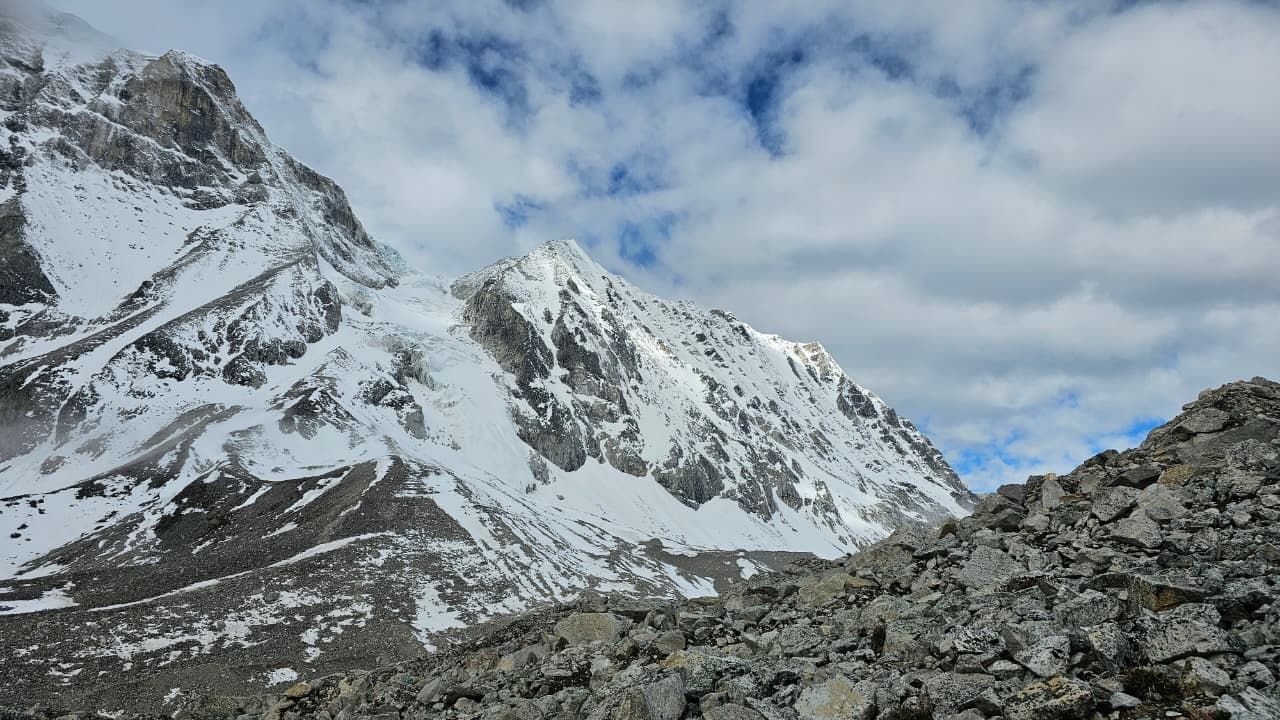
Major Highlights Mardi Himal Base Camp, Machhapuchhre, Annapurna South, Rhododendron Forests, Ridge walks


Why Choose the Mardi Himal Trek?  

A less-crowded path under Nepal’s sacred peak

The Mardi Himal Trek is an excellent alternative to a few of the heavily traveled paths in the Annapurna area. While thousands of trekkers make their way toward Annapurna Base Camp every year, Mardi Himal stays noticeably more peaceful.

The path follows a ridge down below the eye catching pyramid shaped Machhapuchhre, which is also called Fishtail Mountain. Since Machhapuchhre has a deep cultural, and spiritual value here in Nepal, climbers usually aren’t allowed to summit the peak, which also helps to preserve its pristine beauty.

Big Himalayan Views without a long Expedition  

Many travelers want to see Nepal’s mountain landscapes but they may not have several weeks to do full trekking.

The Mardi Himal Trek handles that whole challenge smoothly.

Within a rather short itinerary, trekkers get to higher elevation lookouts, where they can view the dramatic panoramas of Annapurna South, Hiunchuli, Mardi Himal and Machhapuchhre.

Easily accessible from Pokhara

One reason the trek is getting more popular is because it lies in such a convenient location.

After a long drive from Kathmandu to Pokhara, travelers can get to the trailhead pretty quickly. This accessibility makes the trek a good choice for visitors who want a rewarding Himalayan experience in a short time frame.

Highlights of the Mardi Himal Trek 

Mardi Himal Trek is the blend of natural beauty, cultural meetings, and you get those satisfying high mountain views all along the way. 

Trek Highlights  

  • Get up to Mardi Himal Base Camp at 4,500 meters  
  • Have a close-up look of Machhapuchhre, the Fishtail Mountain  
  • See those amazing vistas, of Annapurna South and Hiunchuli
  • Wander through the thick, rhododendron   and oak forests  
  • Try traditional mountain hospitality in the local tea  houses 
  • Hike along beautiful ridgelines where the Himalayan panorama stays wide open
  • Watch the landscapes shifting from subtropical forests into alpine ground
  • Get pictures of these breathtaking sunrise and sunset mountain views
  • Wander on calmer, less crowded paths across the Annapurna area 
  • Live through real village moments far from big tourist hotspots

What Makes This Trek Special?  

Walking Underneath the Machhapuchhre  

Not many trekking routes across Nepal bring travelers so near, Machhapuchhre, like the Mardi Himal Trek does.

Throughout the journey, the mountain takes over the skyline. It’s sharp summit and that elegant shape makes a recognizable profile of the Himalayas.

Many trekkers mention that the sight you get from High Camp and also Base Camp feels is one of the most unforgettable parts of the trip. 

Changing Landscapes Every Day  

Honestly one of the most fascinating thing about the trek is how the scenery changes all the time. 

The lower sections go through lush forests full of moss covered trees, and colorful rhododendron blooms in spring. By the time the trekkers come close to Base Camp, the landscape feels wildly different than where they began.

Authentic Mountain Experience Far from crowds

The path goes through tiny settlements and remote mountain lodges. 

This makes it a more personal trek, so travelers can chat with local people and take in that quiet, still atmosphere of the Himalayas, without huge crowds around.

Short Duration, High Reward  

A lot of Himalayan treks usually take like two to three weeks to finish.

Mardi Himal gives you remarkable mountain views into a much shorter time frame, perfect for travelers who want the thrill and also efficiency.

Detailed Mardi Himal Trek Itinerary

Route Overview

Day 1 Arrival in Kathmandu Kathmandu
Day 2 Drive Kathmandu to Pokhara and Trek to Deurali Deurali
Day 3 Trek Deurali to Forest Camp Forest Camp
Day 4 Trek Forest Camp to Low Camp Low Camp
Day 5 Trek Low Camp to High Camp High Camp
Day 6 Mardi Himal Base Camp Excursion and Return High Camp
Day 7 Trek to Sidding and Drive to Pokhara Pokhara
Day 8 Drive to Kathmandu Kathmandu
Day 9 Final Departure Departure


Day 1 – Arrival in Kathmandu  

Your Mardi Himal Trek adventure starts after you land in Kathmandu, Nepal’s lively capital city.

After you finish up the airport formalities, you then transfer to your hotel and just settle in there. Depending on what time you arrive, you can wander around nearby markets, check out heritage places, or savor traditional Nepali cuisine.

Most trekking operators do a pre-trek briefing in the evening. This session runs through the schedule details, permits, what the weather conditions look like, safety procedures, and also equipment checks.

Day 2 – Drive from Kathmandu to Pokhara and Trek toward Deurali  

This day starts with a scenic drive from Kathmandu to Pokhara.

The route goes along winding highways along the rivers, terraced hillsides, and rural settlements. On clear days, those far off Himalayan peaks show up sometimes along the horizon.

After you finally reach the Pokhara, you keep going toward the trail starting point and start walking toward Deurali.

On the first trekking day, you get into the beautiful landscapes that shape the Annapurna region.

An overnight stay happens in a small mountain lodge at Deurali.

Day 3 – Trek from Deurali to Forest Camp  

The route starts to slowly slip into dense woodland, mostly packed with rhododendron, oak, and maple. 

Birdsong tag along with most of the day walking, while from time to time there are openings in the forest, and you suddenly see glimpses of the hills and the mountains beyond.

Forest Camp sits in quiet little clearing, surrounded by nature.

The atmosphere here feels different from those hectic trekking centers you find in other parts of Nepal.

Day 4 – Trek from Forest Camp to Low Camp

This day starts with going a bit uphill again, through these enchanting forest stretches.

As the trail starts climbing higher the vegetation gets thinner and then the first meaningful mountain views start coming through gradually.

Machhapuchhre starts to show up, between the trees giving trekkers a sneak preview of this spectacular scenery that’s up ahead on the trail.

Low Camp has really good viewpoints, and the mountain climate feels noticeably cooler.

Day 5 – Trek from Low Camp to High Camp  

Today’s climb feels different, the whole view gets dramatically changed, as we move up toward High Camp.

Dense forest fades into these open ridges, alpine meadows and mountain landscapes.

Many hikers find this stretch among the most beautiful parts of the whole trip.

Along the trail you get more and more impressive views of Annapurna South, Hiunchuli and Machhapuchhre.

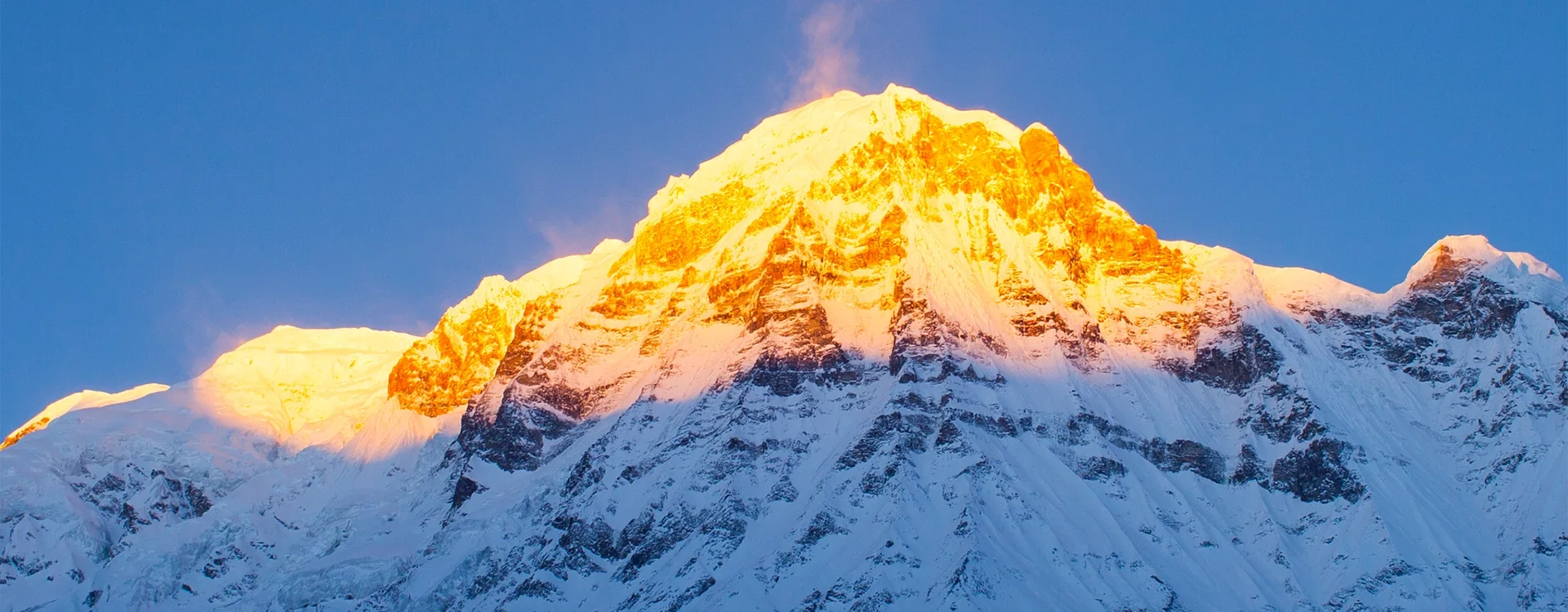
After getting to High Camp, travelers usually spend the evening just looking at the changing colors of the mountains, as sunset illuminates nearby peaks.

Day 6 – Trek from High Camp to Mardi Himal Base Camp (4,500m) and back to High Camp

Today is the highlight of the whole Mardi Himal Trek.

Trekkers often start the ascent before sunrise to benefit from more stable weather conditions and clear mountain views. The route goes along narrow ridge over the tree line going uphill toward the Mardi Himal Base Camp.

As you climb higher, the whole view gets more dramatic. Rugged mountain slopes, deep valleys and towering Himalayan peaks all around the path.

Getting to Mardi Himal Base Camp, at 4,500 meters, feels like real personal win. Up there from that spectacular viewpoint, trekkers usually get some of the very closest mountain views around the Annapurna region.

Machhapuchhre shows up like it is within touching distance, while Annapurna South, Hiunchuli, Mardi Himal, and other nearby summits take over the horizon.

After spending some time at the viewpoint, taking photographs, you make your way down carefully toward High Camp for an overnight stay.

Day 7 – Hike from High Camp to Sidding and then drive to Pokhara  

The way down goes over a different route, so hikers get to see new scenery and tiny communities.

The trail slowly goes down through forest patches, farmland, and the traditional villages. As the height lowers, temperatures get warmer and everything starts looking greener again.

Sidding is this calm mountain settlement where local residents keep on with traditional farming ways.

This part gives a small peek at rural Nepal, and you get the chance to watch everyday village life.

Once you reach Sidding, you drive back to Pokhara and enjoy a calm evening by the lakeside.

Day 8 – Drive back to Kathmandu  

After breakfast you start the return trip back toward Kathmandu.

The road goes through scenic river valleys, agricultural scenery, and hillside communities. This is a great chance to look back at the earlier trekking days, and the things we achieved along the journey.

After you arrive in Kathmandu, you can use the evening to wander through the local markets, pick up souvenirs, or stop by cultural landmarks.

Day 9 – Departure for Your Next Destination or Home Country  

Your Mardi Himal Trek adventure ends today.

Depending on your flight schedule, you might get some time for last-minute sightseeing or shopping before you head over to the airport. 

Many travelers choose to linger longer in Nepal by adding extra trekking journeys, wildlife tours, cultural engagements, or sightseeing excursions. 

As you leave, the memories of those giant Himalayan peaks, calm mountain trails and warm local hospitality stick around long after the whole journey ends.

Mountains Visible While Doing the Mardi Himal Trek  

One of the treks best charms is that unusually clear Mountain View, a real panorama.

On the trail you can catch continuous views of several famous Himalayan peaks, especially once you get past Low Camp and upward.

Mountain Elevation Best Viewing Areas
Machhapuchhre (Fishtail) 6,993m Low Camp, High Camp, Base Camp
Annapurna South 7,219m High Camp and Base Camp
Hiunchuli 6,441m High Camp and Base Camp
Annapurna I 8,091m Upper viewpoints and Base Camp
Gangapurna 7,455m High viewpoints
Mardi Himal 5,587m Base Camp Area


Machhapuchhre – the Icon of the Trek  

Machhapuchhre is without a doubt the main highlight of the Mardi Himal trekking. 

Its distinctive fishtail-shaped top creates this one of the most recognizable mountain silhouette in Nepal.

Annapurna South and Hiunchuli

These two neighbor peaks take over the western skyline and you get this beautiful photographic chance all along the trek. 

Annapurna I 

Becoming the tenth highest mountain in the world, Annapurna I brings this extra jolt of grandeur to the Himalayan panorama.

Trek Difficulty and Fitness Requirements

Is the Mardi Himal Trek really a fit for you? 

The Mardi Himal Trek sits in the moderate trekking zone.

Even though the route does not require technical climbing, it needs a few days of uphill and downhill walking around high elevations. 

Daily Walking Hours

On most trekking days it is like:

  • Approx. 4 to 7 hours of walking
  • Gradual climb in altitude
  • Uneven mountain paths 
  • Steeper paths close to High Camp and Base Camp

Altitude Considerations  

On the trek you reach a highest elevation of 4,500 meters at Mardi Himal Base Camp.

At this height, some trekkers can face mild issues connected to altitude gain.

Keeping a steady pace, staying hydrated, and follow your guide’s recommendations helps cut down the risks.

Suitable for Beginners  

Many first time trekkers manage to complete the Mardi Himal Trek.

However, trekkers should prepare by doing regular walking, hiking, or some cardiovascular exercise before they arrive.

A decent level of fitness really helps, and it makes the whole trekking experience a lot smoother.

Accommodation and Meals on the Trail

Mountain Lodges and Tea Houses  

Along the Mardi Himal route, staying options are mostly tea houses, and mountain lodges. 

These establishments offer simple yet comfortable setup for the trekkers.

Typical features usually have twin sharing rooms, dining halls with heating stoves, and in some places shared bathrooms as well. You’ll also find basic charging facilities, and mountain hospitality where there’s also local interaction which feels more personal.

As elevation goes up, the facilities are simpler, because operation at higher altitudes gets a lot harder.

Typical meals while trekking  

In the trek, the tea houses serve a range of meals that give you energy for walking. 

Some popular choices are Traditional Nepali dishes such as Dal Bhat where you get rice with lentils, and mixed vegetables. Another option is seasonal vegetable curries, pickles along with side dishes.

International and trail favorites

  • Fried rice  
  • Noodles  
  • Pasta dishes  
  • Soups
  • Momo
  • Pancakes  
  • Omelets 
  • Toast

Warm drinks 

  • Black tea  
  • Milk tea
  • Ginger tea  
  • Lemon tea  
  • Coffee  
  • Hot chocolate

Dal bhat ends up being the favorite meal for many trekkers, mainly because it gives you balanced nutrition and usually comes with extra refills.

Best time to Trek Mardi Himal  

The Mardi Himal Trek can be done through most of the year but some seasons feel more favorable than others.

Season Conditions Highlights
Spring (March–May) Mild temperatures and clear skies Rhododendron blooms and mountain views
Autumn (September–November) Stable weather and excellent visibility Peak trekking season
Winter (December–February) Cold temperatures and occasional snow Quiet trails and crisp views
Monsoon (June–August) Frequent rainfall and cloudy conditions Lush greenery and fewer visitors
Spring (March–May) Mild temperatures and clear skies Rhododendron blooms and mountain views


Spring (March–May)  

Spring is one of the most beautiful seasons to hike.

The forests burst into bright color, while rhododendrons bloom all across the hillsides, and the temperatures stay moderate which gives pleasant hiking conditions.

Autumn (September–November) 

Autumn is mostly seen as the best season.

Clear skies give you outstanding visibility and the weather stays stable so you can get consistent mountain views.

Winter (December–February)

 In winter, trails get real quiet and the views turn into snow draped landscape.

Trekkers should get ready for colder weather, especially when they get close to High Camp.

Monsoon season (June–August) 

The countryside gets lusher and there are less trekkers around.

However, rainfall, muddy trails, and less visibility might affect the overall experience.

Permits Needed for the Mardi Himal Trek  

Trekkers have to get the proper permits before stepping into the Annapurna zone.

Common requirements usually include: 

  • Annapurna Conservation Area Permit (ACAP), and 
  • Any trekking registrations are currently in effect with Nepal’s tourism authorities.

Permit regulations can change now and then, so travelers should double check the most recent requirements before they set off.

Prime Holiday Travel and Tour can help out with permits and trek related logistics.

Essential packing checklist 

Clothing  

  • Moisture wicking base layers  
  • Trekking shirts  
  • Insulated jacket, for the colder bits  
  • Waterproof jacket  
  • Trekking pants  
  • Warm hat  
  • Gloves  
  • Extra socks

Footwear

  • Comfortable trekking boots.  
  • Light camp shoes   
  • Gaiters (optional)  
  • Trekking gear
  • Daypack  
  • Trekking poles  
  • Water bottles
  • Headlamp  
  • Sunglasses  
  • Sunscreen  
  • Power bank

Personal Items

  • personal medications
  • toiletries
  • lip balm
  • wet wipes
  • hand sanitizer

Official papers

  • passport
  • travel insurance
  • permit documents
  • flight information
  • emergency contacts

Responsible Trekking Practices  

Responsible trekking helps keep Nepal’s mountain environments safe for future generations.

Follow the Leave No Trace Guidelines

Try to pack out waste whenever possible, and don’t leave any litter behind on the trail either.

Respect the local community 

Dress in a respectful manner, before photographing a person make sure you ask permission first. Also support local businesses whenever possible.

Minimize the environmental effect

Use reusable water bottles instead of those disposable ones, try to cut down on single use plastic.

Support local economies

Pick locally run tea houses, guides, and service providers whenever that’s feasible.

Frequently Asked Questions

How difficult is the Mardi Himal Trek?  

It’s generally seen as a moderate trek and for people who are pretty fit and work well even for beginners.

How high is Mardi Himal Base Camp?  

Mardi Himal Base Camp is around 4,500 meters above sea level.

Can the beginners complete the trek?

Yes, beginners can do the trek. Most first time trekkers manage to finish the route, with the right prep and gear. 

What season is best for the trek? 

For most people, spring and autumn due to favorable weather and clearer mountain views.

Do I need a guide or not?

Current trekking regulations can ask for a licensed guide in certain trekking areas like some mountain routes or remote zones. Always check what’s in effect right now before you travel.

How many days does the trek take?  

Most trip plans run about 5 to 9 days, depends on where you start and how the travel arrangements are set up.

Is altitude sickness a concern? 

Yes, altitude can affect some trekkers once they are above around 3,000 meters, so a slow ascent and staying well hydrated is still important.

How far is Mardi Himal from Pokhara?  

The trekking route starts pretty close from Pokhara, you can reach the main trail area by a short drive.

What kind of accommodation is there?  

Trekkers usually stay in tea houses or small mountain lodges along the whole route.

Is the trek suitable for families? 

Families who already have some trekking experience and the right fitness levels can get a lot out of the route.

Why book the Mardi Himal trek with Prime Holiday Travel and Tour?

A good trekking experience really comes down to careful preparation, solid local guidance, and dependable assistance. 

Prime Holiday Travel and Tour helps travelers explore Nepal with confidence via professionally organized trekking experiences.

Local knowledge 

You get help from guides who know the trail really well, read the weather patterns well, local culture, and how the mountain environment behaves. 

Safety-focused trekking 

Safety stays as the main priority during the whole journey, especially on the higher altitude.

Personalized Service  

Every traveler has their own set of interests, fitness levels, and travel goals. With tailored support, we offer you a more fulfilling experience. 

Transparent Planning  

From permits and transportation to accommodation and logistics, travelers get clear, reliable details before the trip starts.

Authentic Himalayan Experience  

At Prime Holiday Travel and Tour, we make something more real for your trip like connecting travelers with Nepal’s landscapes, culture, and local communities in a meaningful way. 

Final Thoughts – find out one of Nepal’s most rewarding short treks

The Mardi Himal Trek brings together what many travelers really want in a Himalayan adventure: jaw dropping mountain views, shifting terrains, genuine village and culture moments and a fairly manageable time length for trekking.

From the forests of Deurali, through the more dramatic ridges heading toward Mardi Himal Base Camp, each day shows yet another angle on the Annapurna region. 

If you are thinking about your very first Himalayan trek or just wanting a calmer option than Nepal’s busier trails, the Mardi Himal Trek gives you an unforgettable route right under the massive beauty of Machhapuchhre and the nearby summits.

With expert planning and local help by Prime Holiday Travel and Tour, this extraordinary mountain adventure turns into something that stays with you long after you leave the Himalayas behind.


note-icon

Note:

If you have a private group and prefer a personalized experience, we can organize a custom trip tailored to your requirements and group size, running it any day you choose.

Plan a Private Trip
TOP
SELLER
icon

Difficulty

Easy

Free Trip Planner
Australia
Australia +61451484874
whatsapp    viber