
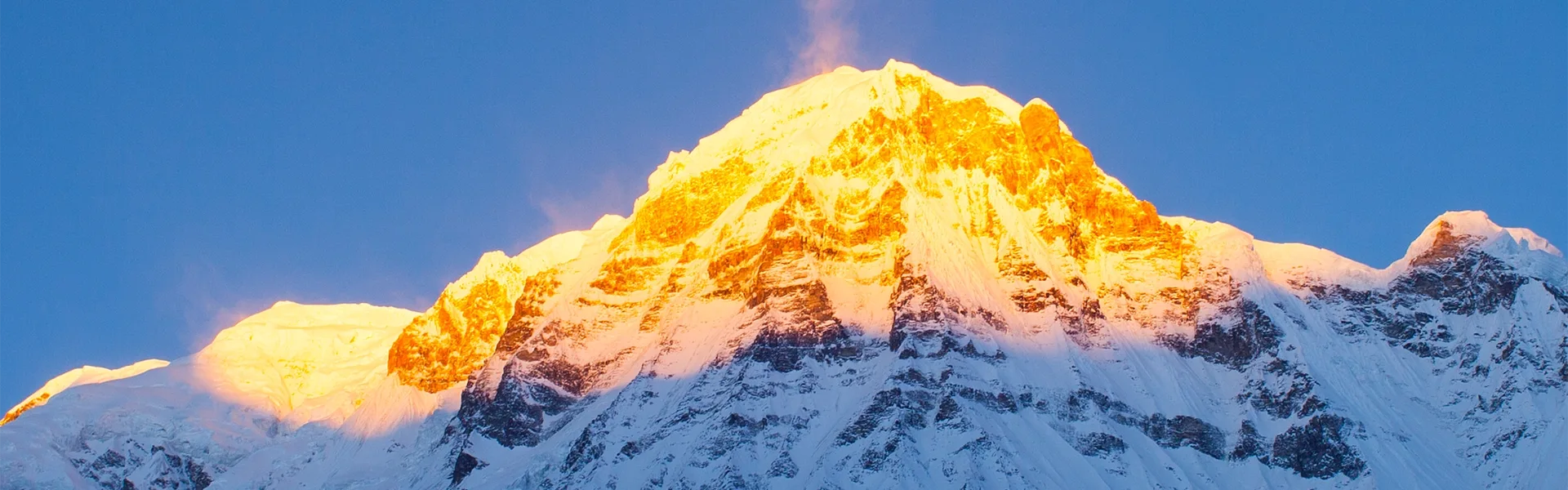
The Annapurna Base Camp Trek Difficulty status is a moderate Himalayan trek, rather than a technical mountaineering expedition. The route reaches 4,130 metres (13,550 feet) at Annapurna Base Camp and involves several hours of walking on consecutive days, with stone staircases, uphill climbs, downhill sections and changing mountain conditions. You do not need ropes, climbing equipment or previous mountaineering experience, but you do need reasonable cardiovascular fitness, strong legs and the ability to walk for several hours a day. Current 2026 trekking sources consistently describe ABC as moderate, with the main challenges being sustained walking, stairs and altitude rather than technical climbing.
For the 10-day Annapurna Base Camp itinerary offered by Prime Holidays Nepal, the length of the journey gives trekkers time to progress through the Annapurna landscape rather than trying to reach the sanctuary too quickly. The exact daily effort depends on the route conditions, starting point, weather and pace of the group, but the important thing to understand is this: ABC is achievable for a reasonably fit first-time trekker when the trek is approached with proper preparation and sensible pacing. The trail is physically demanding in places, yet it remains a walking trek rather than a technical climbing route.
The word “moderate” can sometimes be misleading. It does not mean the Annapurna Base Camp Trek is an easy holiday where you stroll for an hour and spend the rest of the day taking photographs. Some days require several hours on your feet, and the accumulated effort can be more significant than any single climb.
The biggest physical challenge is often the combination of elevation gain, stone steps and repeated walking days. The route passes from lower-elevation villages and forests toward the high-altitude Annapurna Sanctuary, eventually reaching 4,130 metres. Current route assessments identify the stone staircases around Ulleri and the climb toward the sanctuary as particularly demanding sections.
If there is one thing that surprises first-time ABC trekkers, it is the number of stairs. The Annapurna region’s trails frequently use stone steps to connect villages and manage steep mountain terrain. The famous climb toward Ghorepani, for example, contains a substantial staircase section, while other parts of the route involve repeated ascents and descents.
That means your legs can feel the trek even when the distance on a map does not look dramatic. A five-hour walking day in the Himalayas is not necessarily equivalent to a five-hour walk on a flat urban road. You are dealing with uneven surfaces, elevation changes, steps and a backpack, often while your body is adapting to altitude.
This is why leg strength and walking endurance are more useful than simply being able to run fast. Training should prepare your body for climbing, descending and recovering repeatedly.
Altitude is another important part of the difficulty equation. Annapurna Base Camp stands at approximately 4,130 metres, placing trekkers well above the elevations experienced during the lower sections of the route.
The altitude does not automatically make ABC unsafe, but it does mean you should take the high section seriously. Your body has less available oxygen at higher elevations, and people respond differently to altitude. Even someone who is physically strong can experience symptoms of altitude sickness.
The sensible approach is simple: ascend gradually, listen to your body, stay hydrated, avoid rushing and tell your guide if you feel unwell. Fitness cannot completely prevent altitude-related illness, so preparation and responsible trekking practices matter just as much as physical training.
The beginning of a 10-day Annapurna Base Camp journey is generally less demanding from an altitude perspective. Travel toward the Annapurna region brings you closer to the trail, after which the landscape gradually changes from lower hills and settlements toward forests and mountain terrain.
The lower sections give you an opportunity to settle into your walking rhythm. Rather than treating the first trekking day as a race, use it to understand your pace, footwear, backpack and hydration needs.
This is also where preparation becomes obvious. Someone who has spent several weeks walking uphill before the trip will usually find it easier to establish a sustainable rhythm than someone who arrives without any conditioning.
The middle section is where the trek begins to feel properly Himalayan. Chhomrong is an important point on the ABC route, and from here the trail continues through forested terrain and settlements before entering the Modi Khola valley.
You will encounter more elevation changes and increasingly rugged surroundings as you move toward the sanctuary. Depending on the exact itinerary and trail conditions, sections around Sinuwa, Bamboo, Dovan and Deurali can involve sustained uphill walking.
The trick is not to fight the mountain. Walk slowly enough that you can continue for hours. A steady pace with short, sensible breaks is usually more useful than walking quickly and repeatedly stopping because you have exhausted yourself.
The approach to Annapurna Base Camp is the section most trekkers naturally focus on. The trail continues upward through the sanctuary toward Machhapuchhre Base Camp, followed by the final approach to ABC at 4,130 metres.
This is where altitude becomes more noticeable and where weather conditions can have a greater impact on the experience. The reward is the dramatic mountain amphitheatre surrounding the sanctuary, with Annapurna and other major Himalayan peaks dominating the landscape.
Reaching base camp is only half the story. The descent deserves just as much respect as the ascent. Going downhill for several hours can place significant stress on the knees and quadriceps, particularly after multiple days of trekking. Trekking poles can be useful here, especially on steep or slippery sections.
Yes, prepared beginners can complete the Annapurna Base Camp Trek. Previous Himalayan trekking experience is not an absolute requirement because ABC does not involve technical climbing, rope work or glacier travel under normal trekking conditions. What matters more is whether you can comfortably walk uphill and downhill for several hours and repeat that effort over multiple days.
The distinction between an unprepared beginner and a prepared beginner is important. Someone who rarely exercises and arrives expecting a leisurely walk may find the trek considerably harder than anticipated. Someone who has spent several weeks building walking endurance, strengthening their legs and practising on hills can approach the same itinerary with a much better physical foundation.
The route’s popularity partly comes from this accessibility. It provides an opportunity to experience a high Himalayan environment without requiring mountaineering skills. Current 2026 route guides similarly describe ABC as a moderate, non-technical trek suitable for reasonably fit newcomers.
You do not need to become an elite athlete before travelling to Nepal. Your training should simply reflect what your body will actually do on the trail.
A useful preparation period is around 4–8 weeks, particularly if you are starting from a relatively low fitness level. Current trekking guidance recommends combining cardiovascular exercise, leg strength and hill or stair walking rather than relying on only one form of exercise.
Walking is arguably the most practical training because it replicates the activity you will perform. Start with comfortable walks and gradually increase duration. Then introduce hills, stairs or inclined treadmill sessions.
Strength training can focus on movements such as:
You should also practise walking with the footwear and daypack you intend to use in Nepal. There is little value in becoming extremely fit in the gym if your shoes cause blisters after two days or your backpack becomes uncomfortable on a long uphill section.
Altitude is one of the reasons ABC should not be treated like an ordinary hiking holiday. The highest point is 4,130 metres, and the route involves sleeping at increasingly higher elevations as you approach the sanctuary.
Common altitude-sickness symptoms can include headache, nausea, dizziness, unusual tiredness and difficulty sleeping. Symptoms should never simply be ignored because you are determined to reach base camp.
A responsible trek involves monitoring how you feel and communicating with your guide. If symptoms become concerning, descending can be an important part of the response. Reaching Annapurna Base Camp is never more important than your health and safety.
This is another reason a sensible itinerary matters. A rushed schedule can put additional pressure on your body, while a properly paced itinerary gives you more opportunity to adjust as you climb.
Weather can change the character of the Annapurna Base Camp Trek considerably. Lower elevations can feel warm and humid, while temperatures near the sanctuary can be dramatically colder, particularly around early morning and overnight.
The trail also changes as you climb. You may begin among cultivated hillsides and forest before moving into increasingly alpine surroundings. Stone steps, dirt trails, rocks, bridges and potentially wet or slippery surfaces can all form part of the experience.
Season also matters. October–November and March–April are commonly identified among the strongest trekking periods, with generally favourable conditions and mountain visibility, although weather in the Himalayas can never be guaranteed.
For that reason, good equipment is not about looking like a professional mountaineer. It is about having practical layers, suitable footwear, rain protection, warm clothing and a comfortable daypack.
Difficulty is always relative because different trekkers struggle with different things. Someone may find long staircases harder than altitude, while another person may have the opposite experience.
| Trek | Approx. Highest Point | General Difficulty | Main Challenge |
| Ghorepani Poon Hill | 3,210 m | Moderate | Stairs and uphill walking |
| Annapurna Base Camp | 4,130 m | Moderate | Stairs, endurance and altitude |
| Everest Base Camp | 5,364 m | Moderate–Challenging | Higher altitude and longer duration |
| Annapurna Circuit | 5,416 m | Challenging | High pass and altitude |
| Manaslu Circuit | Around 5,160 m | Challenging | Remote terrain and high pass |
The important point is that ABC does not require technical mountaineering skills. Its challenge is predominantly physical and altitude-related. Current trekking comparisons place ABC below routes such as Everest Base Camp and high-pass circuits in terms of maximum altitude, although individual experiences naturally vary.
Preparation does not need to be complicated. Think of it as teaching your body what it is about to do.
Begin several weeks before departure with regular walking. Add hills or stairs progressively rather than suddenly completing an extremely long hike a few days before flying to Nepal. Your objective is to arrive with a body that is accustomed to repeated movement.
Your equipment should also be tested before the trip. Break in your trekking shoes, practise with your backpack and make sure your clothing system works in both warm and cold conditions.
Mental preparation matters too. There will probably be moments when the trail feels harder than expected. That is normal. Instead of thinking about the entire trek at once, focus on the next section, the next village or the next rest stop.
A Himalayan trek is not only about choosing a route; it is also about choosing how that route will be organised. Prime Holidays Nepal’s 10-day Annapurna Base Camp Trek provides a structured itinerary for travellers who want to experience the Annapurna Sanctuary within a defined travel schedule.
A local trekking company can also be valuable because conditions in the mountains are not static. Trail conditions, transportation, weather and local circumstances can change, and having an organised itinerary and local support helps reduce the logistical burden on trekkers.
For an ABC trek, the guide’s role extends beyond simply showing the direction. A good trekking professional helps manage pace, understand local conditions, communicate with accommodation providers and monitor trekkers throughout the journey.
Prime Holidays Nepal can be contacted through its official website for the current itinerary, inclusions, exclusions, departure arrangements and availability. Because trekking details and regulations can change, travellers should confirm the latest information directly before booking.
Yes. A reasonably fit and properly prepared beginner can complete the ABC Trek. You do not need previous mountaineering experience or technical climbing skills, but you should be comfortable with several hours of walking, uphill sections, stairs and consecutive trekking days.
The hardest section depends on the individual, but long stone staircases and the higher-altitude approach toward the sanctuary are commonly identified as major physical challenges. The descent can also be demanding because tired legs and repeated downhill steps place stress on the knees.
Annapurna Base Camp is approximately 4,130 metres (13,550 feet) above sea level. The altitude is significant enough that trekkers should ascend sensibly and pay attention to symptoms associated with altitude sickness.
No, previous trekking experience is not mandatory. The route is a non-technical walking trek under normal conditions, meaning you do not need ropes, mountaineering techniques or climbing equipment. Physical preparation and a sensible pace are more important for a first-time trekker.
Start training around 4–8 weeks before the trek with regular walking, uphill or stair training, cardiovascular exercise and leg-strengthening exercises. Gradually increase the duration rather than attempting one extremely difficult workout immediately before departure. Practising with your trekking shoes and daypack is also useful.
The Annapurna Base Camp Trek is moderately difficult, physically demanding but achievable for prepared trekkers. Its main challenges are not technical climbing or extreme mountaineering; they are the accumulated effects of long walking days, stone staircases, elevation gain, changing terrain and reaching 4,130 metres.
For a first Himalayan adventure, the appeal of ABC is the balance between challenge and accessibility. You can walk through forests, villages and mountain valleys before entering the spectacular Annapurna Sanctuary, without needing specialist climbing skills.
The best preparation is straightforward: build your walking endurance, strengthen your legs, use appropriate equipment, ascend at a sensible pace and communicate openly with your guide. If you prepare properly, the trail becomes less about wondering whether you can finish and more about appreciating where each step is taking you.
The 10-day Annapurna Base Camp Trek with Prime Holidays Nepal is designed for travellers who want to experience this Himalayan journey within a structured itinerary. Before booking, confirm the latest itinerary, inclusions, permits, transportation, accommodation and trekking arrangements directly with Prime Holidays Nepal.


