

Difficulty
Moderate

Duration
2-16

Duration
21 Days

Accommodation
Hotel,Teahouse

Best Time
Mar - May, Sep - Nov

Max Alt
5,535m (18,159ft)

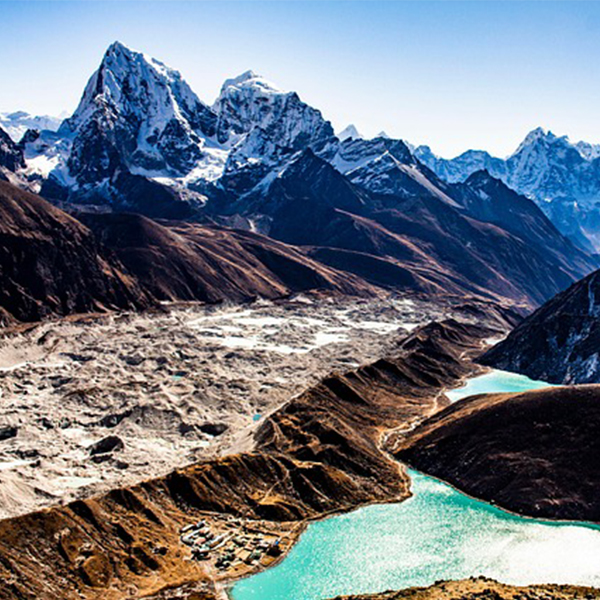
One of the most complete and challenging trekking experiences in Nepal is the Everest Three Passes Trek. This 21-day trekking adventure will take you to the very heart of the Everest region, passing through three high Himalayan passes and linking up famous locations such as Everest Base Camp, Kalapatthar, and the stunning Gokyo Lakes.
While other treks around Everest follow well-trodden paths, this route goes beyond these popular trails. It passes through valleys, mountain passes, and Sherpa villages. Every day is a new experience, and you will feel like you have accomplished something. For trekkers who want to experience the ultimate challenge of the Himalayas, the Everest Three Passes Trek is the best.
The Everest Three Passes Trek gets its name from three challenging passes that have to be crossed: Kongma La (5,535m), Cho La (5,420m) with Kalapatthar(5550 m), and Renjo La (5,360m). While these passes are challenging, they also offer breathtaking views of the mountains.
This trek combines some of the most famous Everest treks into one incredible adventure. You will trek to Everest Base Camp, climb to the top of Kala Patthar for sunrise views, and experience the breathtaking scenery of the Gokyo Valley, as well as trekking through some of the most remote areas of the Himalayas, areas that few tourists venture into. Along the way, snow-capped mountains, glacier valleys, and ancient monasteries add to the experience.
Because of its length and altitude, this trek is only recommended for experienced trekkers who want the full Everest region experience.
You are warmly received at Tribhuvan International Airport and transferred to your hotel in Kathmandu. The rest of the day is at leisure to relax after your long flight. Kathmandu is a blend of traditional temples and vibrant streets and active local markets. The meeting with your trek leader will take place in the evening to provide you with a short introduction to the Everest Three Passes Trek.
The second day will be dedicated to both cultural sightseeing and the final trek preparations. It will be possible to visit some UNESCO World Heritage Sites like Swayambhunath (Monkey Temple), Boudhanath Stupa, or Kathmandu Durbar Square.
These visits give insight into the spiritual and cultural background of Nepal. Later on, a detailed briefing on the trek is given and a check on the gears is done to find out that all gears are in order and suitable for a high-altitude trek.
A scenic flight early in the morning will take you to Lukla, where you will have a spectacular view of the Himalayas. After landing, your trekking adventure begins. The trek from Lukla to Phakding is short and easy, which makes it suitable for the first day.
The Dudh Koshi River trail passes through mani walls, prayer wheels and Sherpa villages. The trekking time to Phakding takes approximately 3 to 4 hours.
The hike today will cross multiple suspension bridges which include the famous Hillary Suspension Bridge. The trail starts its continuous ascent through pine forests after entering Sagarmatha National Park. The final climb to Namche Bazaar leads to a steep path which provides an exceptional view as its final reward. The area has large settlement which offers stunning panoramic vistas. The walking time is approximately 6 to 7 hours.
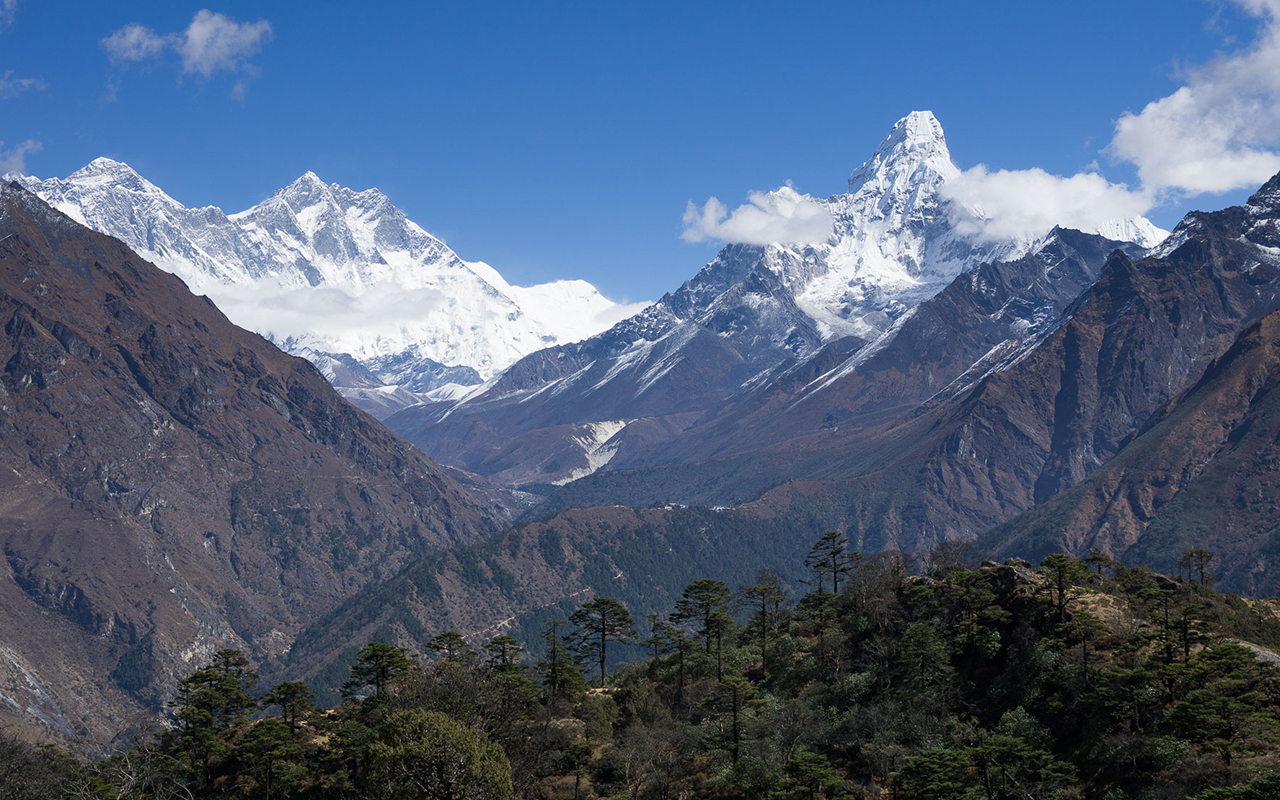
The day will be spent in acclimatizing to the high altitude. A brief trek from Namche leads to either the Everest View Hotel or Khumjung village, which provides an excellent view of Everest and Lhotse and Ama Dablam. The afternoon can be spent exploring the markets, bakeries, and museums of Namche. Acclimatization in this region is critical for the Everest Three Passes Trek.
The route provides spectacular views of the mountains while traversing above the Dudh Koshi River. From Phunki Tenga, the trail ascends steadily through rhododendron forests to reach Tengboche. The famous monastery at Tengboche is the spiritual center of the Khumbu region. The walking time from here will be about 5 to 6 hours.
The trek goes through alpine terrain, and there are magnificent views of the mountains. After crossing a river named Imja Khola, there is a gradual ascent to Dingboche. Fields are fenced with stones to protect them from strong winds. It takes around 5 to 6 hours to reach there.
A second day of acclimatization helps your body get used to the altitude. Day hikes to the ridges offer great views of Island Peak, Lhotse, and Ama Dablam. The rest of the day will be used for rest and hydration, which is essential for a successful high pass crossing.
One of the most difficult days on the trek. The climb up to Kongma La Pass is a long and strenuous one. At the pass, trekkers can enjoy breathtaking views of the glaciers and peaks. The descent takes trekkers to Lobuche. The walking hours take between 8 to 9 hours.
The path runs along the Khumbu Glacier to Gorak Shep. The trek to Everest Base Camp begins after a short break. The path runs through ice sculptures and glacial moraines. Reaching Everest Base Camp is a highlight of the Everest Three Passes Trek. The total walking time is about 7-8 hours.
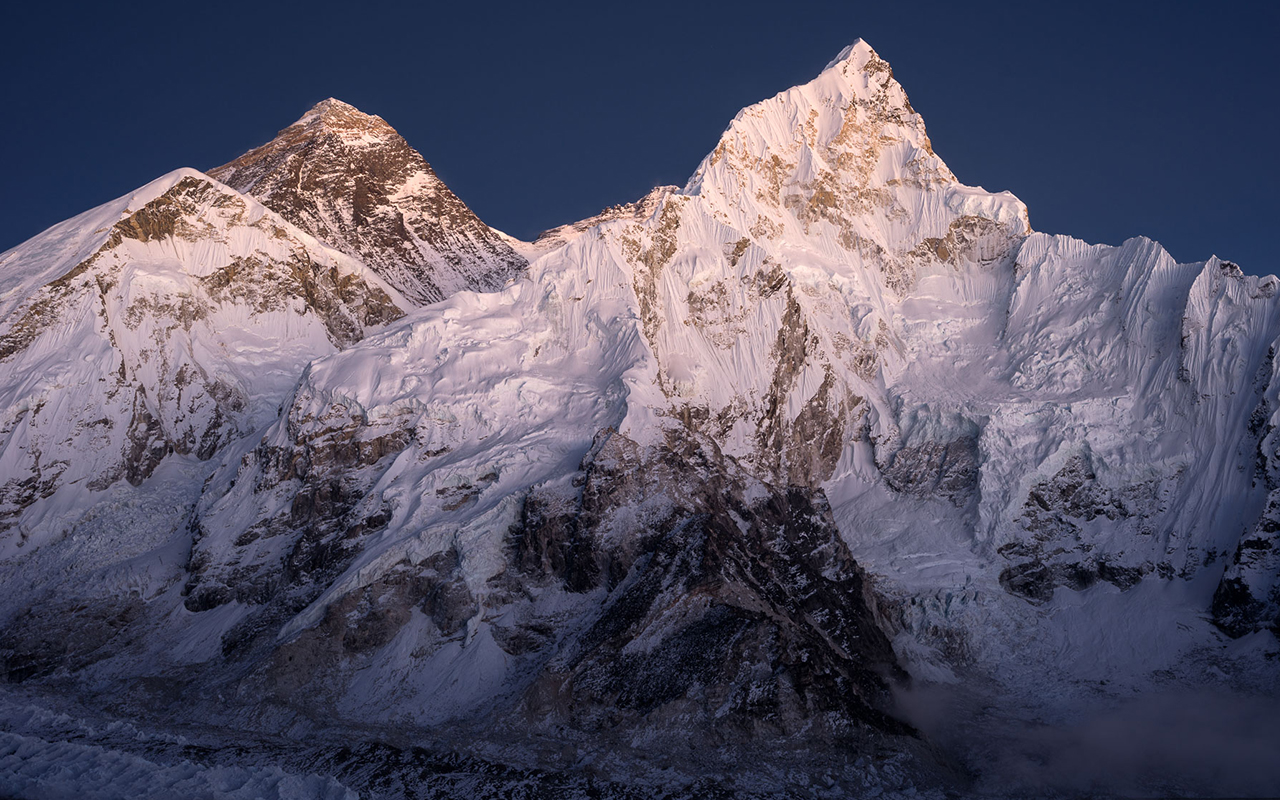
The best close-up views of Mount Everest from Kala Patthar are possible if the early morning climb is set about. After having breakfast at Gorak Shep, the trek continues back to Lobuche. The trek takes around 6-7 hours.
Today’s trek is relatively short and less demanding. The route traverses a lateral moraine with magnificent views of Cholatse and Taboche peaks. Dzongla is a peaceful village which people use as a resting place before they proceed to their next mountain pass. The trekking time is about 4 to 5 hours.
The route from Dzongla to Gokyo starts at 4790 meters and leads through the Cho La Pass which has an elevation of 5420 meters. The Cho La Pass ascent requires climbers to navigate a steep uphill path that becomes treacherous because of its icy conditions throughout the entire cold season which requires microspike traction. The route from the pass leads to the stunning Gokyo Valley and requires approximately 7 to 8 hours of trekking time.
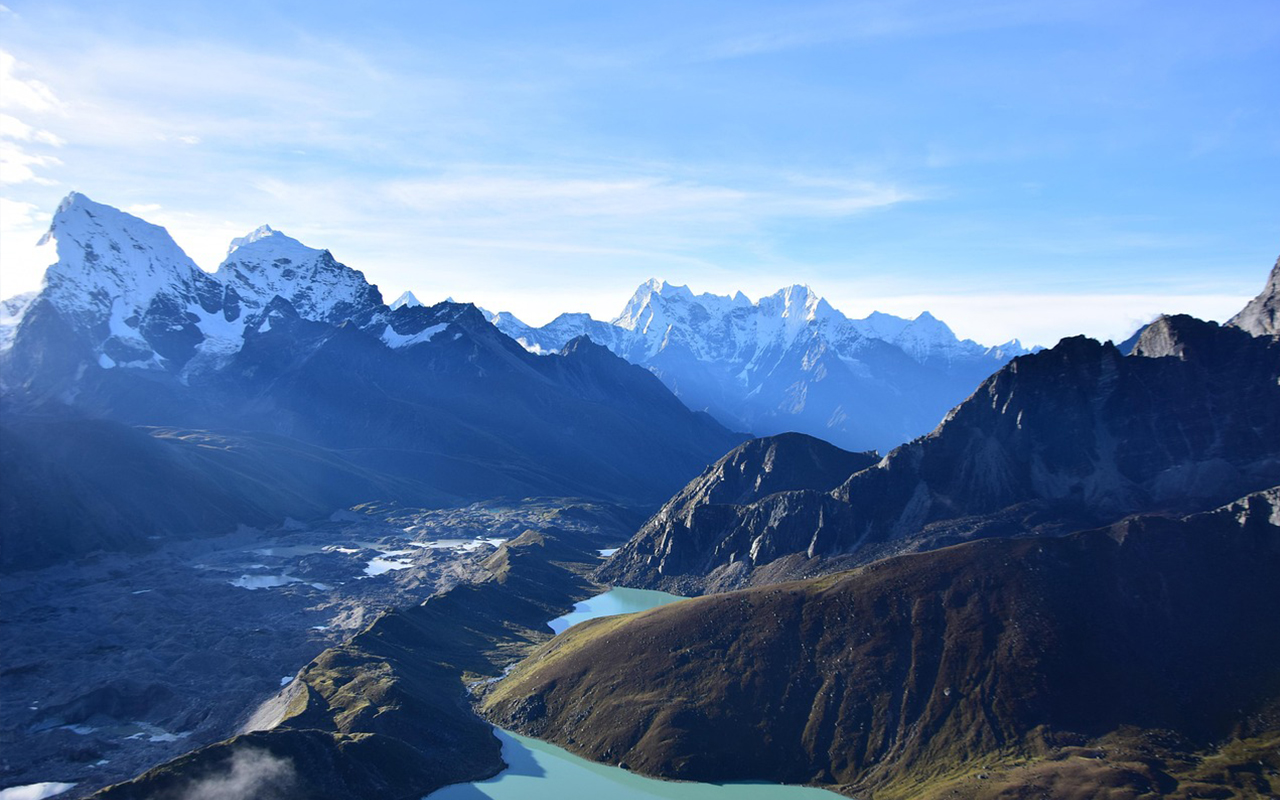
The rest day at Gokyo involves a trek to Gokyo Ri. The summit provides visitors with breathtaking views of Everest, Lhotse, Makalu and Cho Oyu. The afternoon is spent exploring the Gokyo Lakes or taking a rest.
Renjo La is considered the most scenic of the three passes. The ascent is steady, not as technical as the ascent over Cho La. From the top, the view of the Gokyo Lakes is spectacular. The descent brings you to Marlung in a more peaceful valley called the Bhote Koshi Valley. The walking distance needs 7 to 8 hours for completion.
The path moves downwards through Sherpa villages and forested areas. The main Everest trail starts from Namche Bazaar after you travel through Thame and the surrounding villages. The trekking time is around 6 to 7 hours.
The last trekking day requires pilgrims to walk beside the Dudh Koshi River until they reach Lukla. The trail requires hikers to ascend and descend multiple times throughout their journey. Reaching Lukla means the completion of the Everest Three Passes Trek. The duration of the trek is 6 to 7 hours.
You will fly from Lukla to Kathmandu on an early morning flight. The remaining day of your trek will be free to relax, take a hot shower, or explore the city.
The schedule includes free time for visitors to explore the city and take part in optional tours which include Bhaktapur and Patan cultural experience. The schedule includes buffer time which will protect against potential flight delays from Lukla.
So, this trek to the 3 pass of Everest ends with your final departure from Kathmandu. You depart from Nepal with memories of your adventure trek to the mountains.

Note:
If you have a private group and prefer a personalized experience, we can organize a custom trip tailored to your requirements and group size, running it any day you choose.
To undertake the Everest Three Passes Trek, trekkers need to obtain the required permits. These permits are essential and also contribute to the conservation and locals there.
Required permits:
Both permits are checked at intervals on the trail. Prime Holiday Travel and Tours arranges all the permits in advance, which means the trekker can focus on the journey without any administrative worries.
Unlike other Everest treks that are shorter in duration, the Everest Three Passes Trek links all the major attractions in the Everest region into a single experience. The trek traverses through the Kongma La Pass, the Cho La Pass, and the Renjo La Pass, all of which are above 5,000 meters. These high mountain passes connect the Everest Base Camp trek with the beautiful Gokyo Valley and other less visited areas of the Khumbu region.
This trek provides the opportunity to see Everest from different aspects, to trek through both popular and remote trails, and to experience the great variety of landscapes that the Everest region has to offer. You will pass through forests, meadows, glacial moraines, and high mountain deserts all in one trek.
Everest Three Passes Trek is a strenuous trek. It includes many days above 5,000 meters and longer hours of walking. Weather can change quickly, and snow and ice are very common on some passes. However, it is not recommended for beginners. For those prepared to tackle it, it can be a very rewarding experience.
Altitude is a major challenge that trekkers face on the Everest Three Passes Trek route. The trekkers have to spend a number of nights at altitudes that surpass 4,500 meters. The height of the passes exceeds 5000 meters. Altitude sickness is a factor that should never be ignored.
There are proper acclimatization days scheduled at Namche Bazaar and Dingboche, which help the body acclimatize properly. Trekking at a slow and steady pace, drinking plenty of water, and listening to the guide are all vital for a safe trek.
The most common symptoms experienced in cases of altitude sickness include headaches, nausea, dizziness, and lack of appetite. However, guides are trained to recognize health conditions on a daily basis and take action in case of any symptoms. In some cases of altitude sickness, the most effective action is to descend.
The best seasons to visit are spring (April-May) and autumn (October-November). The weather is stable during these times, and the sky is clear with good visibility. The other seasons are not good due to the snow on the passes during the winter and the monsoon in the summer.
Accommodation during the trek is in local teahouses. The rooms are simple but comfortable. The food available is rice, noodles, soups, potatoes, and Tibetan bread. At higher elevations, the food available is limited, however, hot meals are always available.
The route provides drinking water through two options which include purchasing boiled water from teahouses and using water purification tablets or filters. The Everest region prohibits plastic bottle usage because of environmental concerns.
The teahouses offer basic hygiene facilities to their guests but they only provide limited access to hot showers at high altitudes. The use of wet wipes together with other personal hygiene products is necessary. The first aid kit needs to include personal medication for extended trekking periods.
The trek demands trekkers to have both fitness levels and previous trekking experience. The activities of training, hikes and cardio exercises provide meaningful benefits. The training needs to include running exercises and weightlifting exercises and activities that build endurance. The trek requires travelers to bring multiple layers of clothing and appropriate boots and sufficient warm clothing.
The packing list should include essential clothing items together with proper trekking boots and a sleeping bag that provides warmth and microspikes needed for crossing icy pass. Travel insurance must be arranged that includes trekking above 6,000 meters. Hydration is essential during the entire trekking journey.
The team will consist of guides and porters who will provide trekking support. The Everest Three Passes Trek requires trekkers to hire a licensed guide because the trek consists of extended distances and high-altitude and technical climbing sections. Guides help to provide a better trekking experience.
They assist in carrying heavy luggage, which allows trekkers to trek comfortably. Trekking with porters also has a positive effect on the local economy, apart from providing safety for the trekkers.
Prime Holiday Travel and Tours ensures that guides and support staff are available to make the trek smooth and well-organized.
Prime Holiday Travel and Tours focuses on three main elements which include safety and knowledgeable guides and their planned travel routes. The team’s local expertise will handle all aspects of your visit which includes proper acclimatization and complete enjoyment of the experience.
The cell phone network is available in most of the villages including Namche Bazar and Dingboche, but due to some dead zones, the signal is weak in a few places. Wi-Fi is available in some teahouses for an extra charge, especially in larger settlements.
The teahouses provide charging stations to customers who are willing to pay an extra fee. People should bring power banks because they need power during the peak times when electricity becomes scarce.
The Everest Three Passes Trek is best suited for trekkers who have experience trekking at high altitudes and have sound physical health. The trekking route is most suitable for adventurous people who want to trek for extended periods and tackle challenging paths.
Difficulty
Moderate
Group Size
2-16
Duration
21 Days
Accommodation
Hotel,Teahouse
Best Time
Mar - May, Sep - Nov
Max Alt
5,535m (18,159ft)

21 Days Everest Three Passes Trek | Complete Guide route map