

Difficulty
Moderate

Duration
2-16

Duration
12 Days

Accommodation
Comfortable 3-star hotels

Best Time
Mar - May, Sep - Nov

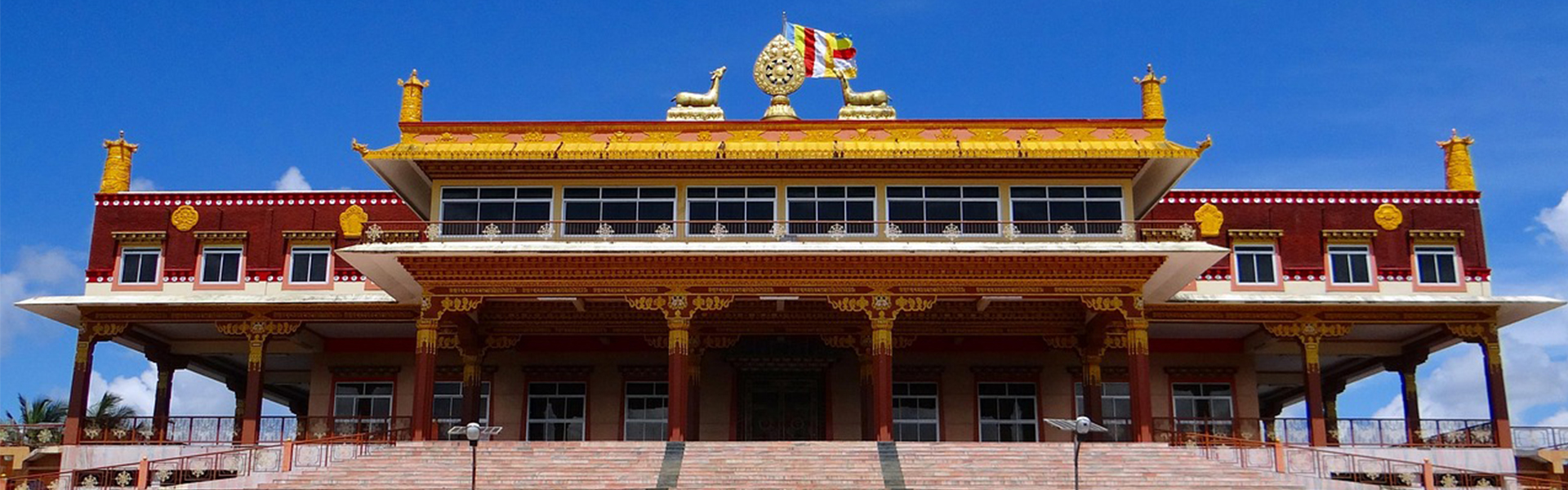
A trip to Nepal and Tibet gives you a unique peek into two mountain worlds, close on the map but different in spirit. Over 12 days, you’ll move from ancient Nepali towns and wild scenery into high Tibetan plains rich with quiet faith. Instead of ticking off landmarks fast, this route suits those chasing real moments not just photos. Culture lovers, history fans, and slow explorers will feel right at home.
Nepal shows off its alive traditions. Old temples stand near crowded bazaars while royal castles from centuries ago keep influencing daily routines across Kathmandu Valley. Over in Pokhara, things get quieter. Towering snowy mountains loom over peaceful waters where the Annapurna seem almost within reach. After that, you head into Tibet, endless sky-high plateaus meet ancient temples and holy spots dotting the terrain. Lhasa, long off-limits to many visitors, now shows deep-rooted Buddhist customs passed down through generations.
This trip to Nepal and Tibet suits those wanting real experience without rush. It’s planned just right, gives you understanding but also time to take things in slowly. Starting from old spots in Kathmandu, moving through dawn scenes over Pokhara, then reaching quiet temples in Lhasa, each part adds up to a clearer picture of life and land across the high mountains.
This Nepal Tibet trip mixes ease, real culture, and a steady rhythm. With space to soak in every spot, you’ll engage with customs while easing into higher elevations. Perfect for those wanting a mindful adventure through mountains, ideas, and everyday moments.
Kathmandu Valley: Nepal’s Cultural Core
Kathmandu Valley holds three old cities along with seven spots listed by UNESCO. For many years, it’s been a hub for culture, faith, and business. Next to each other stand Hindu shrines and Buddhist monuments, showing how deep spirituality runs here.
The valley’s Durbar Squares highlight Newari design with intricate details, whereas elevated sites such as Swayambhunath give panoramas over town along with glimpses into Buddhist meaning. Kathmandu isn’t some preserved exhibit. Instead, it bustles, loud, vivid, alive with strong ties to old ways.
Pokhara: Mountains, Lakes, and Open Space
Pokhara feels different, slower, quieter. Sitting next to Phewa Lake, backed by the Annapurna, it’s loved for how peaceful it seems. You get wide skies, clean breezes, plus a real sense of being near the peaks.
Far from Kathmandu’s crowded lanes, Pokhara opens up. Mornings stand out so do evenings with peaks mirrored in the water while you stroll by the lake.
Lhasa: The Spiritual Heart of Tibet
Lhasa perches way up on the Tibetan Plateau, its heart has always beaten with Tibetan Buddhist life. Monasteries shape the place, along with paths pilgrims walk and old palaces standing tall, each telling bits of Tibet’s spiritual and power-driven past.
Even with new changes, people still follow old faith routines. Visitors walk around holy spots every day, while monks argue about deep ideas in temple yards. Prayer cloths wave on roofs in the wind. In Lhasa, you can see a way of life built on belief and strength.
Destinations: Kathmandu, Pokhara, Lhasa
Duration: 12 Days / 11 Nights
Tour Style: Cultural, heritage, scenic
Accommodation: Comfortable 3-star hotels
Best For: Cultural travelers, first-time Nepal Tibet visitors, small groups
Cultural and Spiritual Context of the Nepal & Tibet Journey
What grabs attention on an Explore Nepal & Tibet Tour is the way it pulls you into tradition, also belief. Connections happen naturally, without force or flash. Even though both places follow Buddhism, their history shapes how people live their beliefs each day, quite differently in many cases. Instead of just seeing temples, you notice small habits, local rituals, or quiet moments at monasteries. Because customs evolved apart, even similar practices carry unique flavors across the border. So while one village chants at sunrise, another might focus on prayer wheels turning through morning light.
In Nepal, Hinduism and Buddhism coexist naturally. Temples fit right into how people live every day. Festivals roll out onto sidewalks, while rituals show up in regular moments. Just walking through Kathmandu might bring you by a Hindu altar, then a Buddhist stupa, followed by a local monastery, all quick, one after another. That combination creates a genuine vibe, not something artificial.
Tibet shows a quieter side of Buddhism, focused on monasteries, stillness, or deep thinking. Life often moves with prayer wheels spinning, voices chanting, or pilgrims walking familiar paths. Step into Jokhang Temple, watch monks argue scripture at Sera, yet you’ll see faith shaping how people learn, act, or live together.
Seeing both areas in a single trip helps visitors grasp their common origins along with unique spiritual paths. At the same time, it shows how terrain, past events, or shifting power shapes faith expressions.
Stays are set up in cozy 3-star places picked by how clean they are and where they’re located. Travel on this trip uses private cars picked based on how many people are going. That way, you get more freedom, a relaxed ride, also door-to-door service with no extra delays.
Key transport components include:
Flights from Kathmandu to Lhasa depend on weather conditions, also, schedules must line up, prices usually come as a separate cost.
You land at Tribhuvan International Airport, your guide meets you there, helping move things smoothly to the hotel. Once checked in, time opens up however you like it. Maybe unwind from the flight, or wander close by instead, see how Kathmandu hums with energy right off arrival. Overnight in hotel in Kathmandu.
An early morning flight over Everest can be booked if you like. For around sixty minutes, you’ll get a clear look at the tallest peak and other high mountains nearby, perfect when you’d rather skip the hike but still want the view.
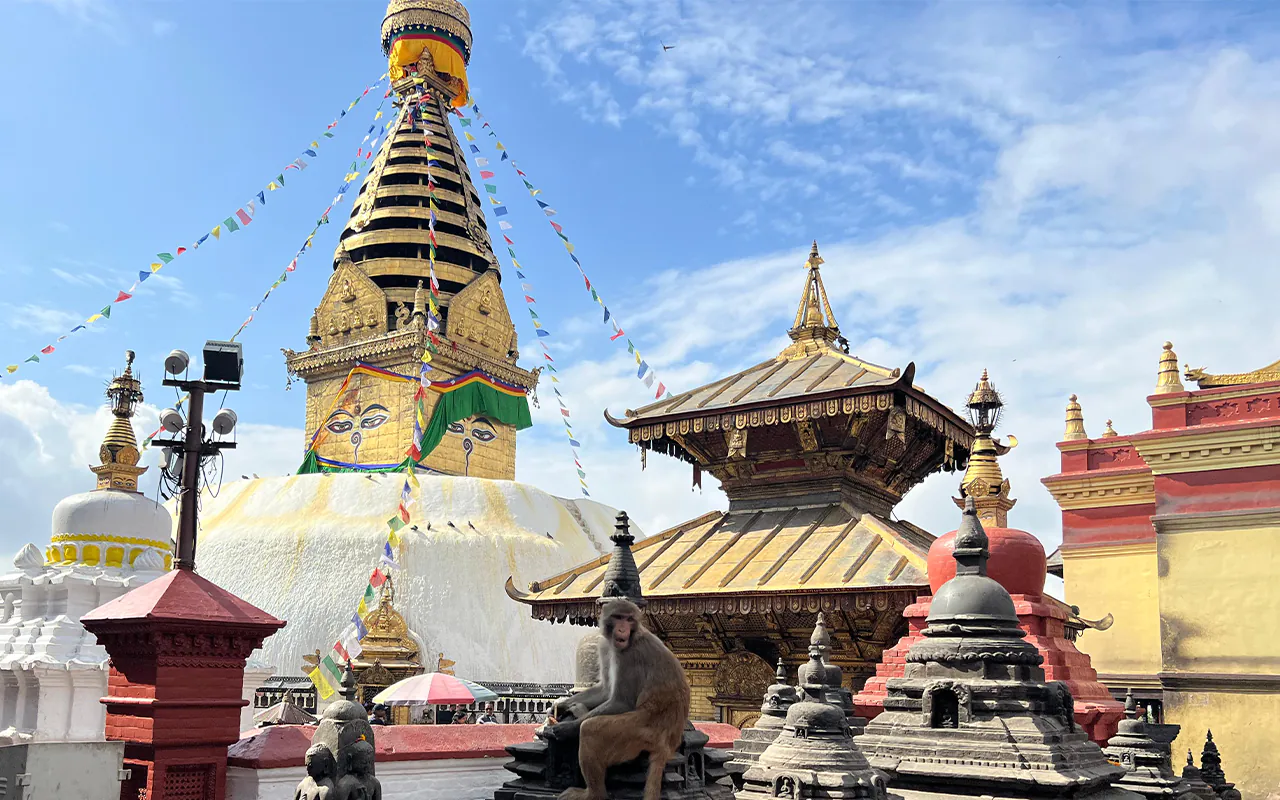
Later, start a full-day tour through Kathmandu’s key historic spots with a guide leading the way. On a hilltop above the valley stands Swayambhunath Stupa, great sights come together with strong spiritual meaning here. Over at Kathmandu Durbar Square, discover the area’s royal history where old temples and palaces showcase generations of local artistry.
At Pashupatinath Temple, people perform age-old Hindu rites by the Bagmati River, see how faith shapes daily life here. As evening comes, head to Boudhanath Stupa, a massive Buddhist monument where monks and pilgrims meet often. This stupa ranks among the biggest on Earth. Spend night in Kathmandu.
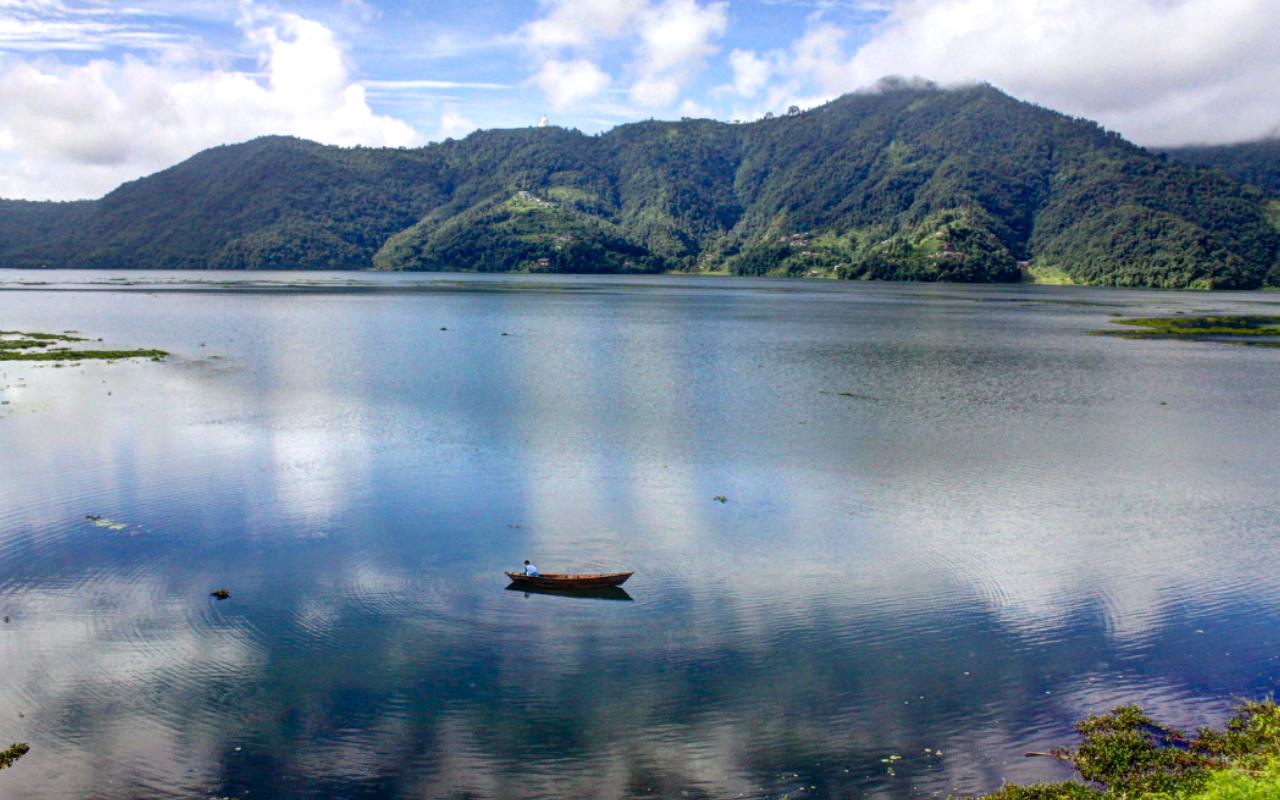
Now you head to Pokhara by road. The route winds past streams, green slopes, along quiet country towns, giving a real taste of local life. Once there, take a calm rowboat out on Fewa Lake, if skies are clear, you’ll spot Fishtail Mountain mirrored in the water. Later that day, walk around the lakefront your own way. Your accommodation will be booked in Pokhara.
First off, head out to Sarangkot at dawn to catch the sun rising above Annapurna and Dhaulagiri. When daylight starts creeping over the mountains, you’ll begin seeing everything unfold bit by bit.
Later on, you check out Pokhara’s main spots. At Davis Falls, water rushes down hard then vanishes into the ground below. Inside Gupteshwor Mahadev Cave, rock shapes meet spiritual meaning. Instead of that, Mahendra Cave amazes with layered stone patterns formed over time. Meanwhile, the Seti River Gorge reveals a narrow cut carved straight through urban areas by constant flow. You stay overnight in Pokhara.
You head back to Kathmandu, seeing old views in a new light. Once you’ve settled at the hotel, time opens up, use it to wander around Thamel. As night comes, dig into classic Nepali food while dancers show off local rhythms and moves. Sleep again in Kathmandu.
You’ll catch a flight from Kathmandu straight to Lhasa, snowy peaks pop into view mid-air. Once down at Gonggar Airport, get into a vehicle headed for Lhasa city. Time after that’s kept free just to chill and let your system sync up with the height. Going slow right now actually makes it easier on your body as it gets used to thinner air. Overnight in Lhasa.
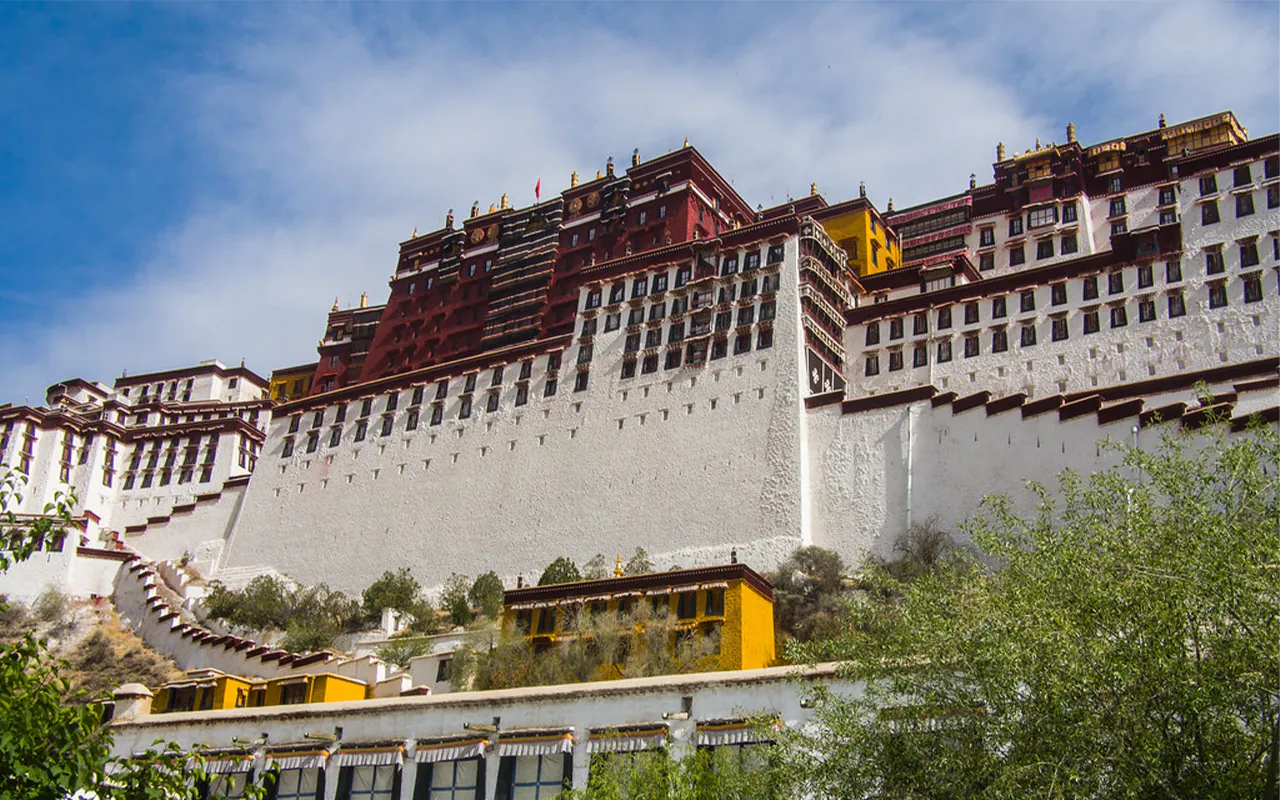
In just a couple of days, travelers check out Lhasa’s key spots tied to culture and faith. Rising above everything, the Potala Palace gives a clear look at how religion and power shaped Tibet. Meanwhile, Jokhang Temple stays central to local beliefs, with devotees circling it through Barkhor Street.
You can check out Drepung Monastery, which used to be among the biggest religious spots on Earth, while Sera Monastery stands out thanks to energetic debate sessions by monks. Instead of crowded areas, Norbulingka Palace, once the Dalai Lama’s summer getaway, offers calm vibes with green lawns and room to breathe. You’ll be sleeping in Lhasa each night.
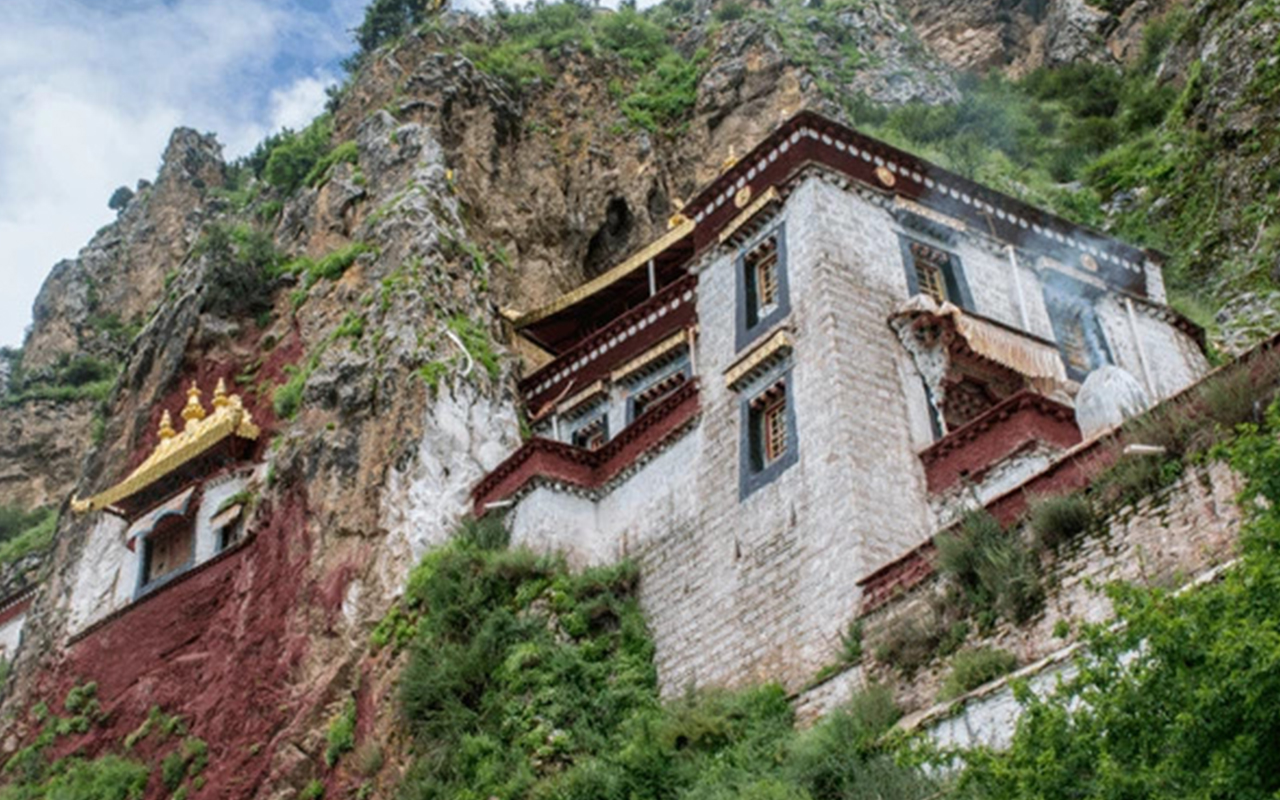
Today’s trip heads out past the city limits. Perched along a ridge, Ganden Monastery gives sweeping sightlines across nearby peaks. This place means a lot in Tibetan Buddhist tradition. Drak Yerpa Cave used to shelter monks seeking solitude for their spiritual practice. Once you’ve checked out these spots, it’s back to Lhasa before dark.
You head back to Kathmandu by air. After that, you’ve got hours to chill out, browse shops, or do something extra if you feel like it. Use this stretch to check out spots you loved again or just unwind ahead before heading home. You’ll be staying in Kathmandu for the night.
You check out Patan and then head to Bhaktapur, both are top medieval spots in Nepal. The square in Patanis full of old temples, royal yards, or intricate art from way back. Bhaktapur gives a clear look at old Newari culture, think red-brick lanes, timeless courtyards, maybe centuries-old homes. As night falls, dig into a goodbye meal while local tunes play and dancers move to the rhythm. Sleep again in Kathmandu.
Once you’ve eaten, we’ll head to the airport for your next flight. You’ll leave with moments from Nepal and Tibet – views, people, quiet rituals, all tucked in your mind.

Note:
If you have a private group and prefer a personalized experience, we can organize a custom trip tailored to your requirements and group size, running it any day you choose.
This trip feels different since it’s about going deep instead of moving fast. Rather than hurrying between spots, you get room to soak up every place. You’ll see Nepal along with Tibet as real, breathing cultures, more than just photo stops.
Tour Cost and Group Pricing
The cost depends on how many people join, since transportation and guides are split among everyone. That way, prices stay fair without cutting corners.
Tour Cost (Per Person, 3-Star Hotels, Double Sharing):
2–4 Pax: USD 1,495
5–7 Pax: USD 1,425
8–11 Pax: USD 1,350
11–15 Pax: USD 1,290
Larger teams save money each when they split travel tasks.
Who This Nepal Tibet Tour Is Best For
This trip works for lots of people, yet fits best with anyone wanting real culture instead of fancy resorts or wild thrills.
Great choice when you like:
– First-time visitors to Nepal and Tibet
– Culture fans or anyone who likes the past
– Travelers interested in Buddhism and Himalayan spirituality
– Couples or small teams
– Mature travelers looking for a relaxed travel plan that’s just right
The journey isn’t ideal for people looking for nightlife, luxury hotels, or extreme adventure. It’s more about mindful exploration, steady movement without hurry or overspending.
Responsible and Respectful Travel
When you move around Nepal or Tibet, keep in mind that honoring traditions and nature matters. Dress simply near temples, locals appreciate it. Listen to your guide’s tips about how to act or when to snap photos.
Backing small shops, craft makers, or locals gives a real boost to places you explore. This journey highlights gentle interactions while exploring customs, one helps sustain heritage, making moments feel real instead of staged.
Why This Tour Works as a Complete Himalayan Experience
This Explore Nepal & Tibet Trip stands out because it keeps a steady pace, never too fast, never dragging. Instead of hurrying past places or sticking around too long, it moves just right. Every stop adds something real: Kathmandu brings history, Pokhara shows off landscapes, while Lhasa offers quiet reflection.
The slow climb from lowlands up toward Tibet helps you feel better physically while also getting used to new ways of living. Instead of rushing through busy streets, people start finding peace in stillness – swapping loud scenes for wide-open views. As towns fade behind, detailed shrines give way to endless horizons shaped by nature.
This trip to Nepal and also Tibet gives you a chance to really take in two amazing Himalayan areas. Moving at just the right speed, mixing culture with stunning views, it’s made for people who like to connect with where they go. Starting from old spots in Kathmandu all the way to peaceful temples in Lhasa, the experience sticks around well past the last day.
A trip through Nepal and Tibet isn’t about one place or scene. Instead, it grows from differences that link together somehow. You hear chimes near temples in Kathmandu, feel quiet when light breaks over Pokhara hills, watch faithful travelers moving toward Lhasa. Each piece fits into a larger path across high mountain trails.
This trip suits anyone who wants real understanding, genuine moments, besides a clear path through culture. It gives background, ease, also room to think turning discovery into something that sticks.
The tour price includes key things you’ll need for a hassle-free trip like transport, guides, meals here and there, lodging each night, plus entry to main spots along the way
These extras make things clear, so visitors can budget their extra costs without confusion.
Certain costs aren’t covered by the package fee, things like extras or add-ons might come at a separate charge
Knowing what’s not covered helps travelers plan their spending better, so they don’t get caught off guard later.
Difficulty
Moderate
Duration
2-16
Duration
12 Days
Accommodation
Comfortable 3-star hotels
Best Time
Mar - May, Sep - Nov
General
Many visitors cope just fine when they take time to get used to it and include breaks.
Yes. Tibet permits get sorted ahead via approved agents.
The trip includes some light walking around old temples and historic spots, nothing too tough. You won’t need to hike or push yourself hard at any point. A lot of people who aren’t super fit still get by just fine.
You won’t need past experience. The schedule includes days to adjust to Lhasa’s height – giving your body a chance to catch up.
A valid passport and a Tibet travel permit must be ready. They’re set up earlier using approved channels.
It’s better to have travel insurance. Make sure it includes emergency evacuations along with trips at high elevations.
Local guides who speak English come along in Nepal or Tibet, giving background on culture while helping with travel stuff.
Small changes might happen based on how many people or when you go. Or, tailor-made trips can be set up on their own.
Cozy 3-star places stay part of the trip because they’re well-placed and trustworthy.
Yes. You’ll find veggie meals pretty much everywhere in Nepal, also easy to set up in Tibet.
Right. You can tag along on group trips or sort out a solo setup if you prefer.
Nepalese Rupees work in Nepal, whereas Tibet uses Chinese Yuan. On the flip side, guides can help if you’ve got cash questions.
 Food and Drinks
Food shifts from place to place, driven by local habits. Over in Nepal, expect bowls of rice paired with lentil stew, fresh veggies, or whatever’s in season. The flavors tend to stay gentle yet tasty, no heavy spice. Most places offer plenty of plant-based choices if that’s what you prefer.
In Pokhara or Kathmandu, you’ll spot global food without trouble, think European styles mixed with local Asian flavors. At the cultural dinner event, visitors get to try classic Nepali meals while watching folk shows from nearby areas.
In Tibet, food tends to be basic, shaped by the thin mountain air. Barley shows up a lot, along with noodles, veggies, or meat now and then. Each day starts with breakfast served automatically, but they let you pick lunch and dinner that suits your taste.
 Weather & Seasons
The top times to explore Nepal and Tibet is Spring, from March through May, also autumn, between September and November. During these periods, you’ll get steady conditions alongside sunny views instead of clouds. The air feels just right, not too hot, never freezing.
Spring means flowers opening up along with warmer days, whereas fall gives you fresh breezes plus clear skies. In Nepal, summer sometimes dumps heavy rain, but in Tibet, winter’s chill won’t stop most adventurers if they pack right for the freeze.
 Health & Safety
At high elevations in Tibet, your body might feel it as Lhasa sits pretty high up. So you’ll want to take things slow at first, letting yourself adjust matters most. That’s why we’ve included rest time immediately following your arrival to help you adapt to the change. Daily plans stay light on purpose, keeping demands gentle while you settle in.
Stay hydrated while traveling, skip tough activities at first, or tell your guide if something feels off. Lots of visitors adapt just fine by doing this.