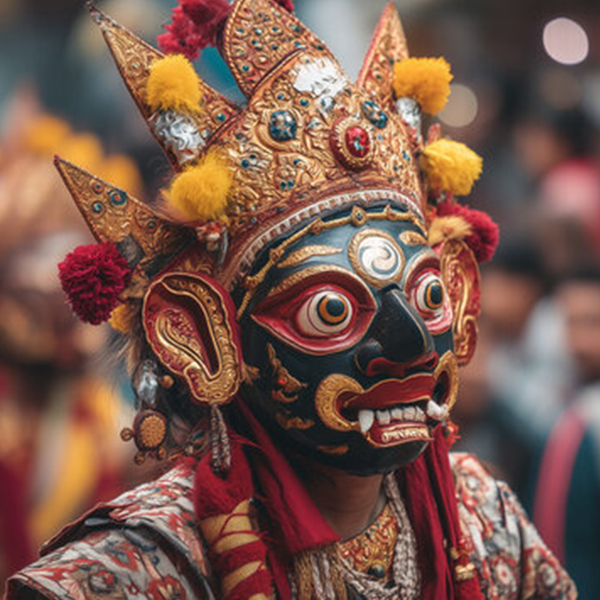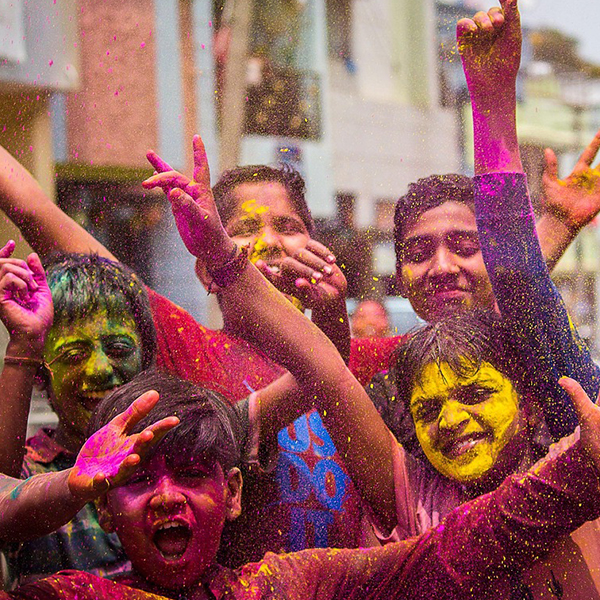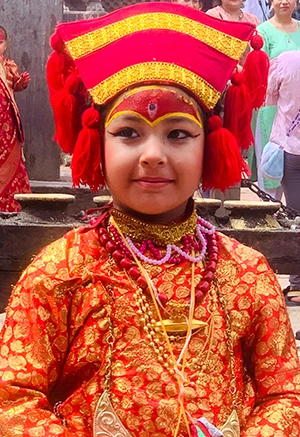
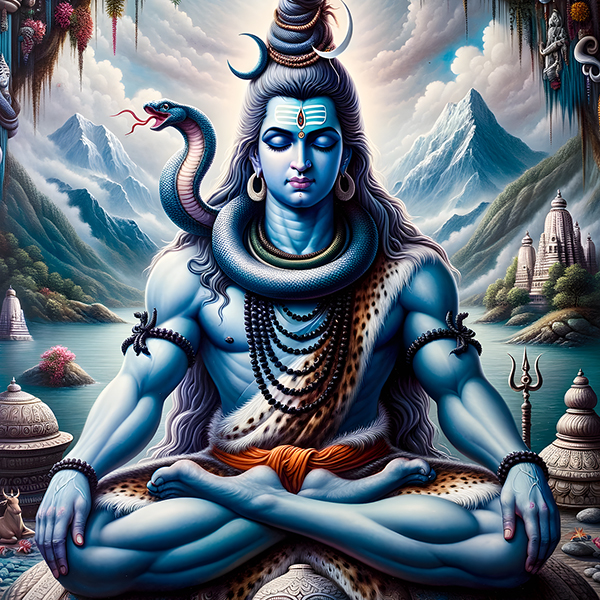
Maha Shivaratri ranks among Nepal’s biggest Hindu events. Every year brings waves of devoted visitors landing in Kathmandu to honor Lord Shiva. Rising at the center is Pashupatinath Temple, seen worldwide as one of the holiest sites linked to him.
Beneath a silver sky, people move toward Shivaratri’s stillness guided by Prime Holiday Travel and Tours. The journey unfolds in one breath, a day carved slow on purpose. Arrival feels gentle, unhurried, since presence grows where faith walks barefoot. Floating on morning light, prayers drift upward where quiet chants meet the air.
Instead of navigating crowds alone, guests move with support, guided gently through rituals and moments that matter. Pilgrims find peace here while culture seekers discover truth. Every detail fits together quietly, no hassle, just space to observe, reflect, stay grounded.
A ride in your own car comes with someone who knows the way well, entry without charge when the celebration hits full swing. What stands out most is how you come to understand the customs, the old ways, what Shivaratri truly carries through Nepal’s heart.
Why Maha Shivaratri feels different in Nepal?
Under starless skies, people honor Maha Shivaratri, called “The Great Night of Shiva” with quiet reverence throughout Nepal. Not far from riverside alleys, Pashupatinath Temple glows different that night. Belief holds Shiva appeared right there, long ago, which pulls thousands close. Pilgrims gather because something ancient feels awake.
Holy water flows over the stone of the Shiva lingam without pause. Chanting blends with silence between breaths. From distant villages, sadhus arrive barefoot, sadhus and ascetics from Nepal and India arrive at the temple complex. The air thickens with smoke and stillness. A presence settles unplanned, unannounced. At this moment, routines feel far away
This moment goes beyond ritual. In Nepal, Shivaratri pulses as both heritage and inner journey woven deep into how people live now.